

I went back to Le Château De Versailles after 31 years
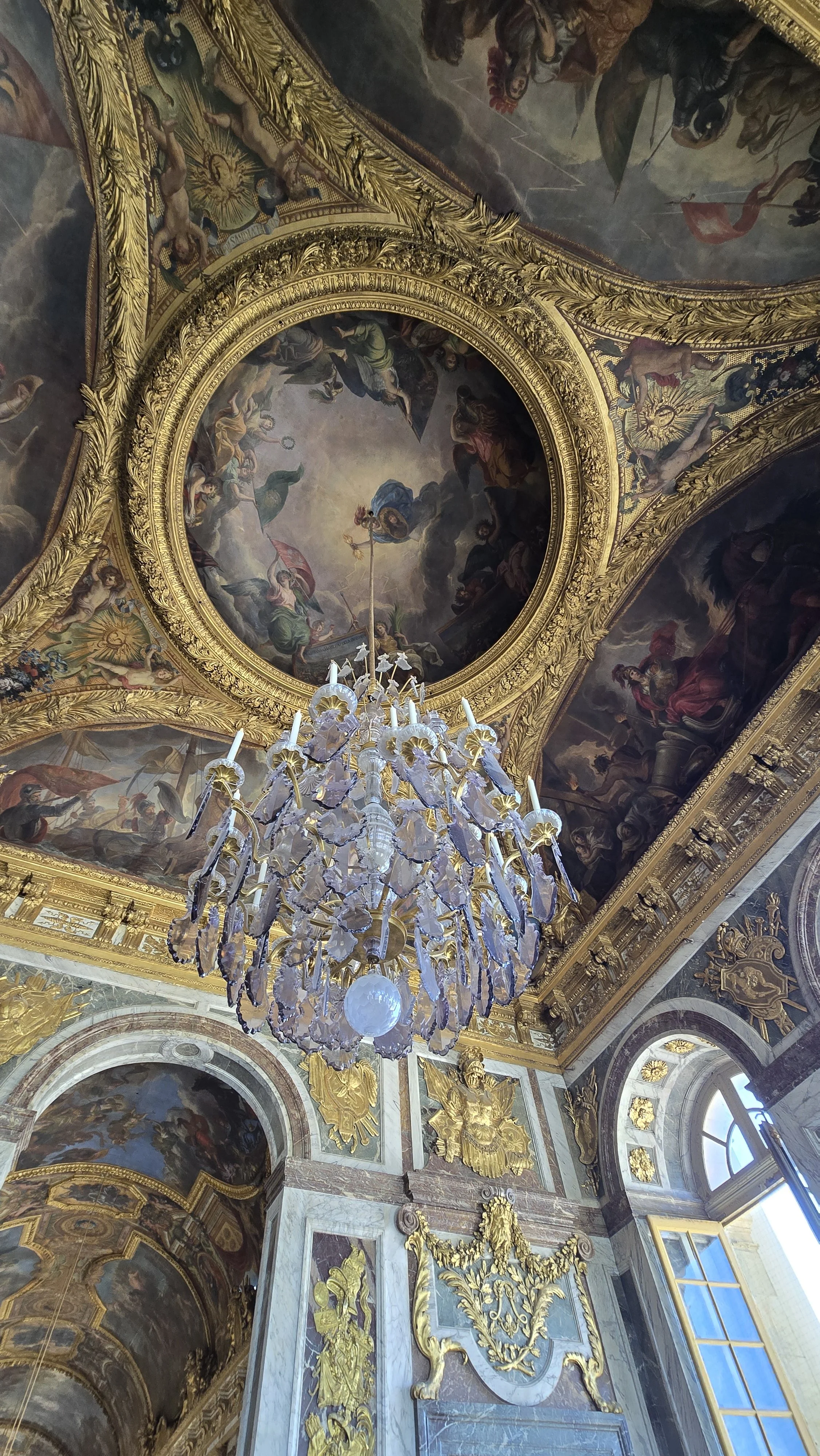
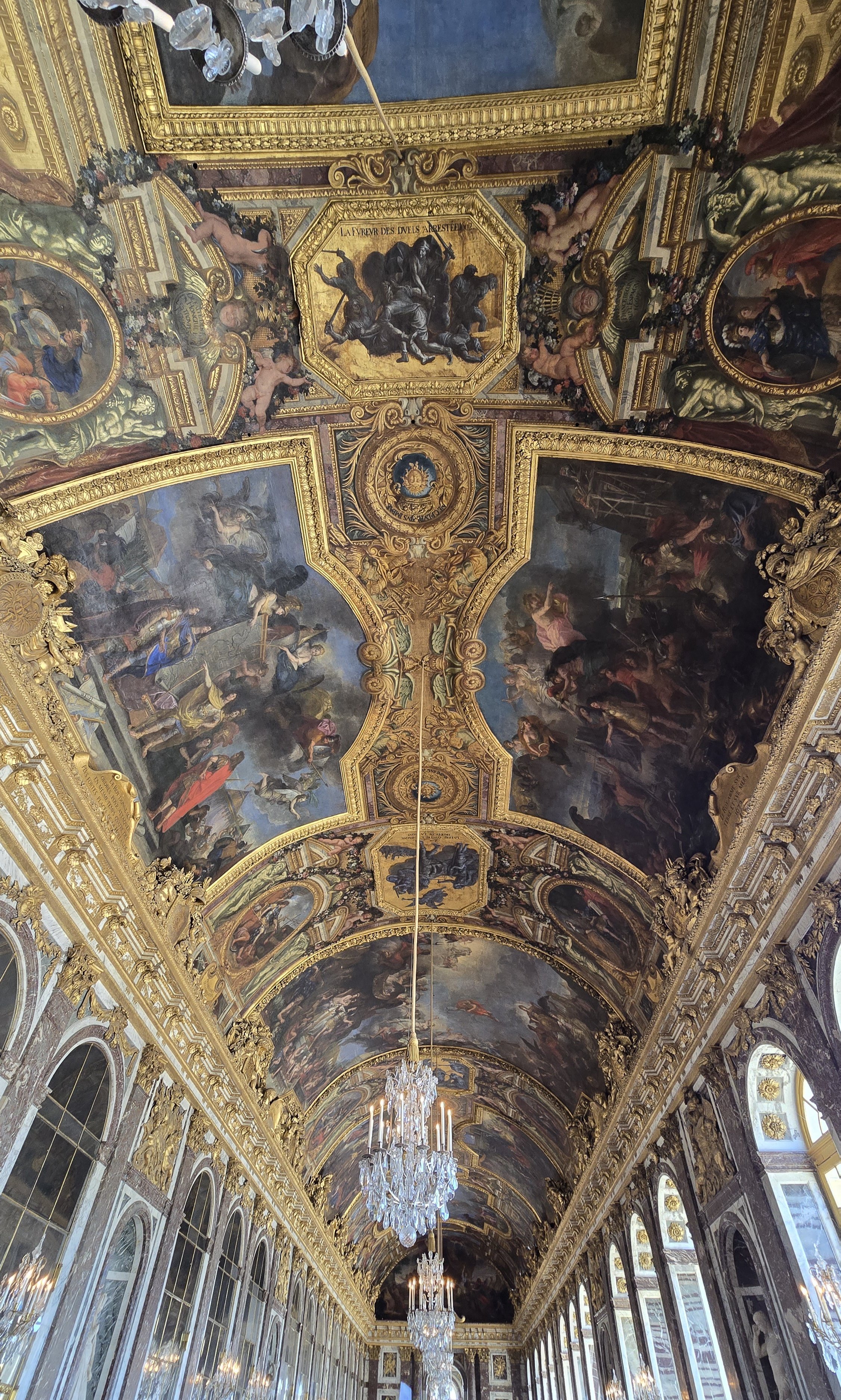
It seems like my Inner Child is talking a lot lately and I answer to her demands. Lately, little Lya was craving a visit to le Château de Versailles! I became obsessed with it. I told a bunch of my friends that it felt visceral for me to visit the castle. And I started to visualize my wonderful day over there. I imagined a warm, sunny day, with no cloud; sumptuous moldings… I don’t know why I was over focused on the moldings in my head? I envisioned gold leaves, grandiose details etc. because that was THE KING’s castle and nothing could be average.
But then I stopped daydreaming and had a few thoughts…
I already knew what motivated the King to build his castle: he was jealous of Vaux-Le-Vicomte castle, locked up Nicolas Fouquet, and hired the architect Louis Le Vau, painter Charles Le Brun, and landscape artist André Le Nôtre, and the same team to build the masterpiece that Versailles is.
But school didn’t teach us how the palace was funded, what were the working conditions, how many people lost their lives for that megalomaniac jewel and what was the impact of the château in on the population, the country.
Because today, we only remember the magnificence as today French people/ tourists and tend to forget the back story…
But here are a few facts:
Louis XIV was 22 years old when constructions began in 1661 and it took 50 years to complete the château. He enjoyed it for 54 years in total and lived there full time for 33 years. He spent 21 years visiting part-time as a getaway for hunting, lavish outdoor parties, romantic liaisons, and private retreats while construction raged around him.
At its peak, up to 36,000 workers (masons, carpenters, artists) and around 22,000 soldiers were drafted to clear swamps, divert rivers, and build but roughly
Versailles set off a competition across Europe. Monarchs built "mini-Versailles" copies—such as Schönbrunn in Vienna, Peterhof in St. Petersburg, and Sanssouci in Potsdam.
Stonemasons, carpenters, sculptors, and glassmakers were hired from all over France and Europe. They were organized into strict trade guilds.
Conscripted Soldiers: During times of peace, Louis XIV ordered tens of thousands of French soldiers (regiments de Cavalerie et d’Infanterie) to trade their muskets for shovels.
Peasant Labor (La Corvée): Local peasants were forced into unpaid statute labor under the feudal Corvée system, performing heavy manual work during the agricultural off-season.
Women and Children: Women and young boys were actively present on site. Children, some as young as 10 or 12, worked as apprentices, water-bearers, and mortar-mixers. Women were cooking, taking care of the laundry, selling food, carrying supplies etc.
Prisoners: Military prisoners of war, state convicts, and condemned criminals were used for penal forced labor on site.
The working conditions at Versailles were notoriously dangerous and squalid.
Workers didtry to complain and strike. In 1668 and 1678, laborers organized protests over wage delays and deadly working conditions.
The responses were swift and brutal. Absolute monarchy viewed strikes as high treason. Armed soldiers broke up demonstrations, strike organizers were imprisoned, and ringleaders were occasionally executed or sent to the royal galleys (forced naval rowing labor).
Historical estimates place deaths between 2,000 and 10,000 workers. Louis XIV, obsessed with public image, strictly suppressed news of fatalities. The writer Madame de Sévigné noted in her letters that carts loaded with dead bodies were secretly driven away at night to avoid alarming the population or causing strikes.
The construction of Versailles was overseen by Controller-General of Finances Jean-Baptiste Colbert, who treated the budget as a national economic campaign.
Taxing the Poor: France’s tax system heavily penalized the Third Estate (peasants and commoners), while the Nobility and Clergy were largely tax-exempt. The Gabelle (salt tax) and Taille (land tax) were raised repeatedly to fund building projects.
Mercantilist Monopolies: To stop French gold from flowing abroad, Colbert founded domestic industries. For example, he lured Venetian glassmakers to France (under threat of death from Venice) to form the Saint-Gobain glassworks, which created the mirrors for the Hall of Mirrors.
Selling State Offices: The Crown sold administrative posts, tax-collector privileges, and titles of nobility (noblesse de robe) to wealthy citizens in exchange for immediate cash infusions.
State Debt: At its peak, Versailles consumed roughly 6% to 25% of the total annual state revenue, pushing the French treasury into massive debt that spiraled over the next century.
Le Château de Versailles was a major catalyst for the French Revolution.
The financial impact of slavery grew significantly after Louis XIV’s death. Under Louis XV and Louis XVI (1715–1789), Saint-Domingue (modern-day Haiti) became the wealthiest colony in the world through enslaved labor. The immense revenues generated during this era helped finance the late 18th-century extensions of Versailles, including the Petit Trianon and the Royal Opera.
That’s what it took for the Royal Court to enjoy one of the most beautiful monuments in the world and for us to visit a beautiful extravaganza of Le Roi Soleil.
And for you to understand, it seems like it cost up to $3 BILLION to build Versailles during Louis XIV reign and $10 BILLION in total (during Louis XV and Louis XVI).
Anyway… Let’s enjoy the tour!
'(I really didn’t plan to write my article this way but here we are!)
I went with my friend whose father lives in Versailles. Versailles is very beautiful and neat. We entered in VIP so we avoided the longest line.
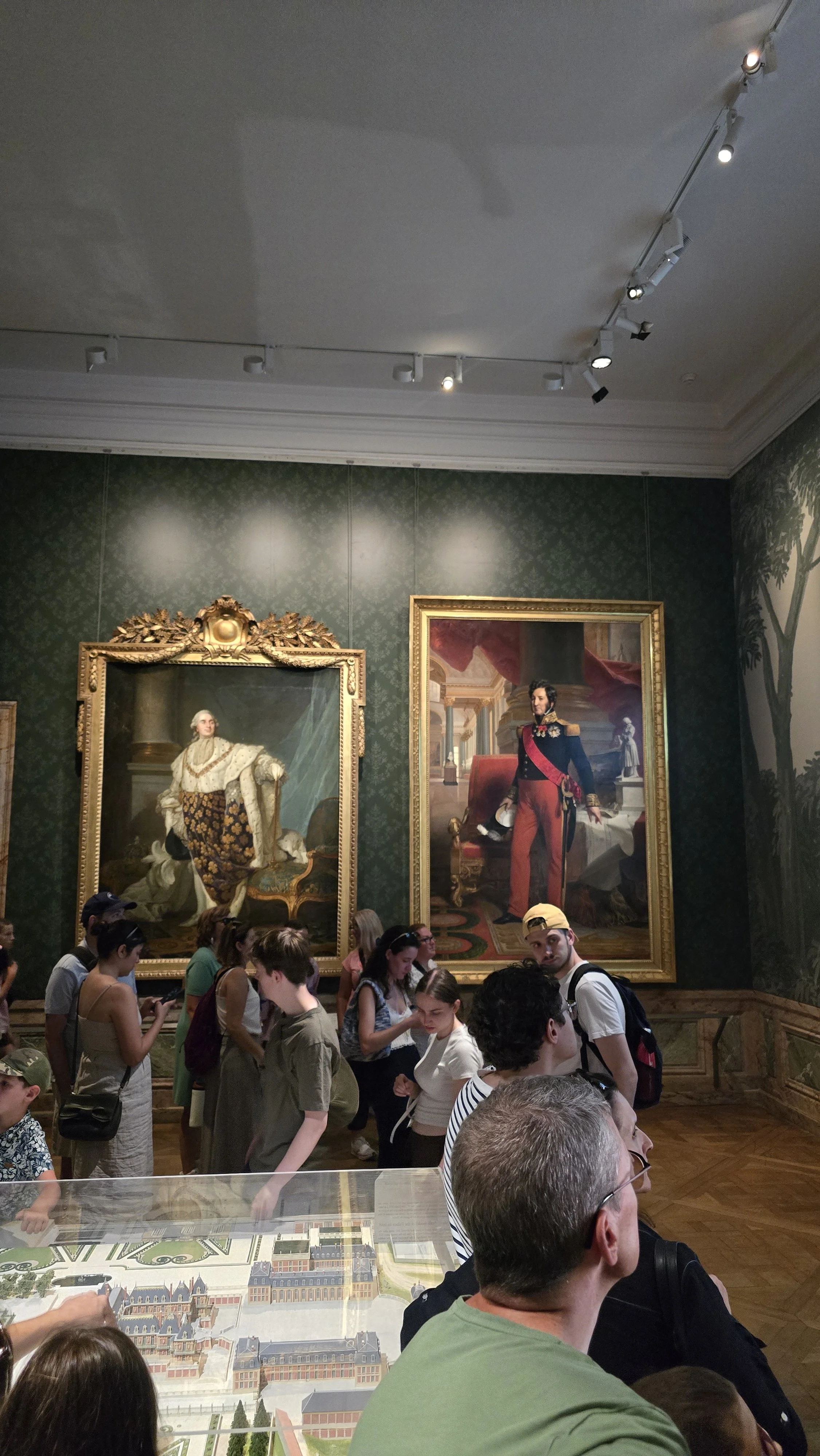
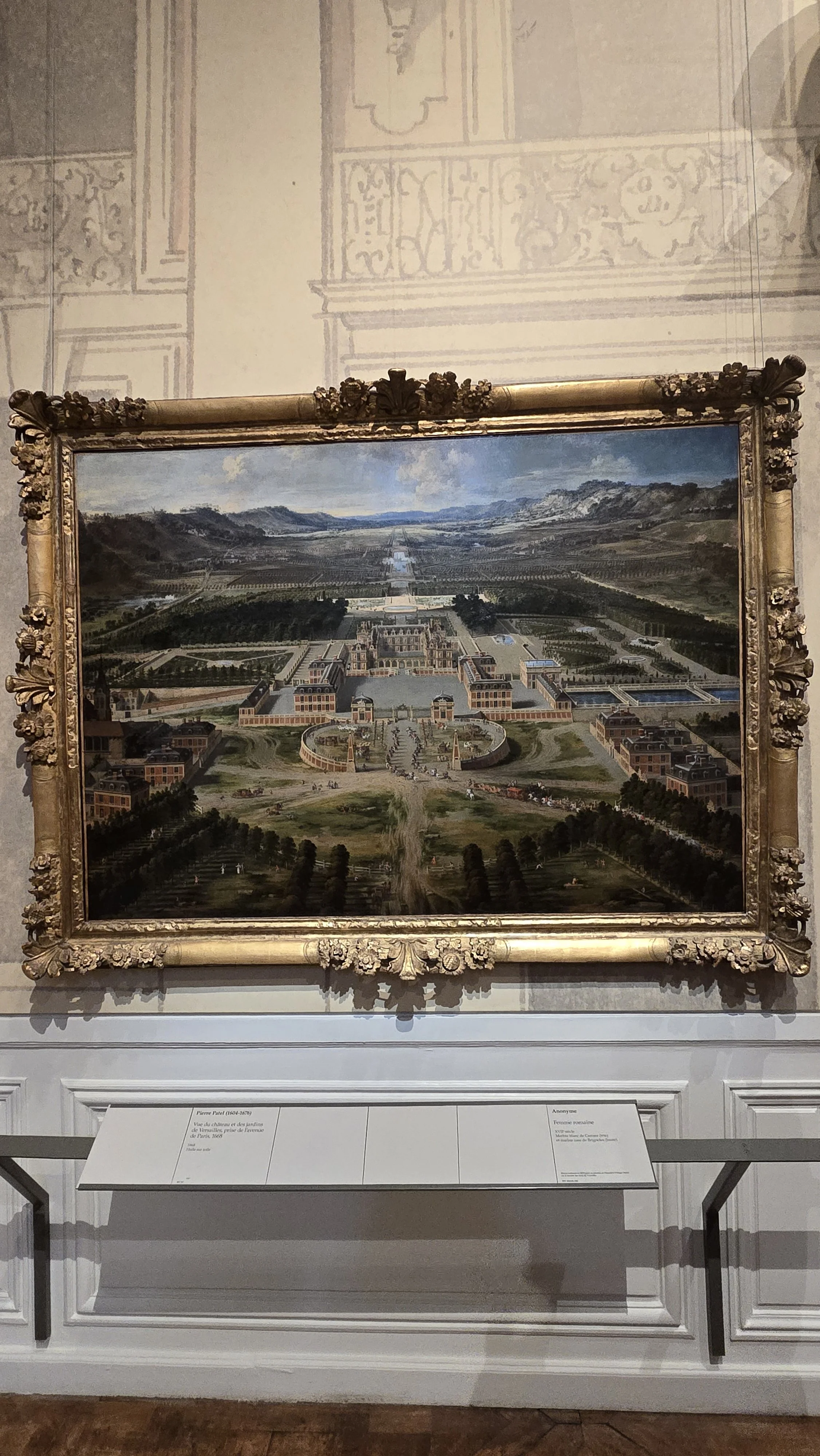
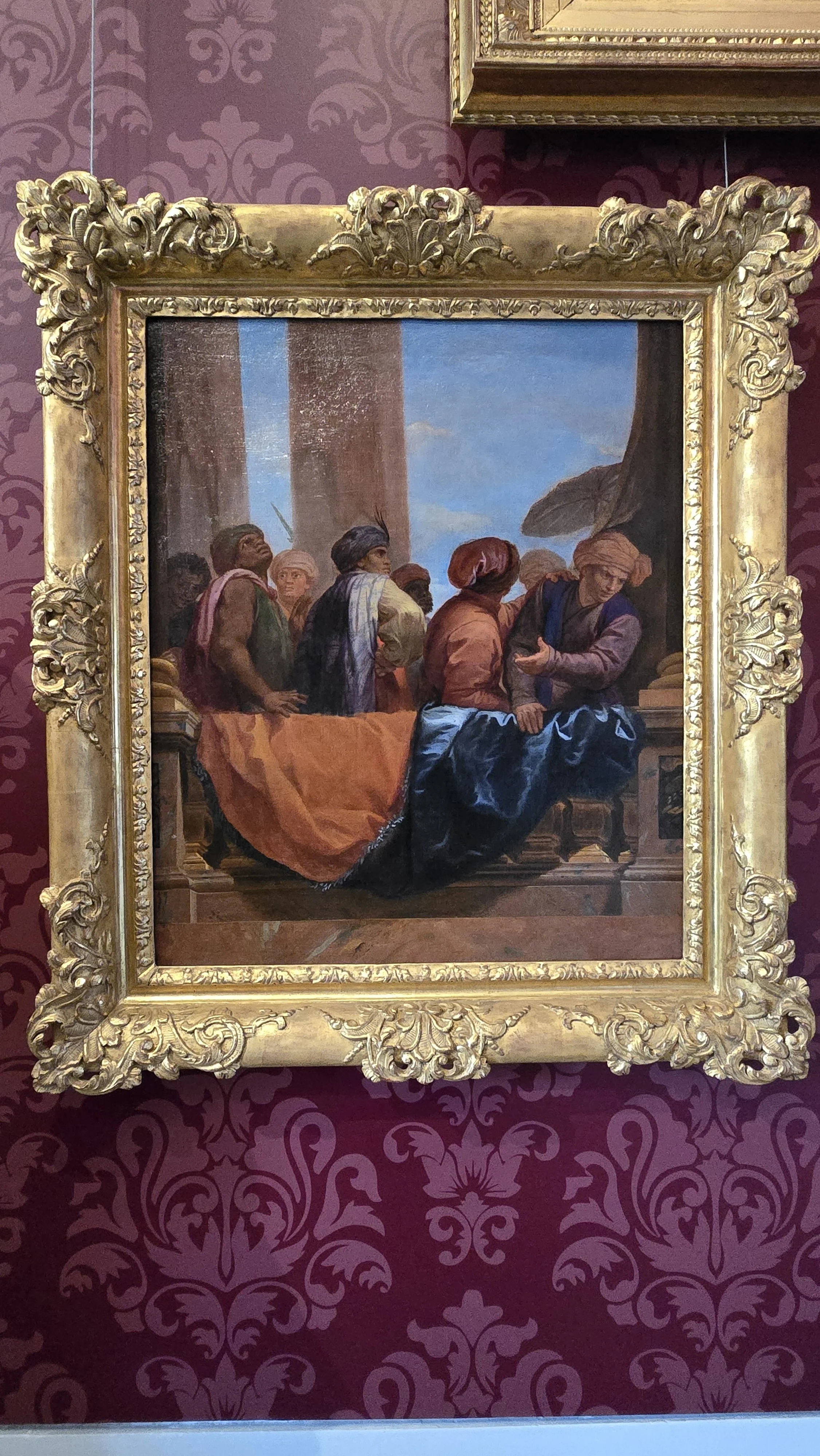
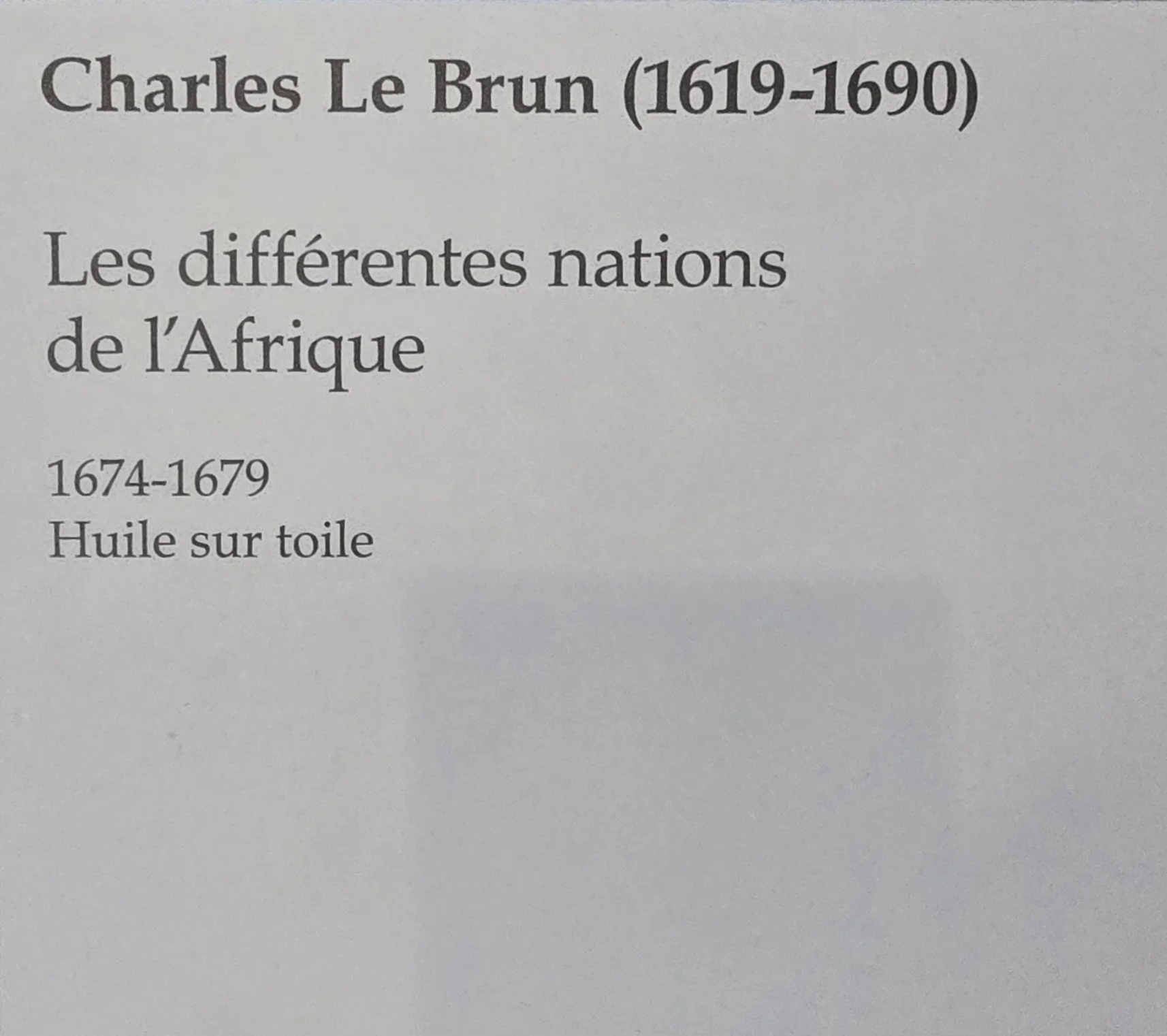
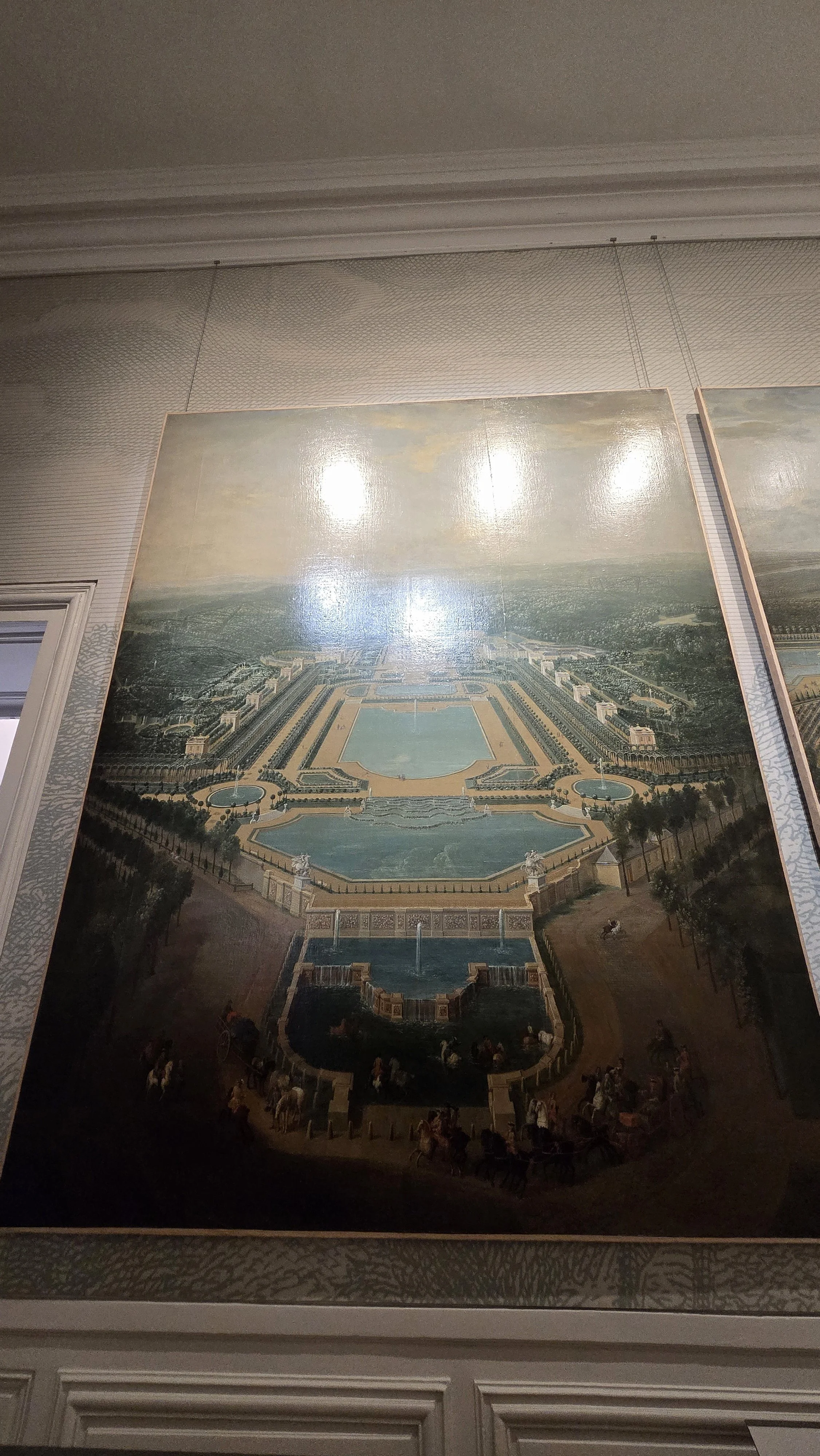
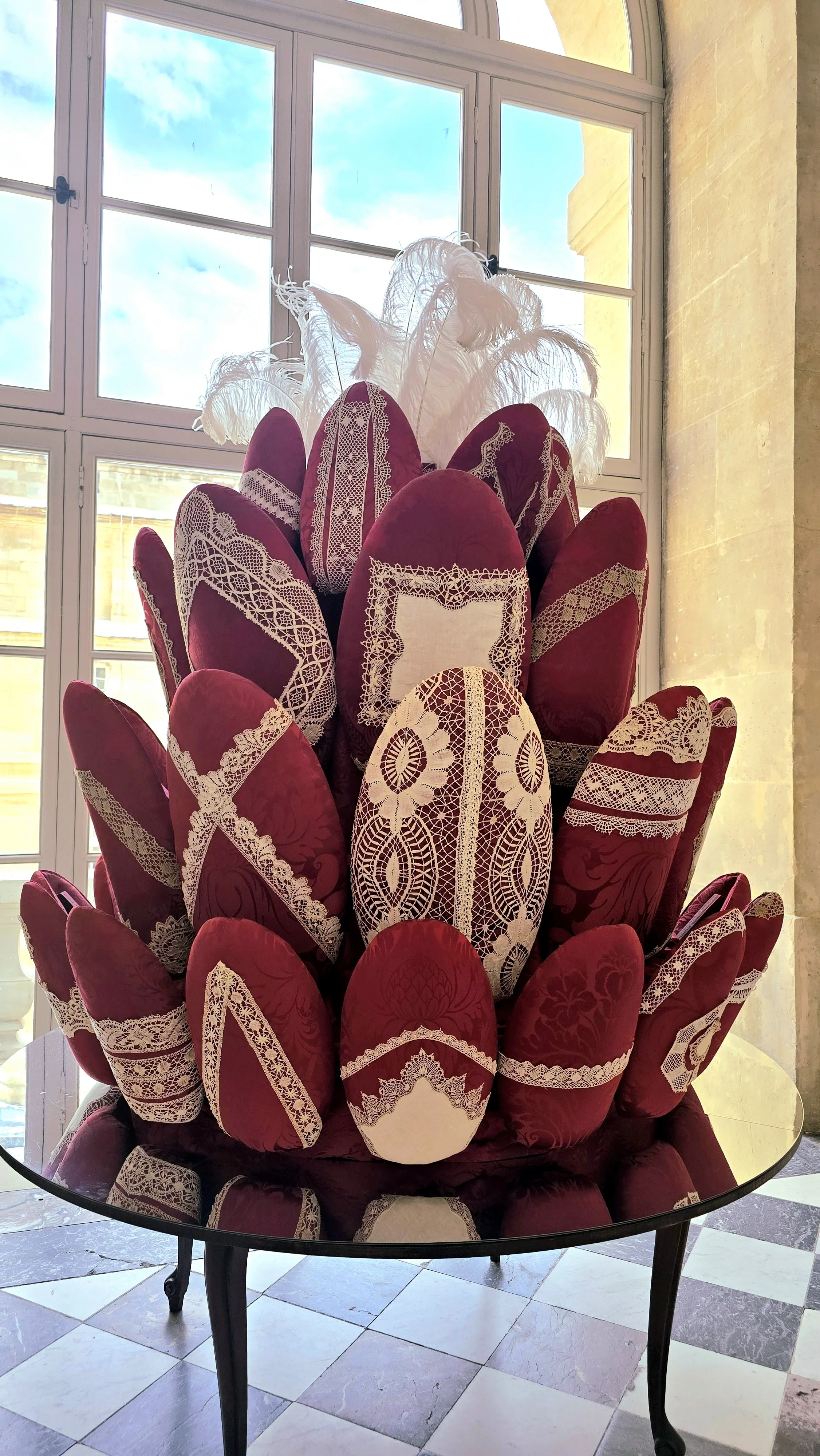
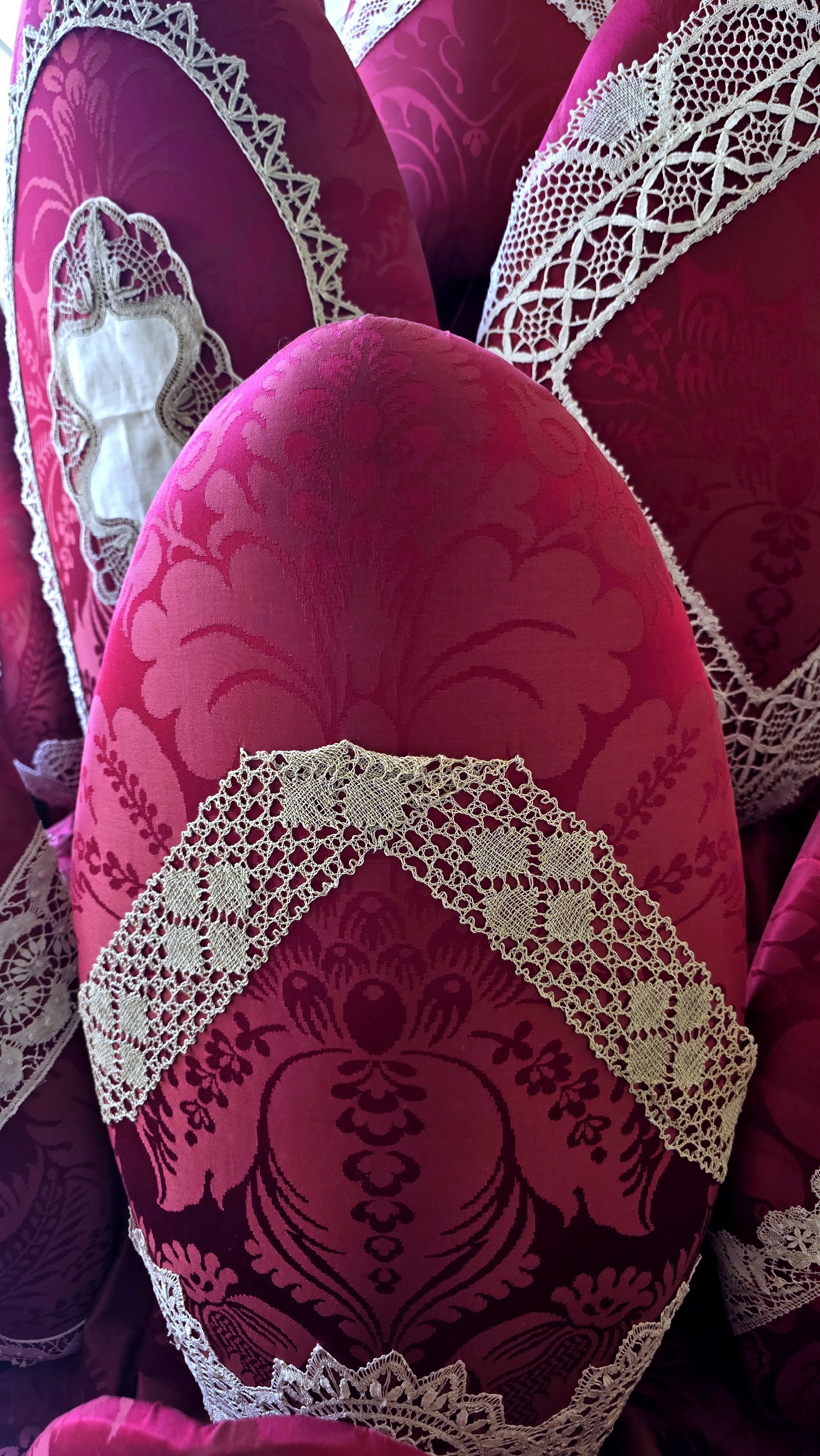
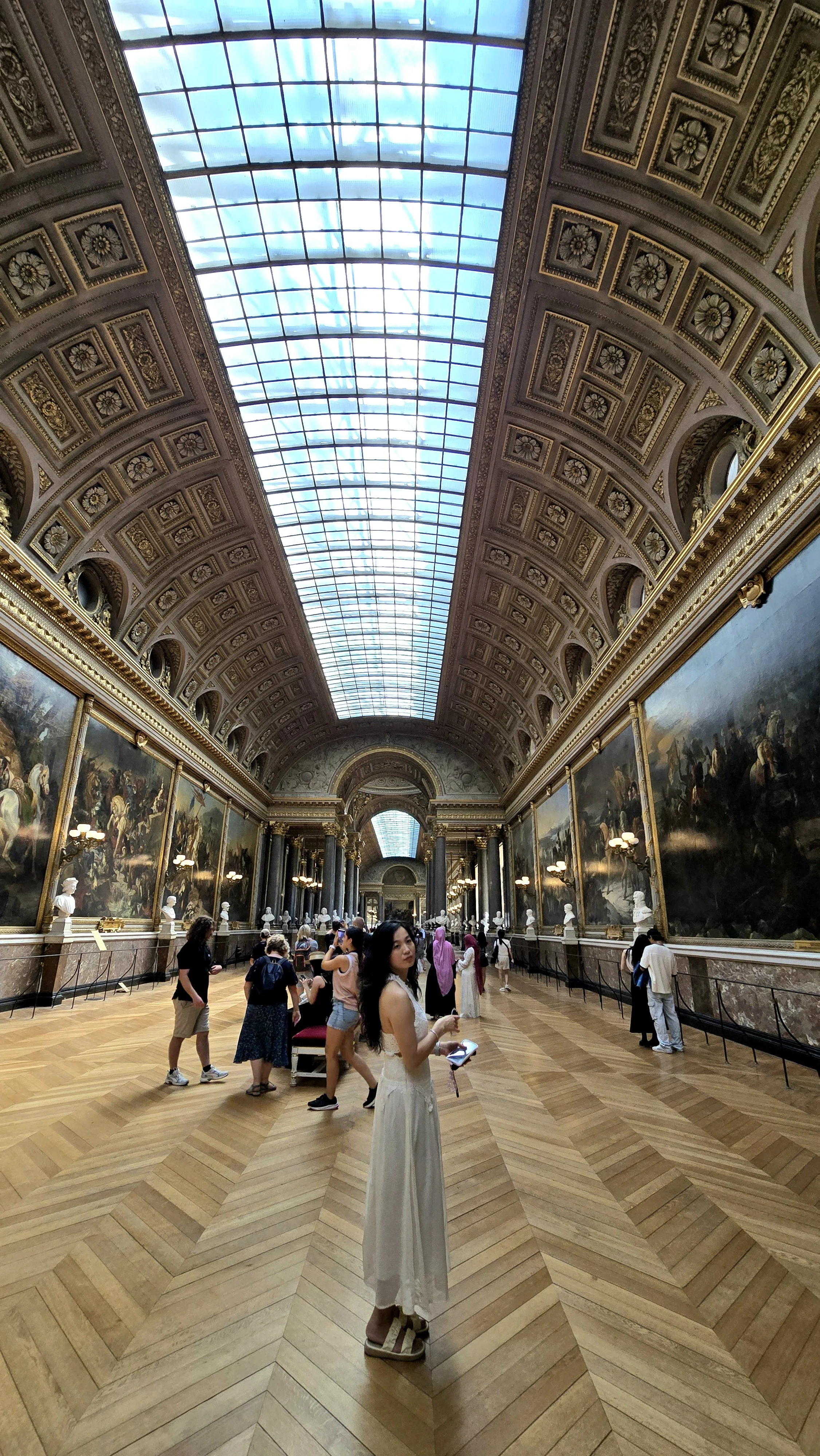
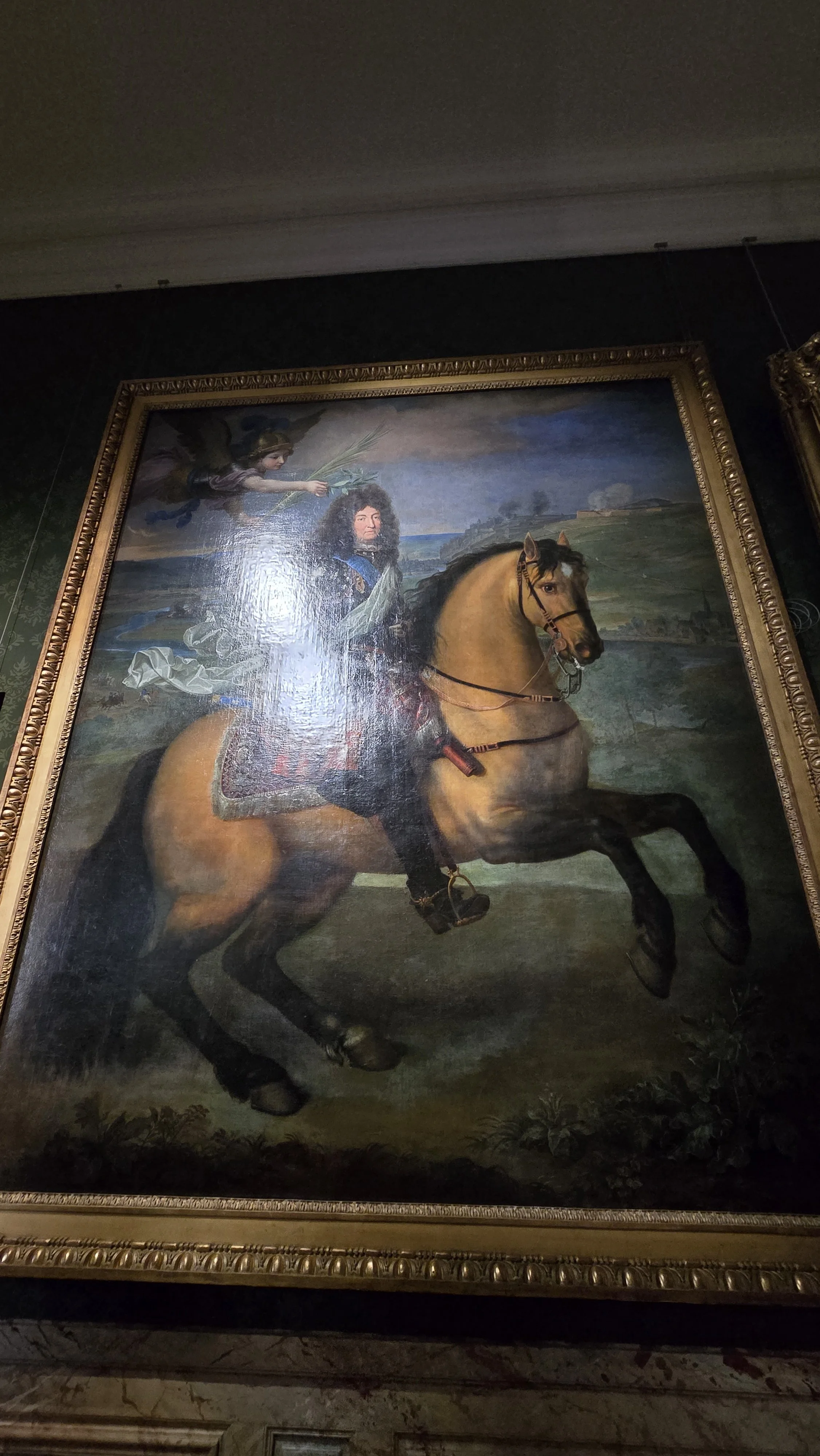
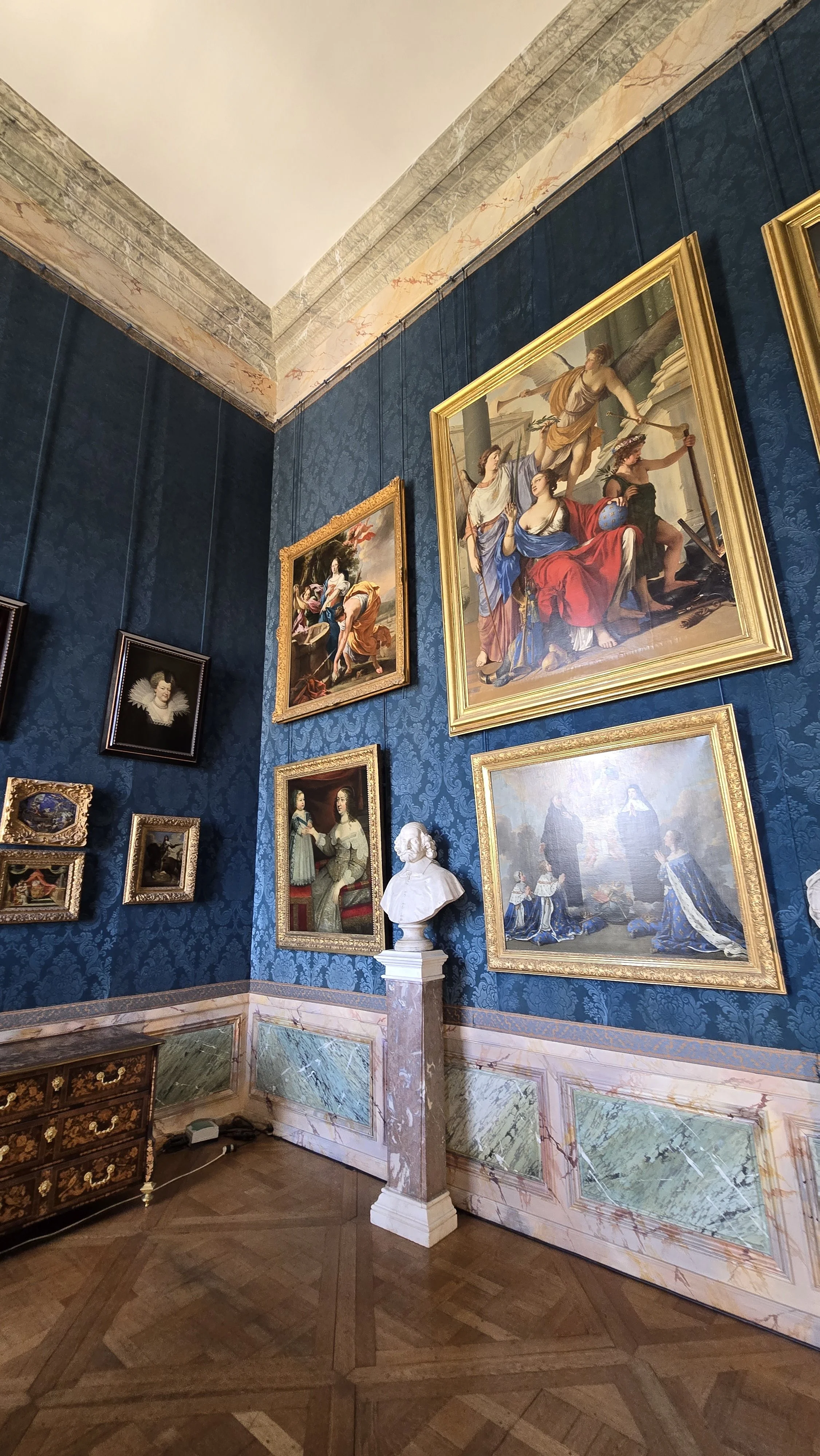
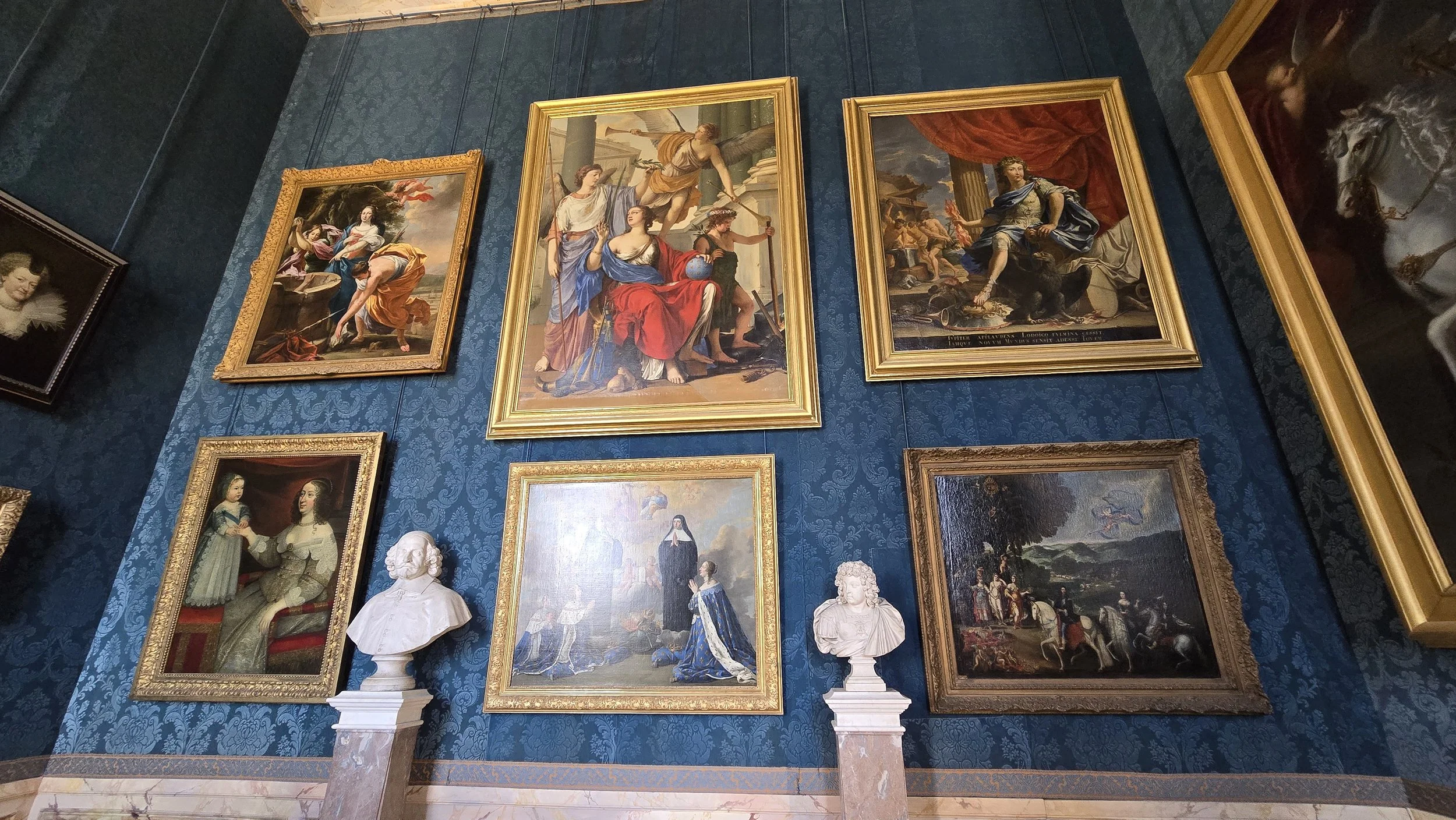
Besides my obsession with moldings, I was astonished by the art pieces. As an artist, I’m always fascinated by the painters’ techniques and execution. I always have 10,000 questions about how they made it, how they managed the lights etc., and mastered painting on such large scales while photography wasn’t invented yet.
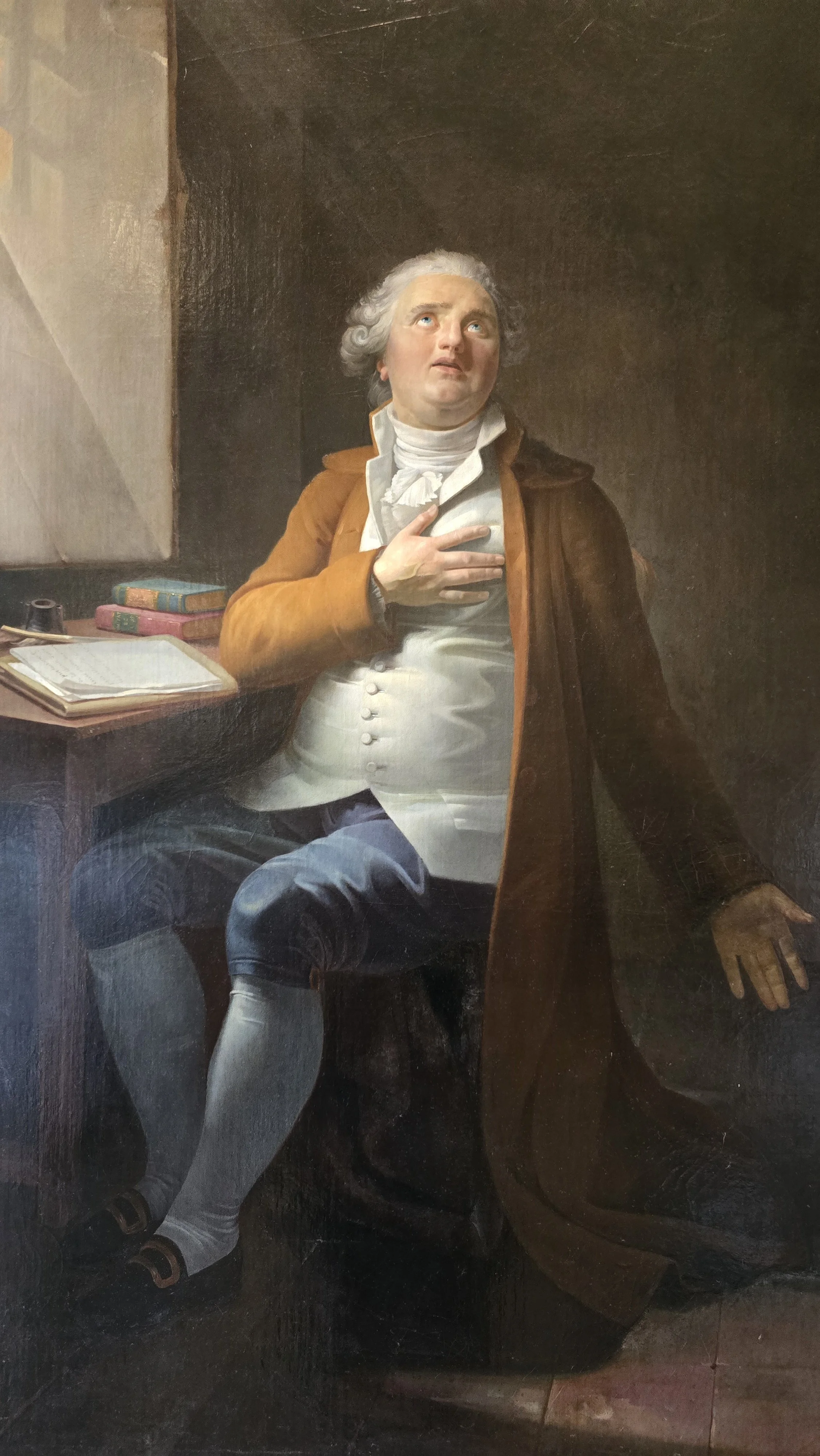
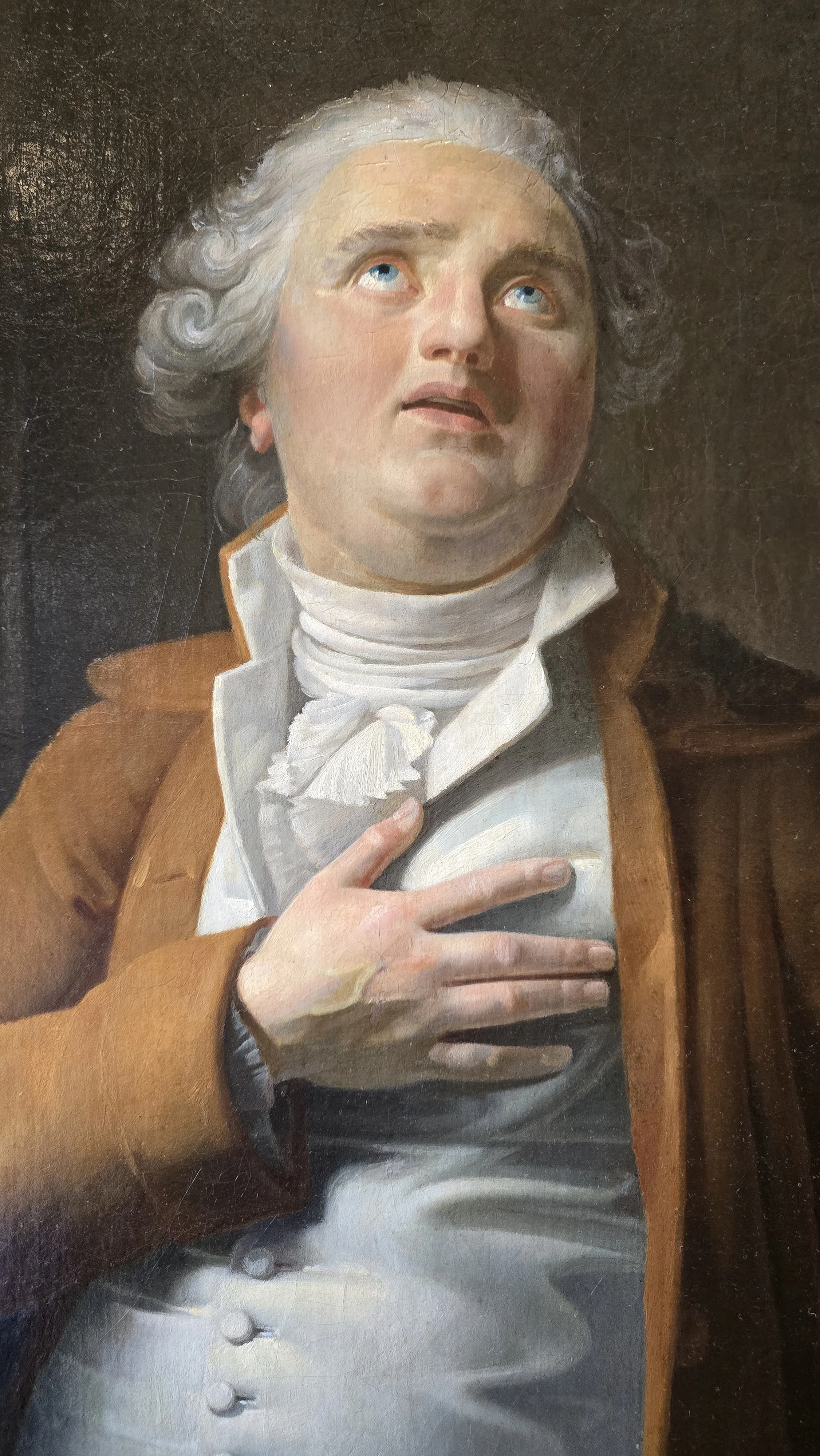
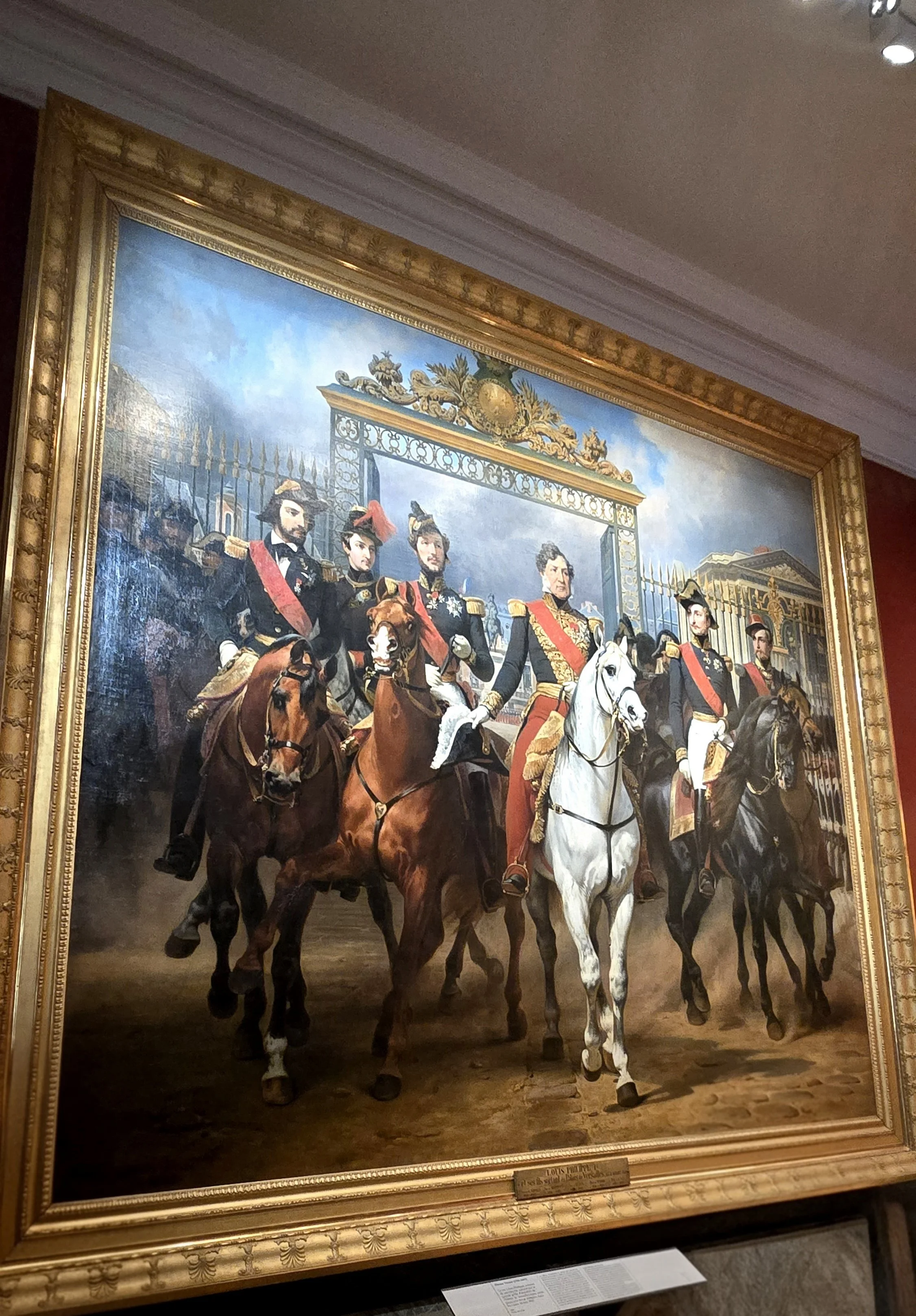
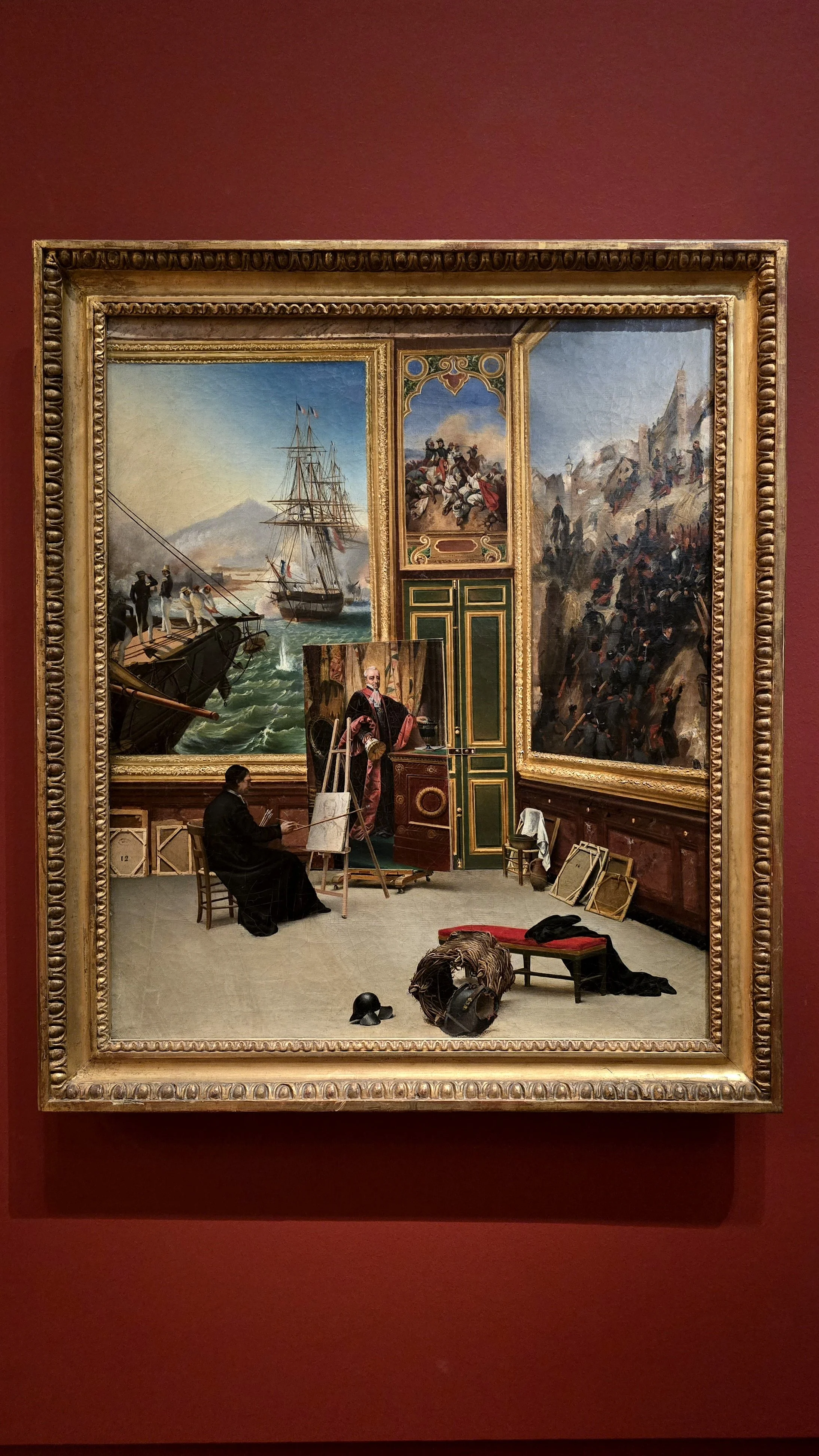
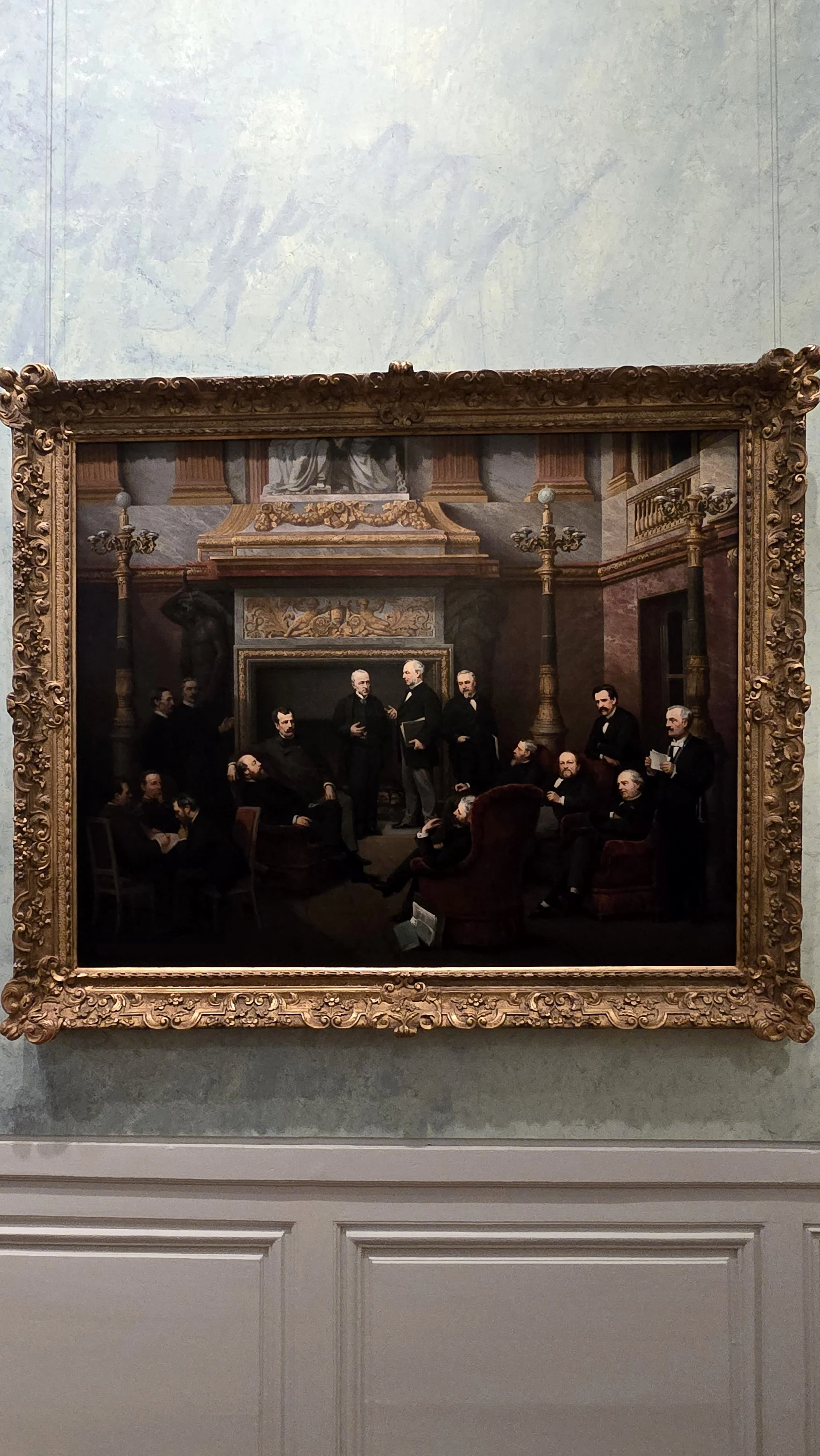
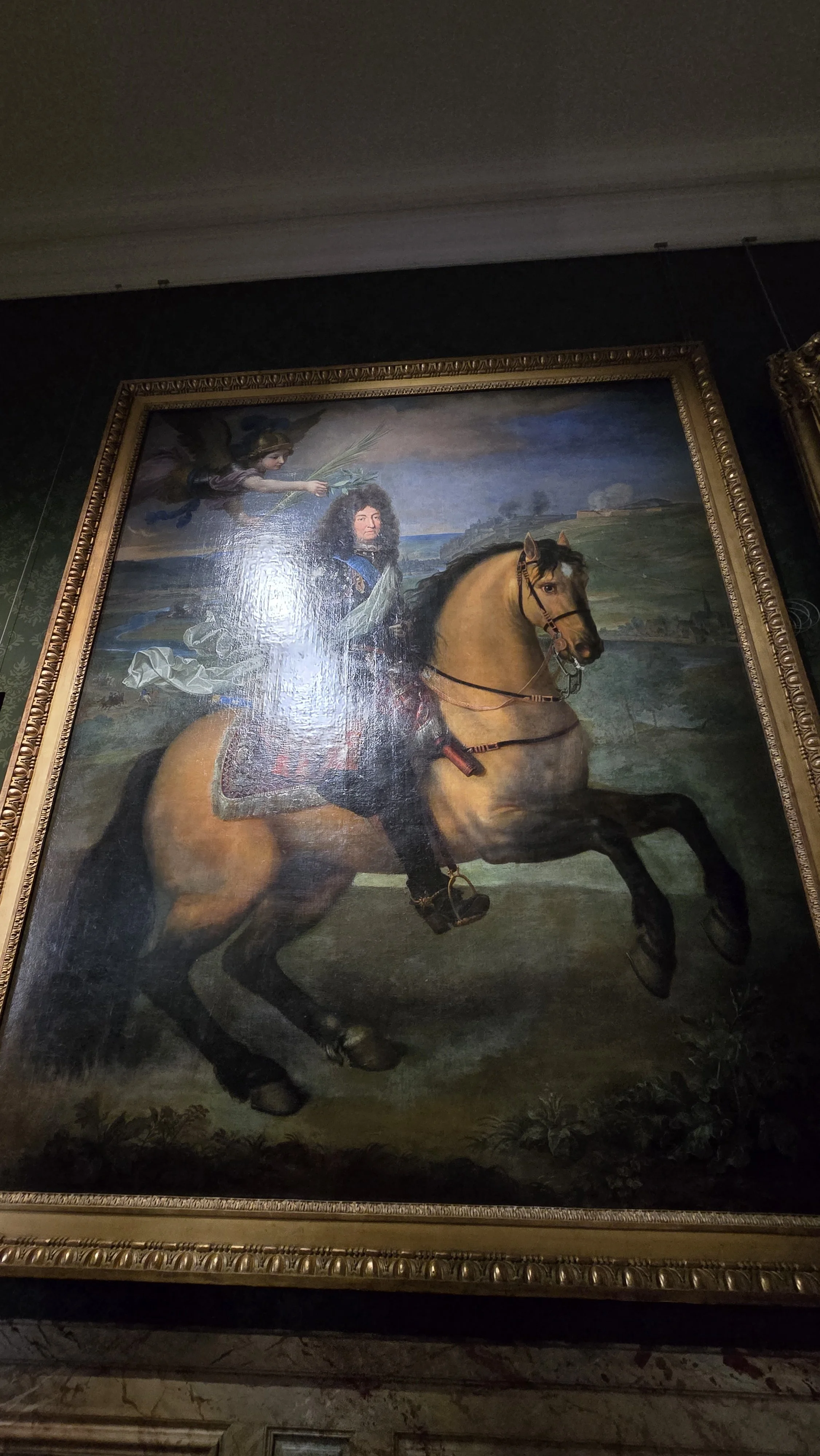
I was also super duper impressed with the details! Look at the textures: velour, jewelry, tule…
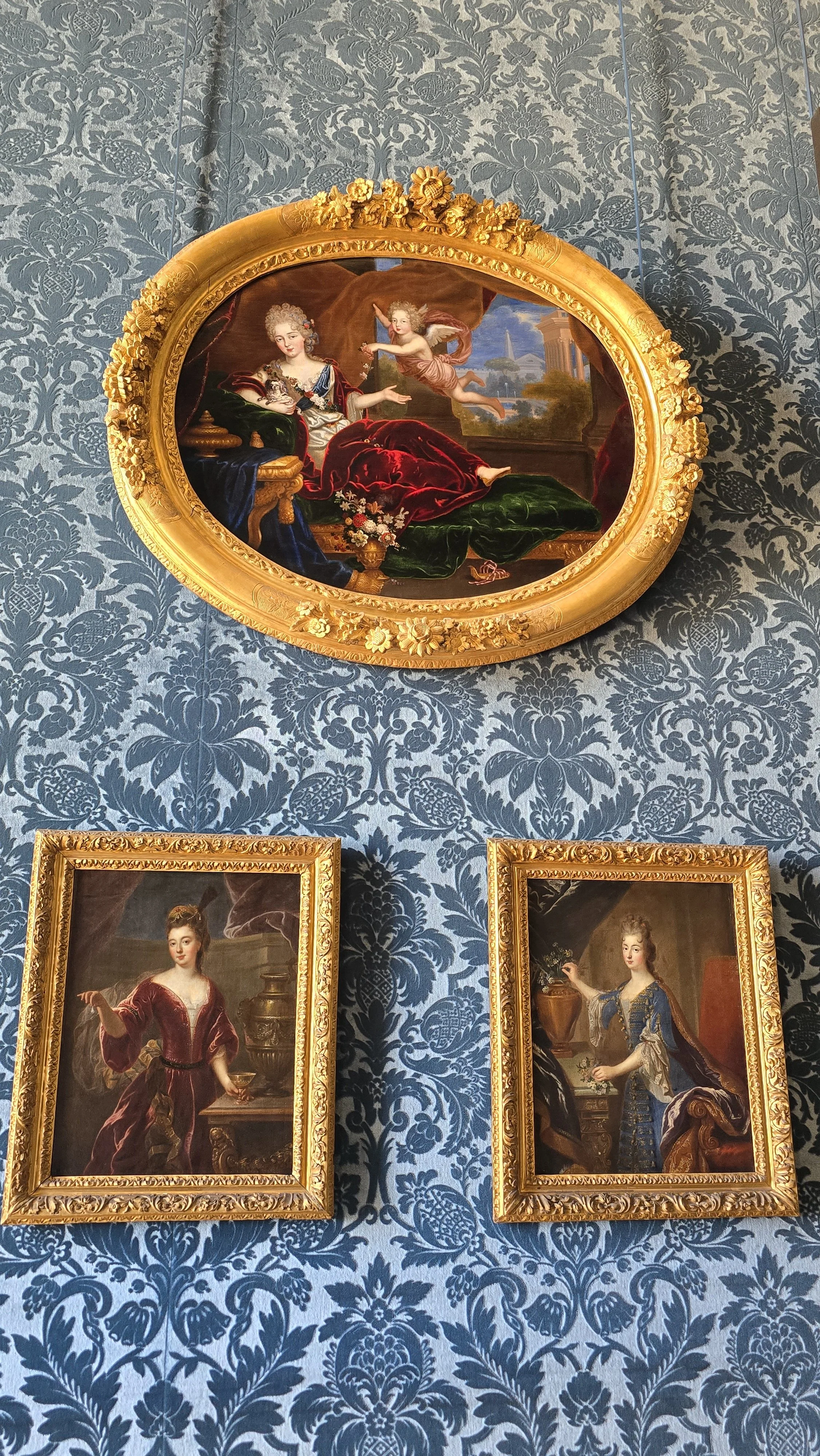
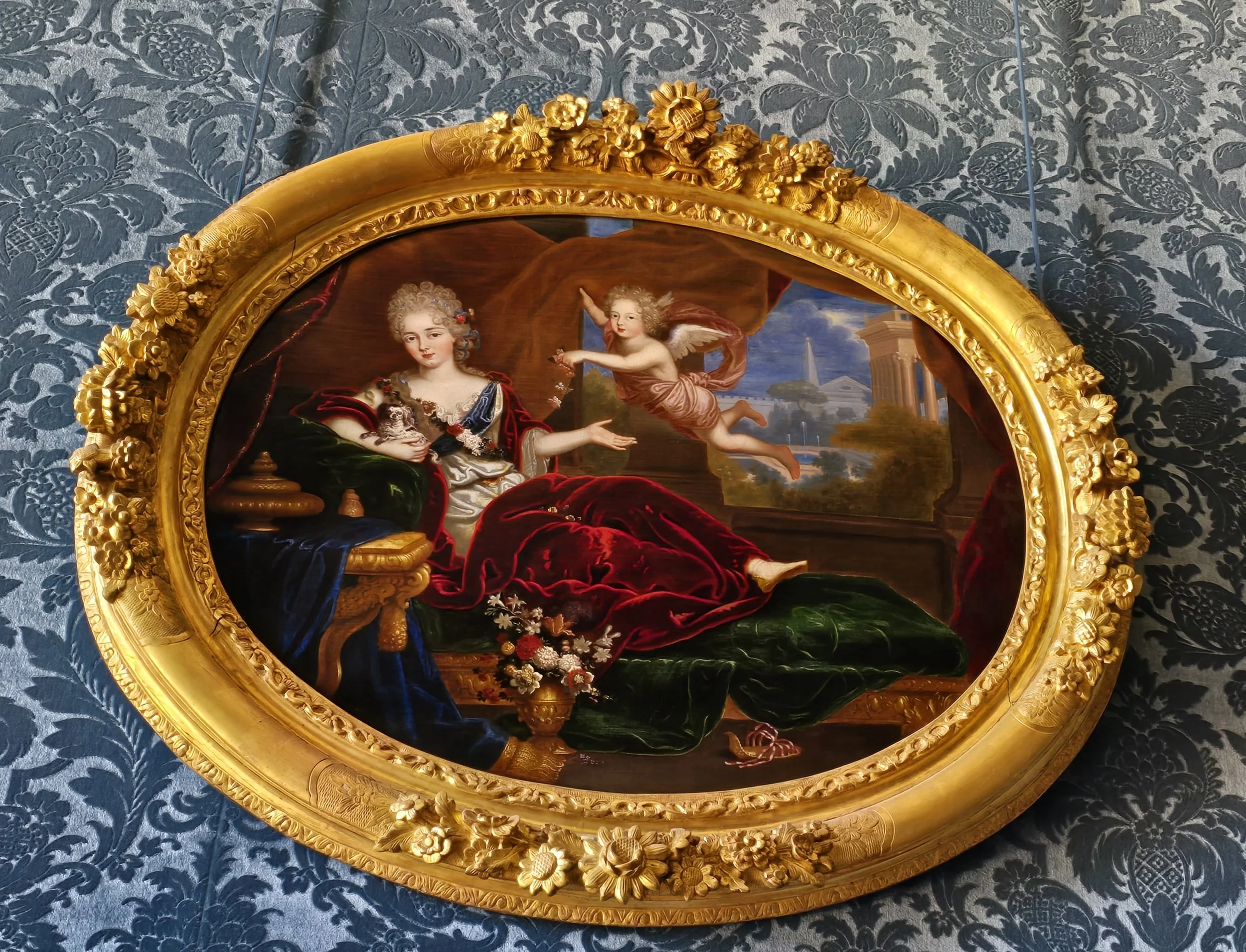
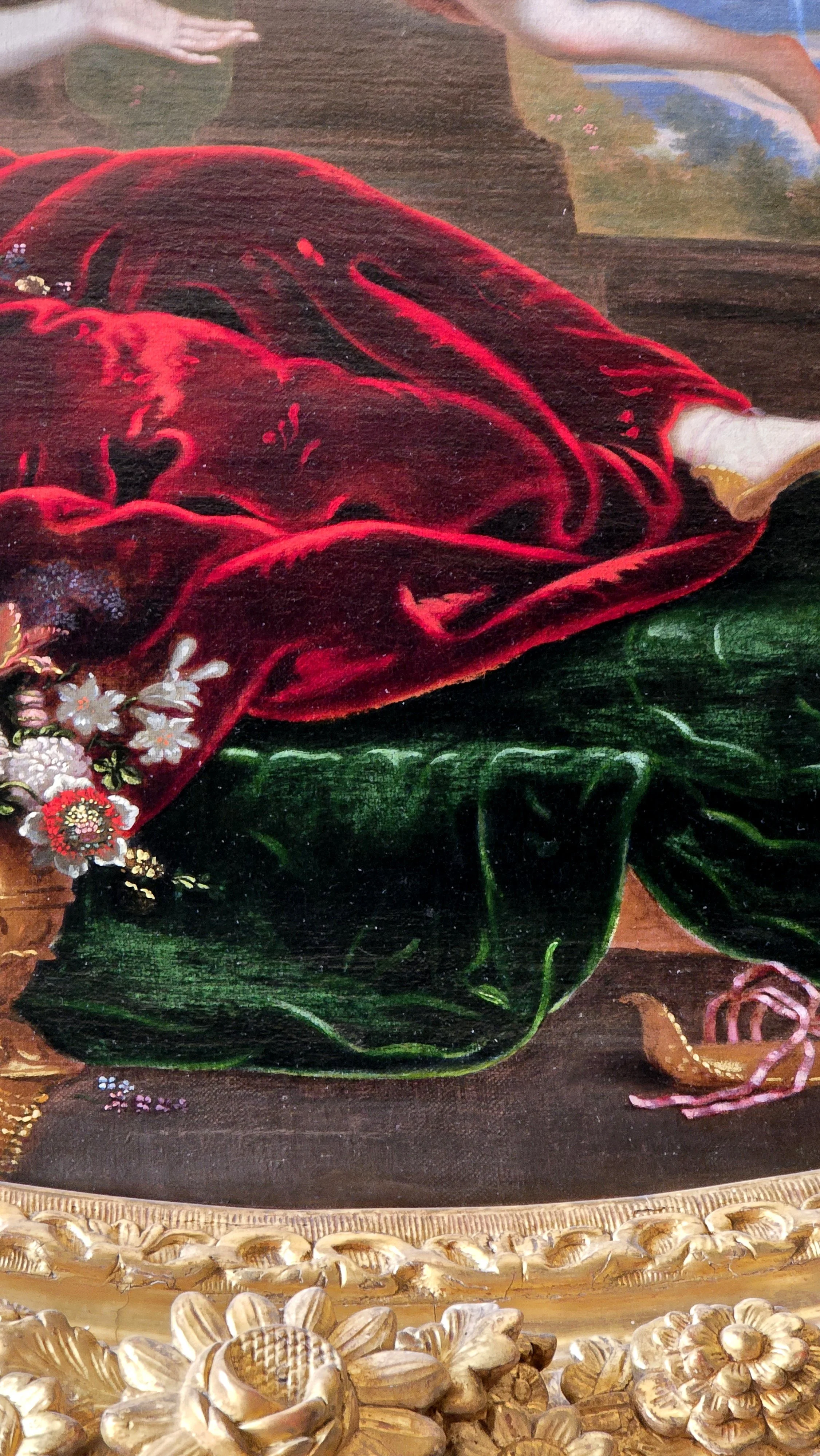
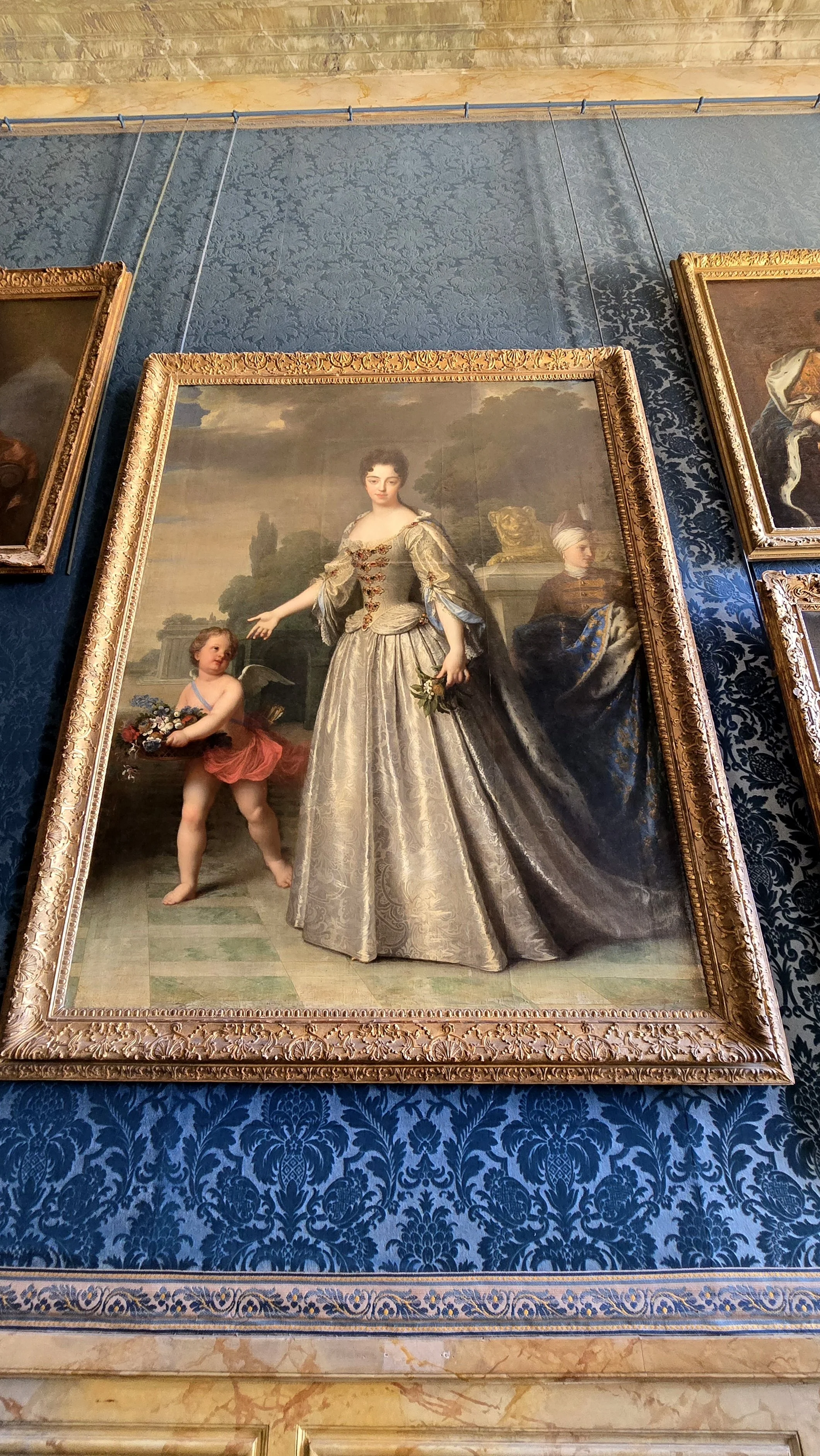
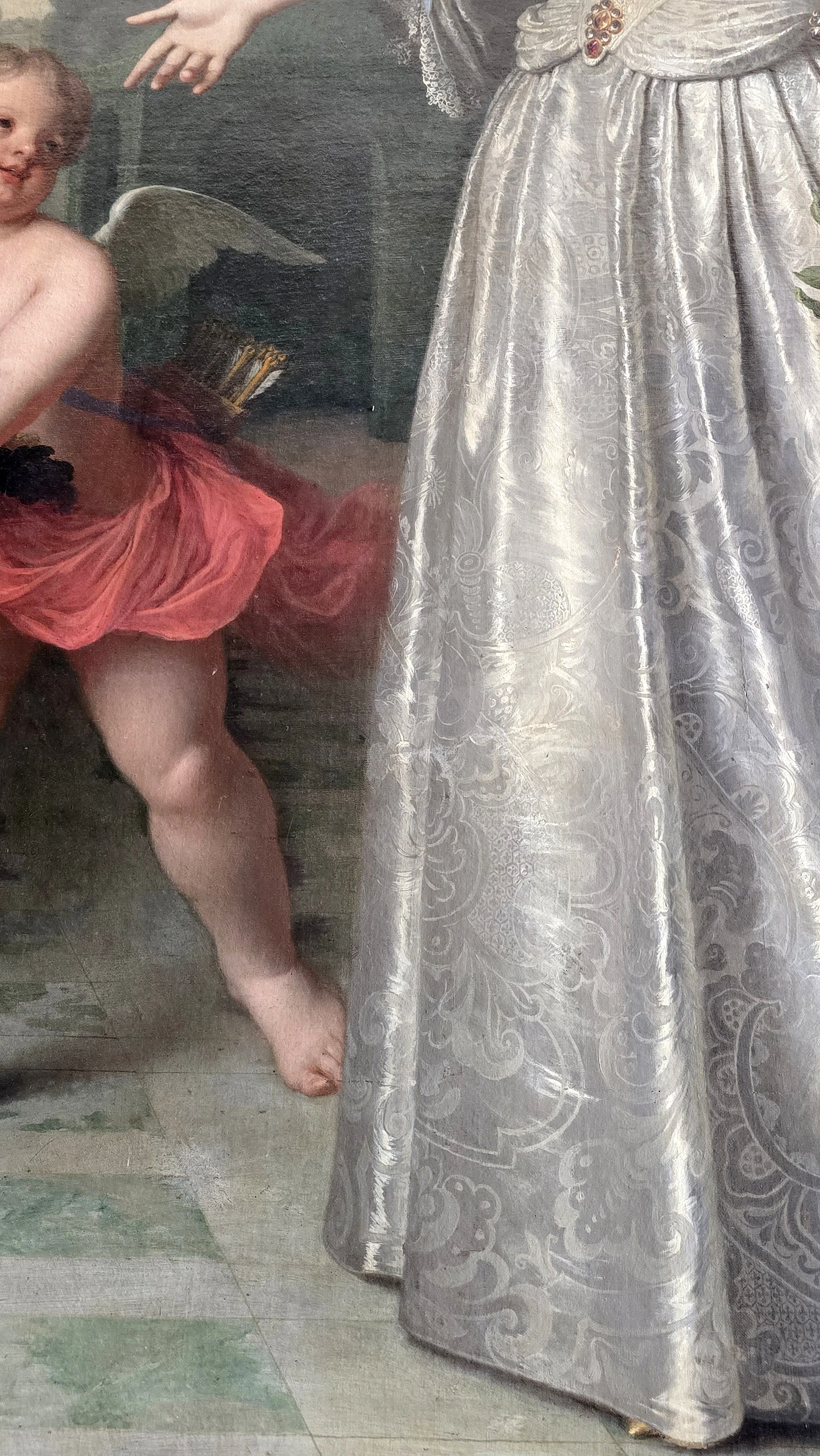
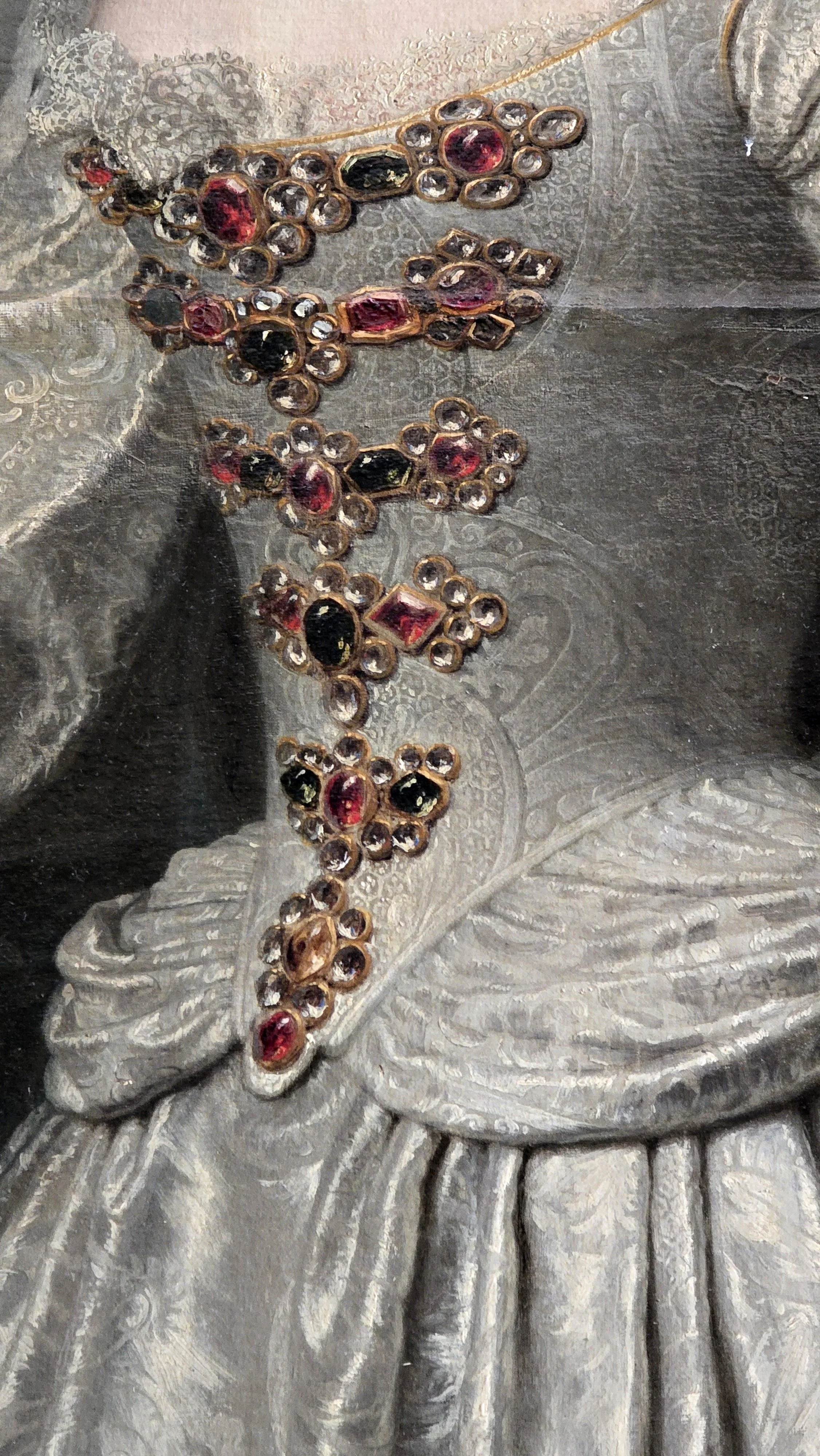
Little Lya was very happy and satisfied. I had some memories from 1995 and I now I have vivid new memories.
I wish you could see the work on the gold in those paintings.
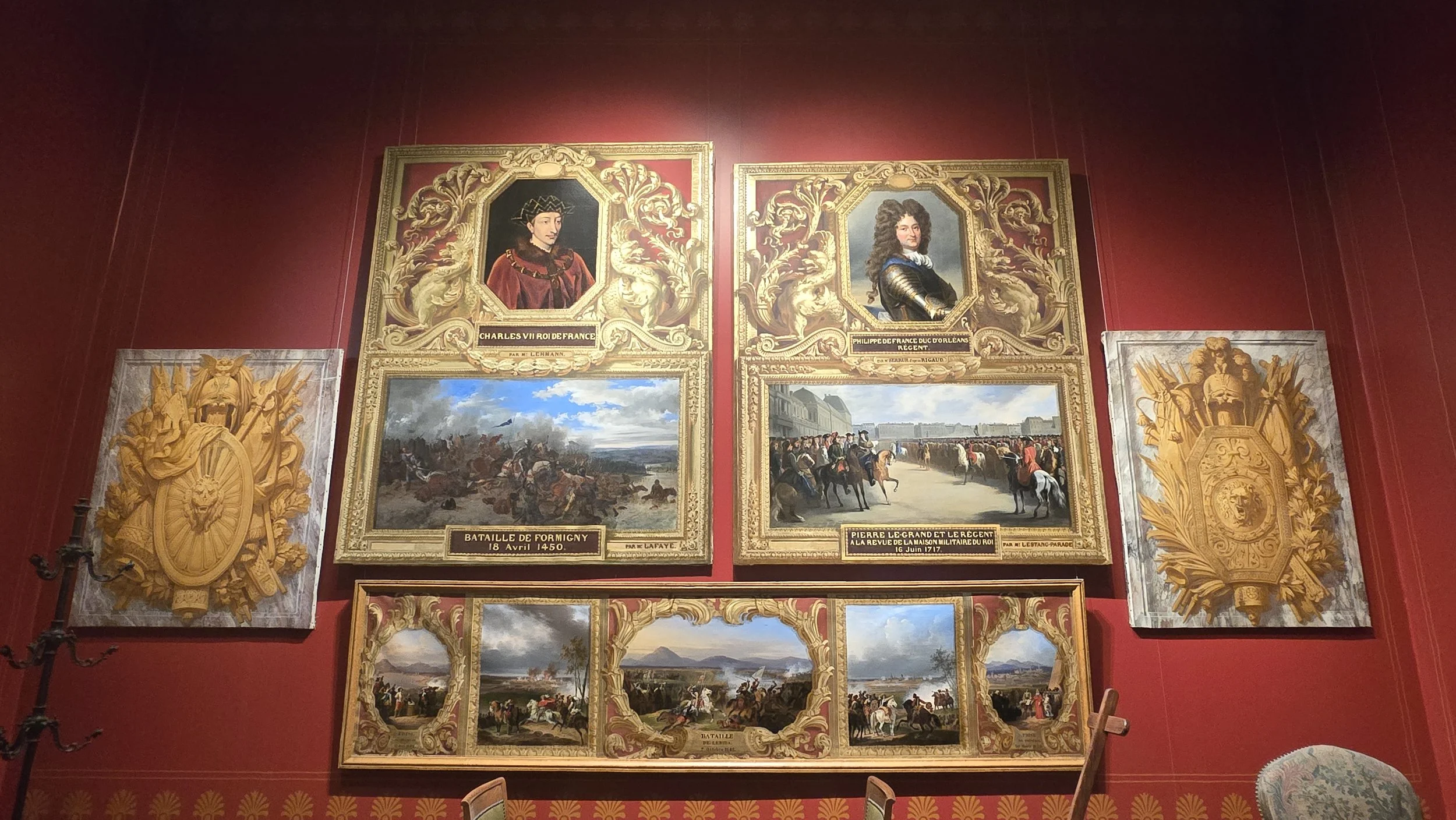
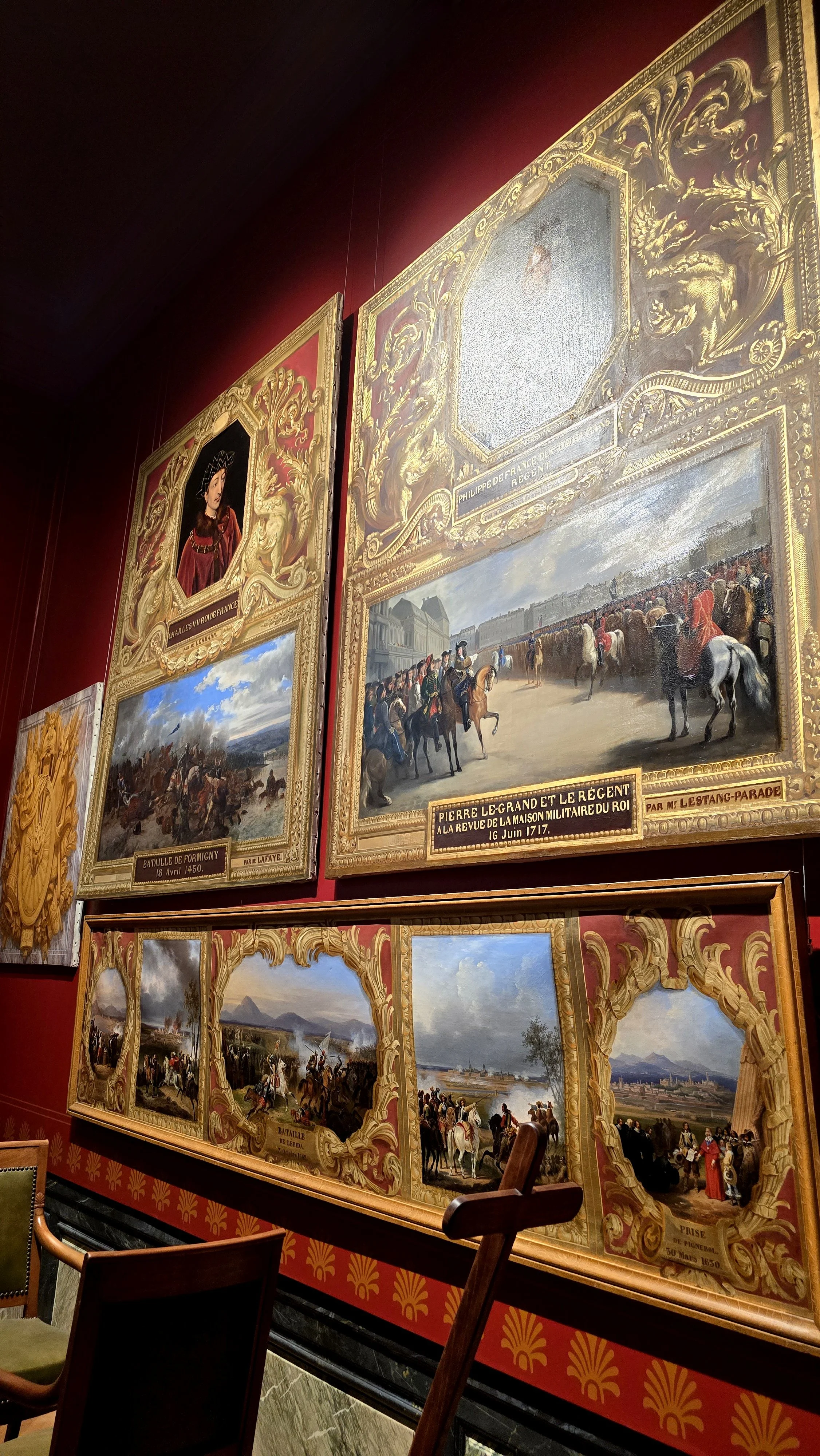
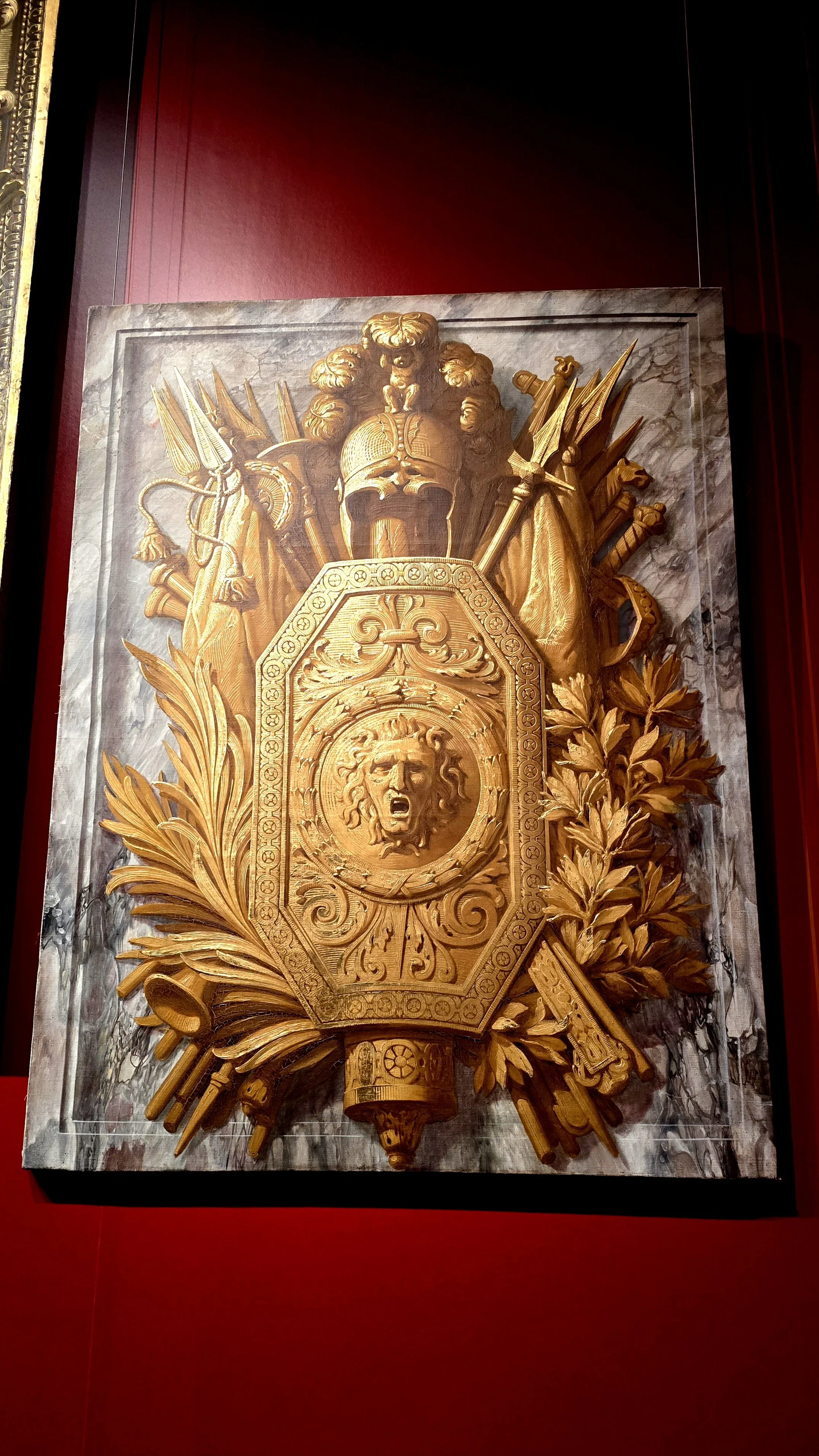
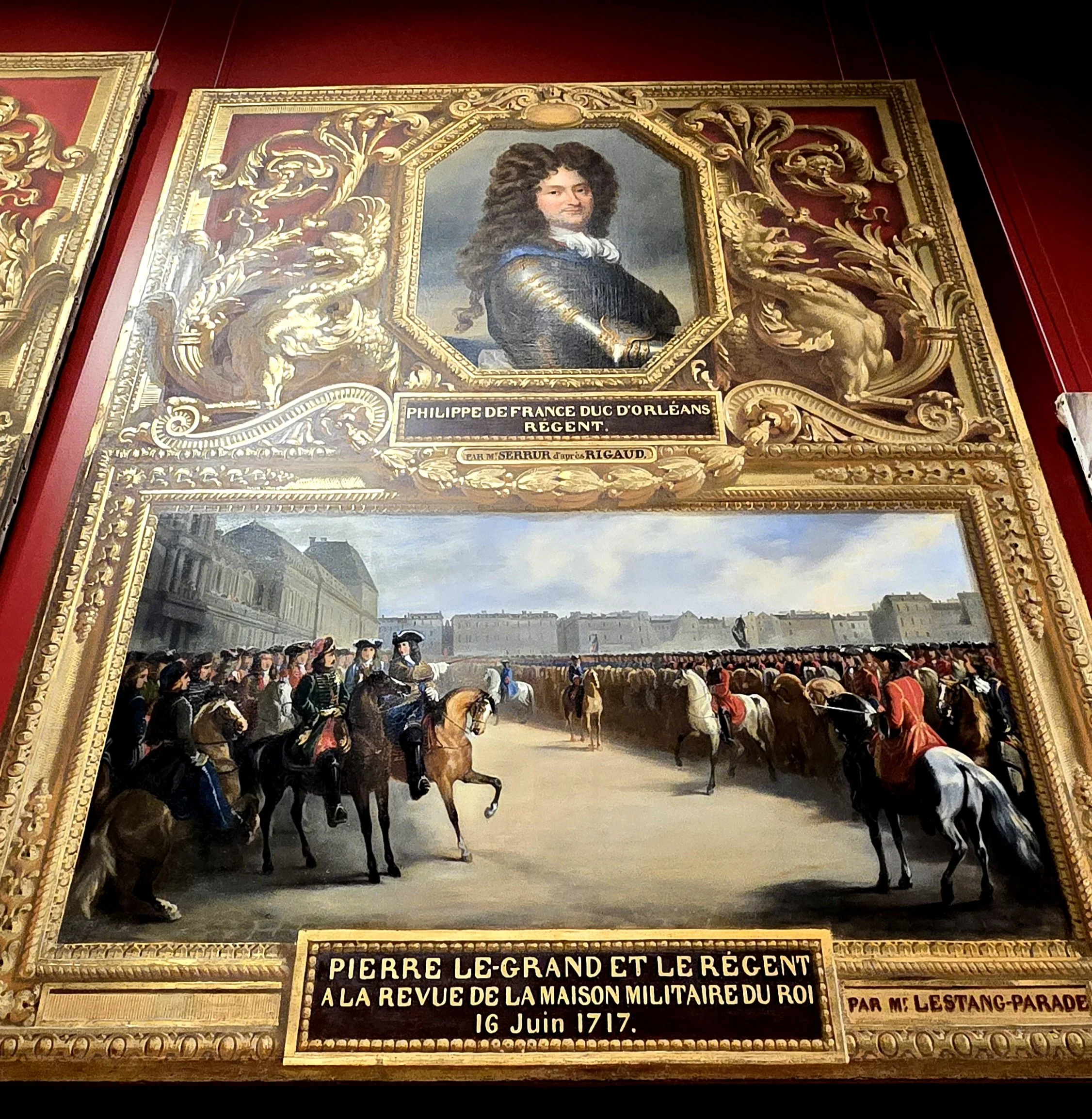
This king was so ego centric, so many artworks of him!
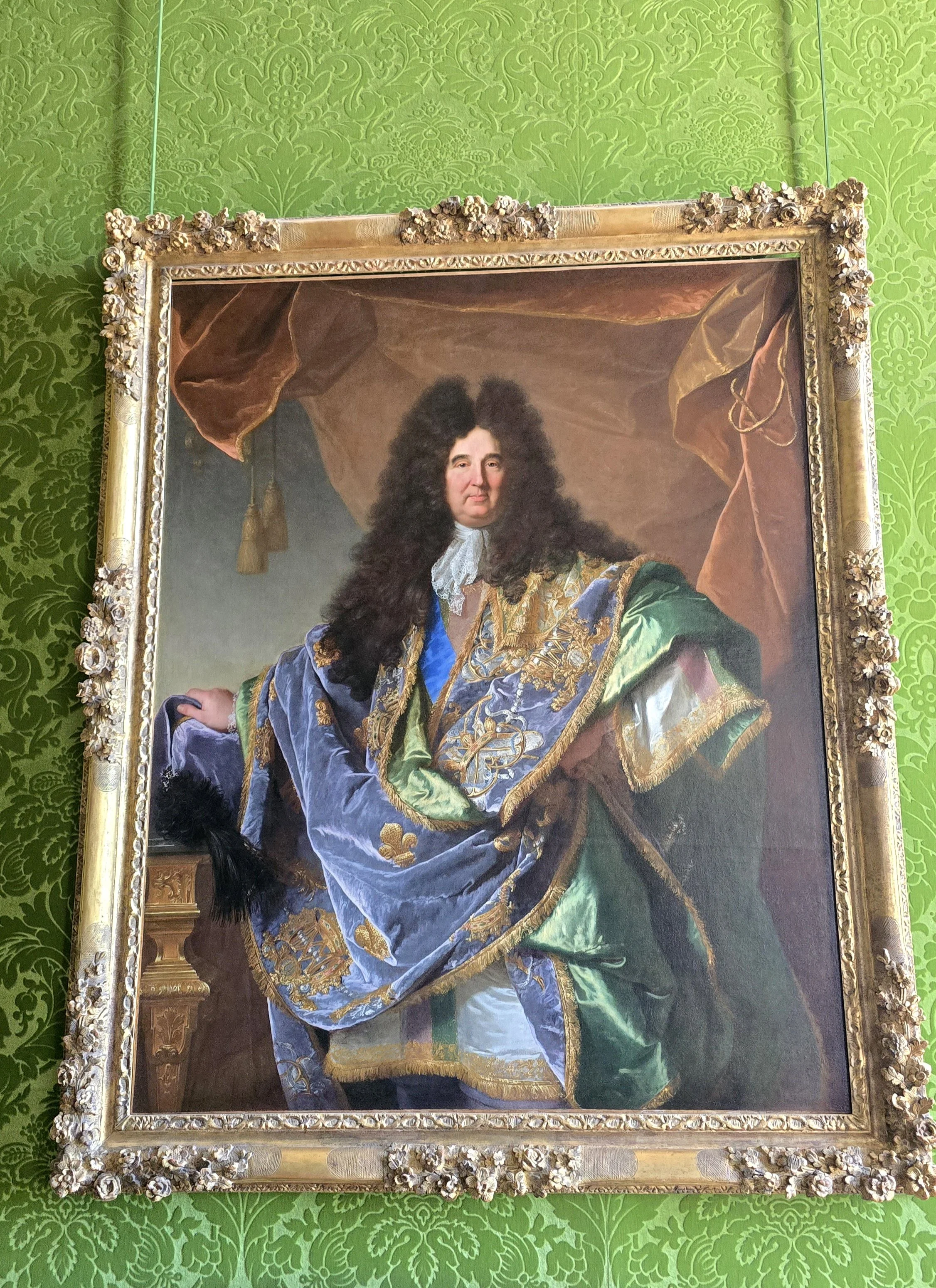
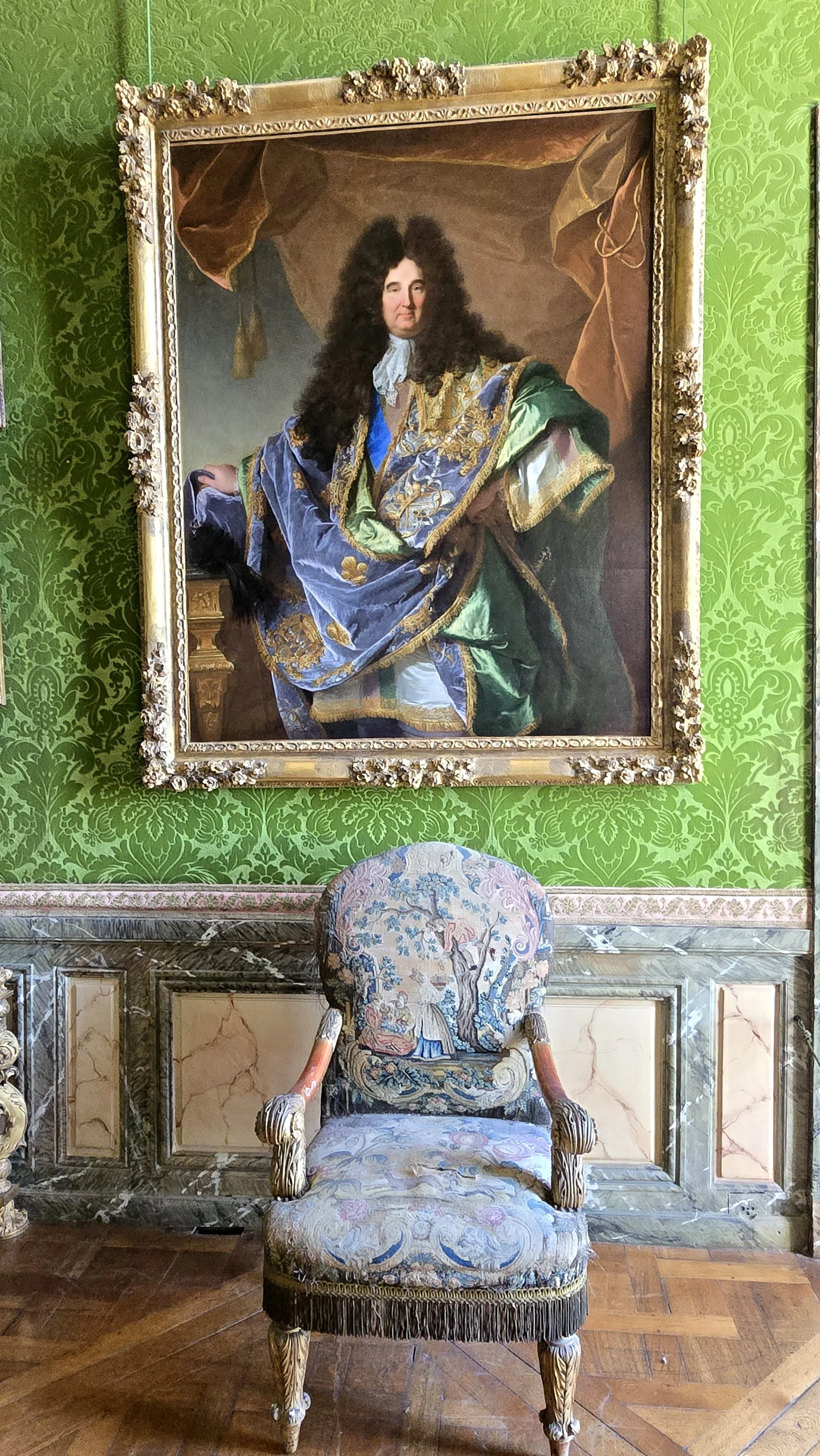
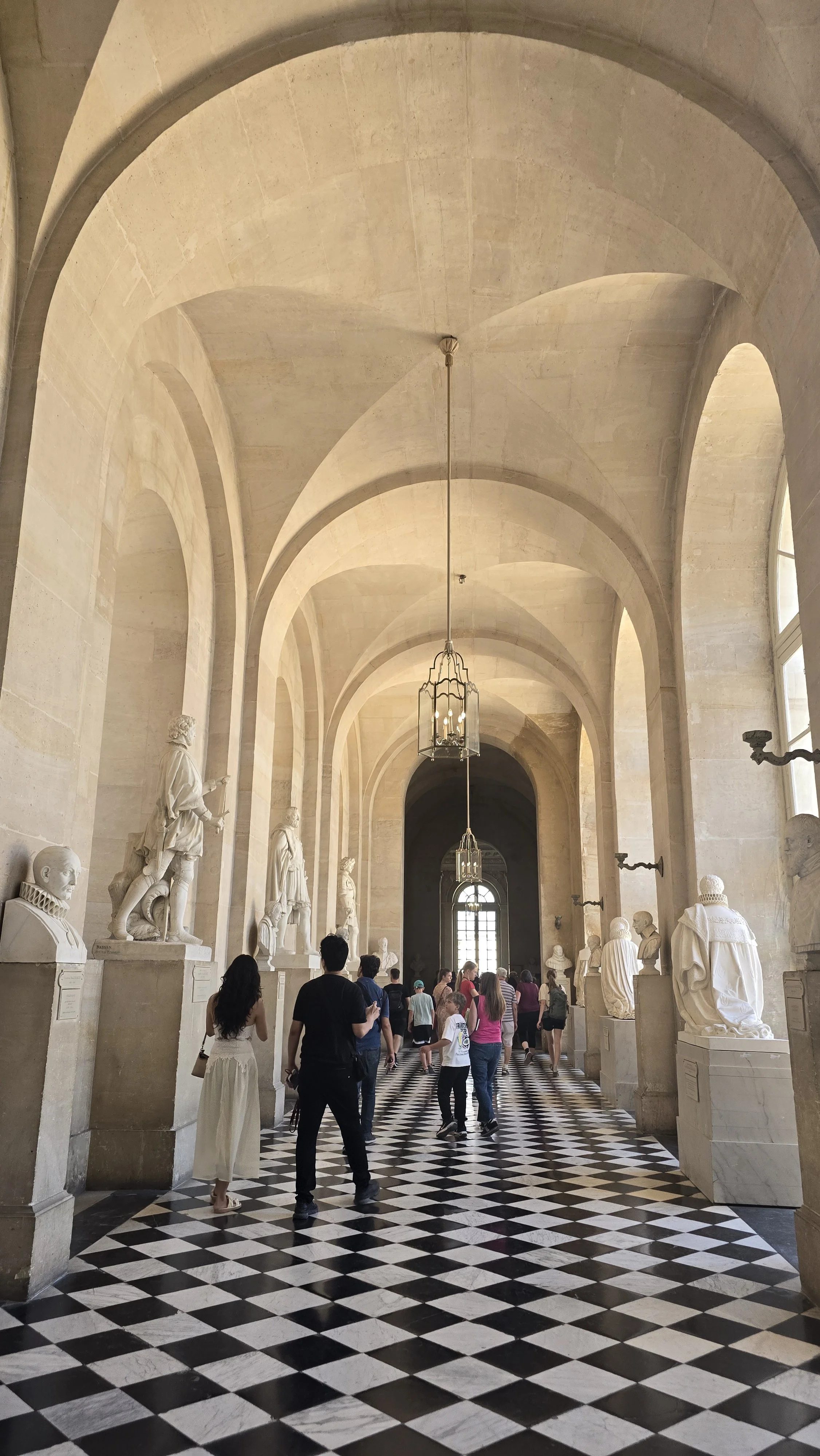
Sculpture, wood work, frames, furniture… Everything was exquisite! Not my style but exquisite.
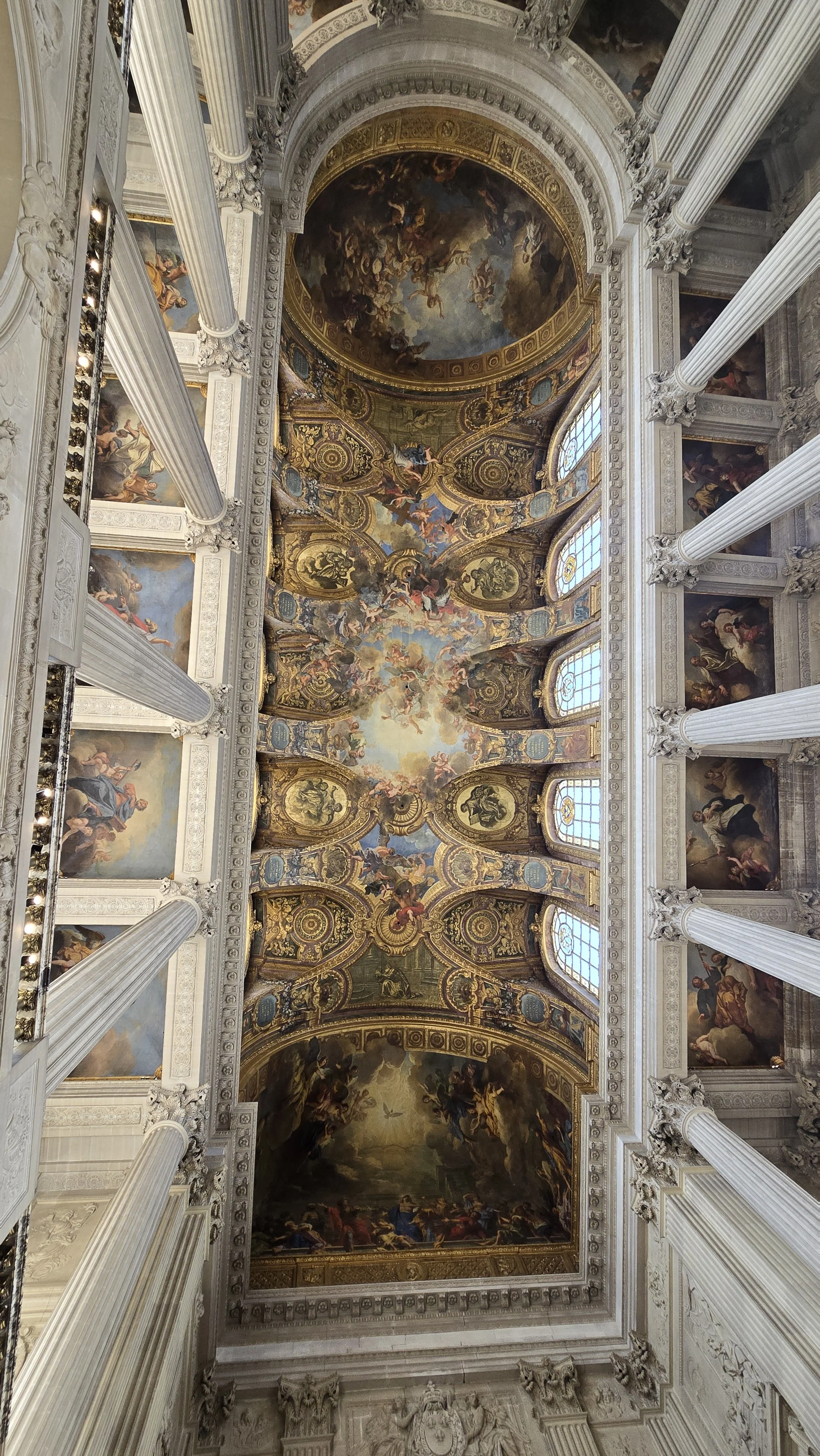
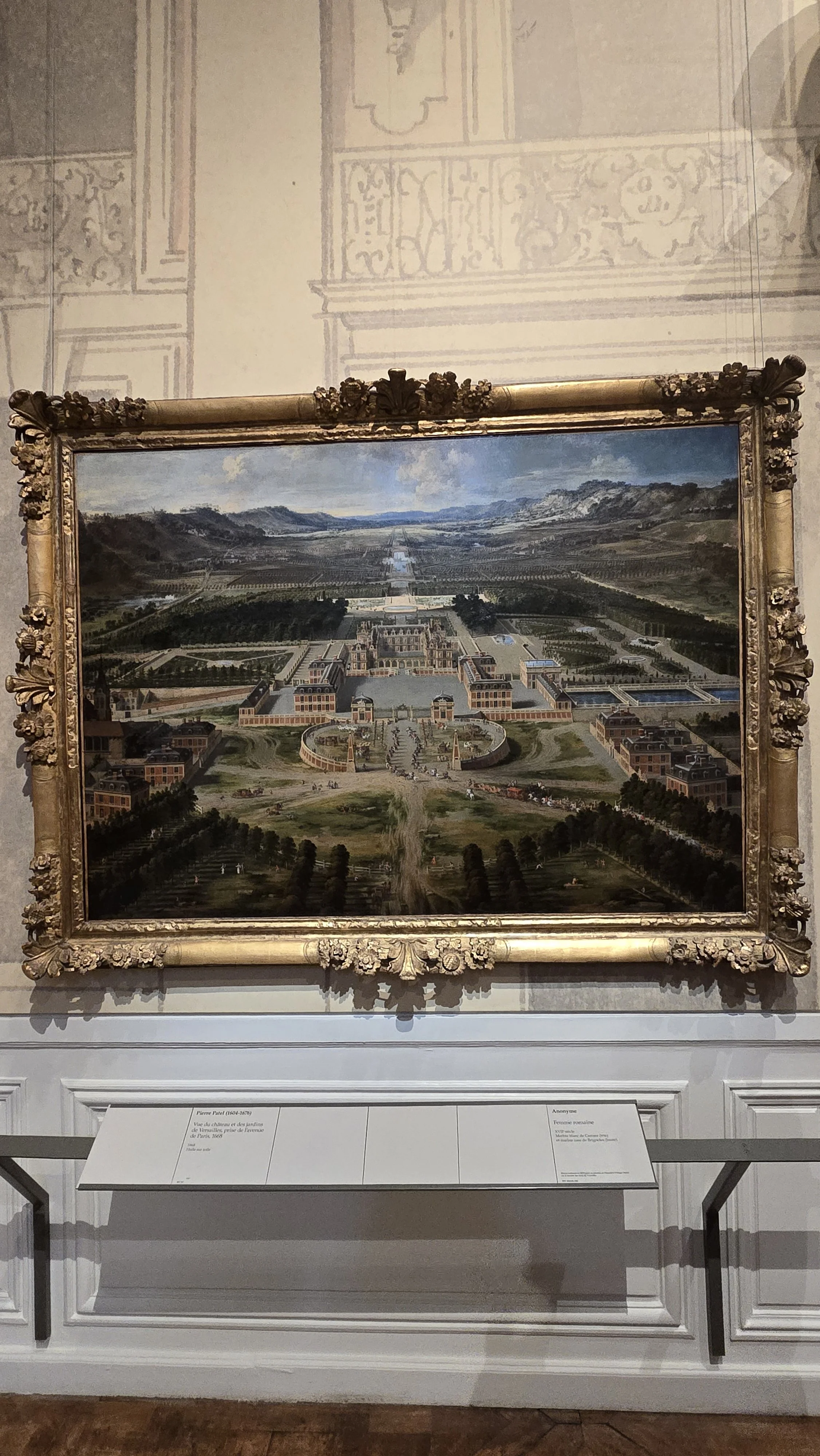
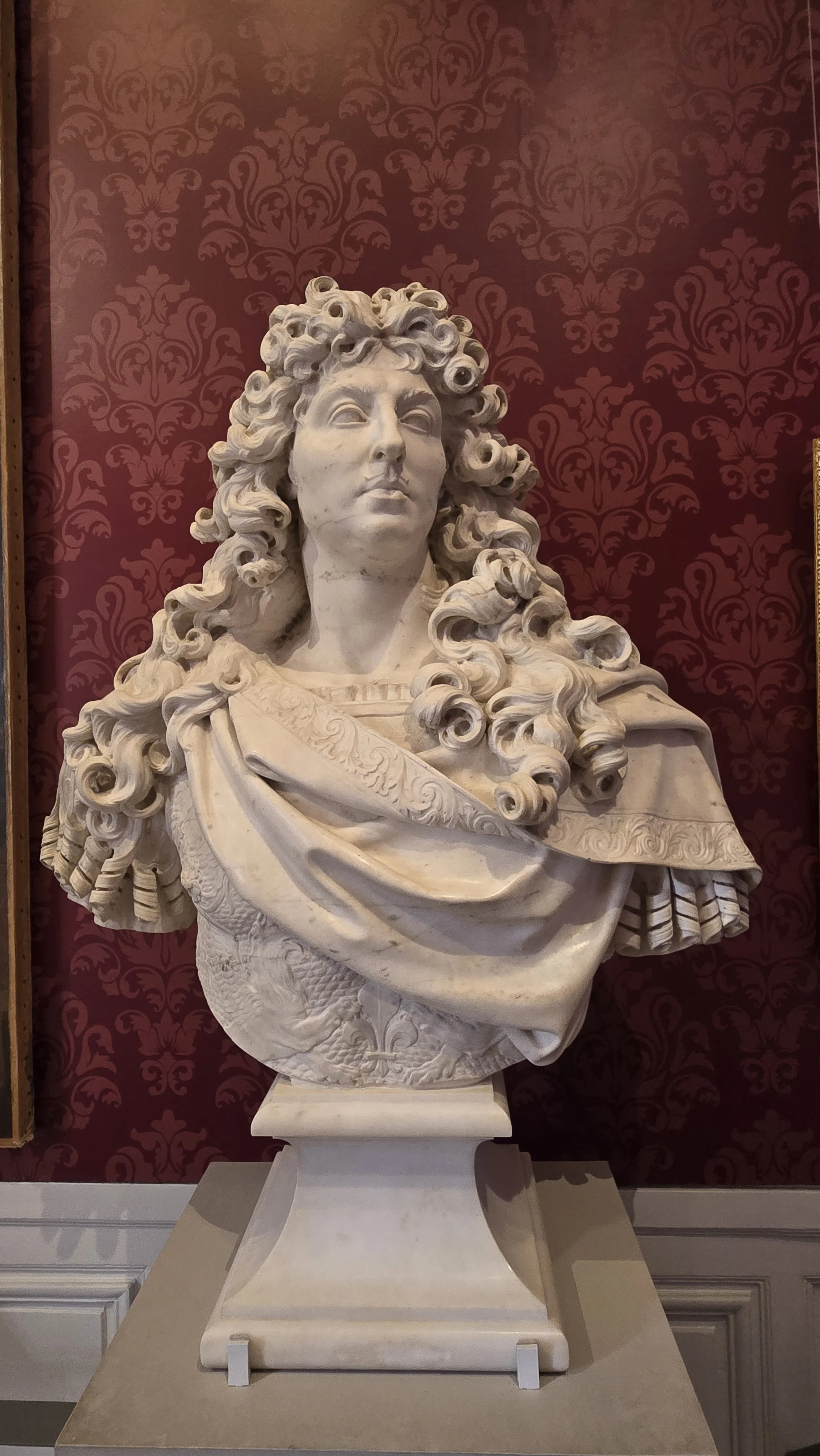
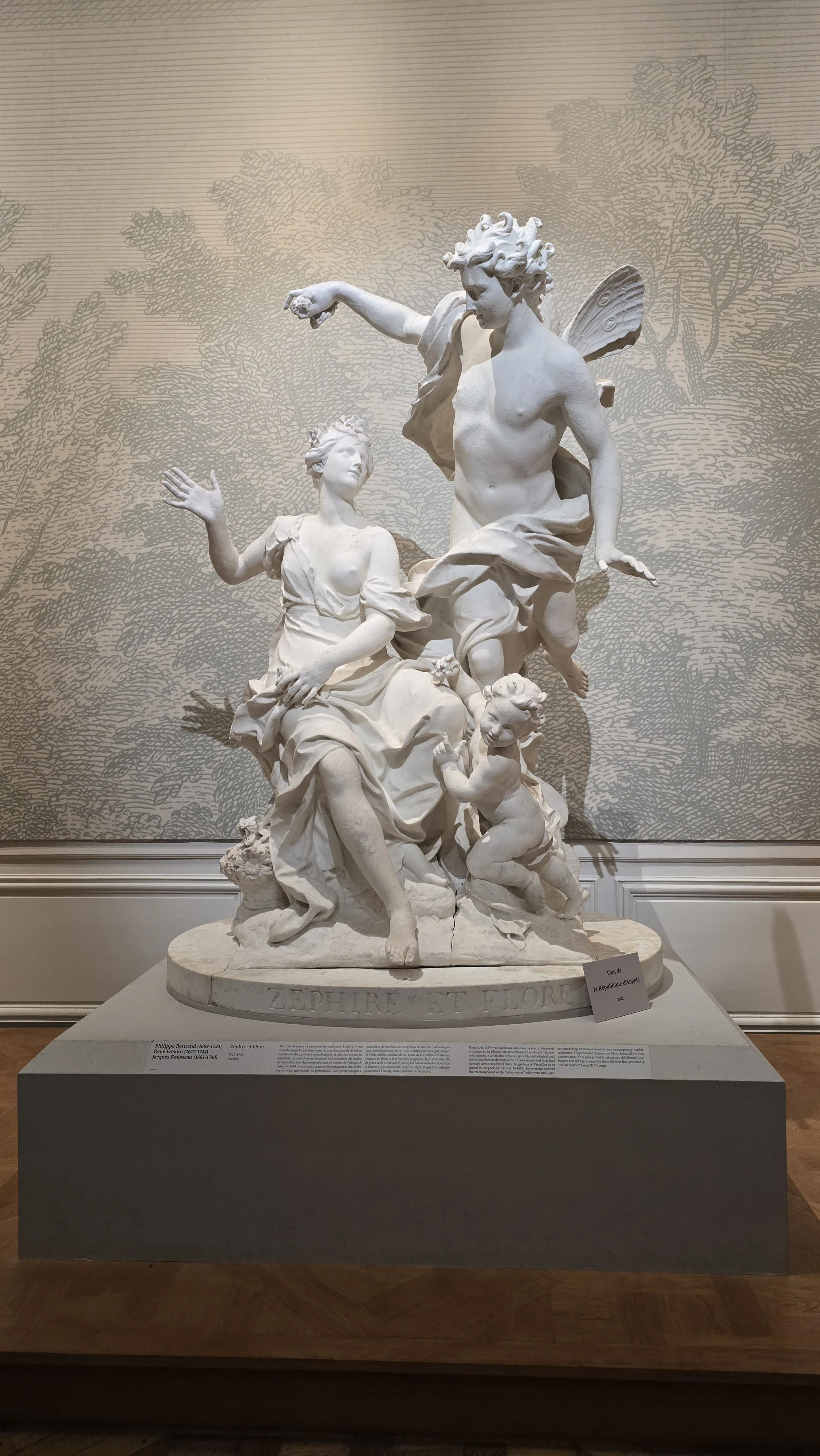
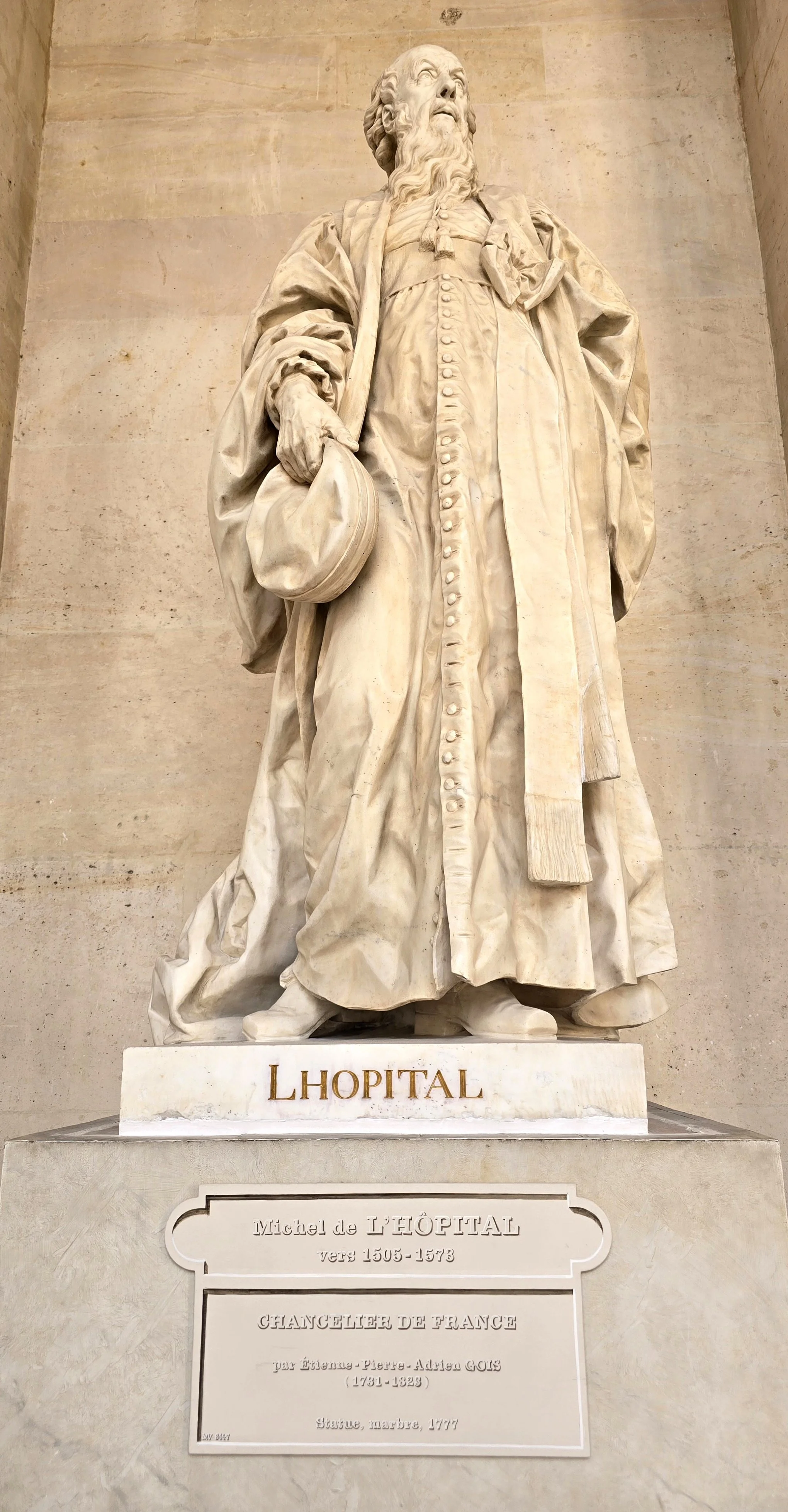
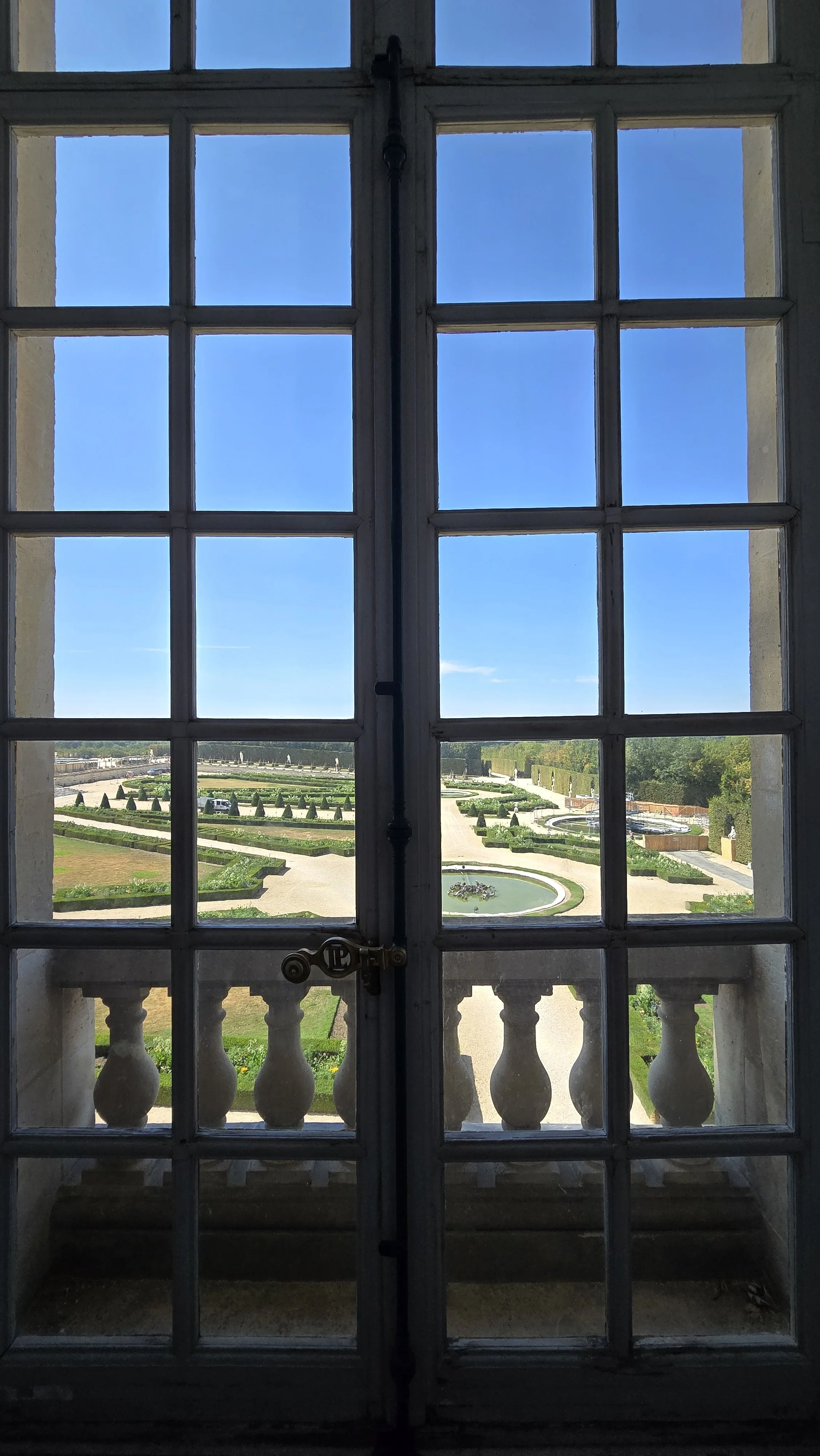
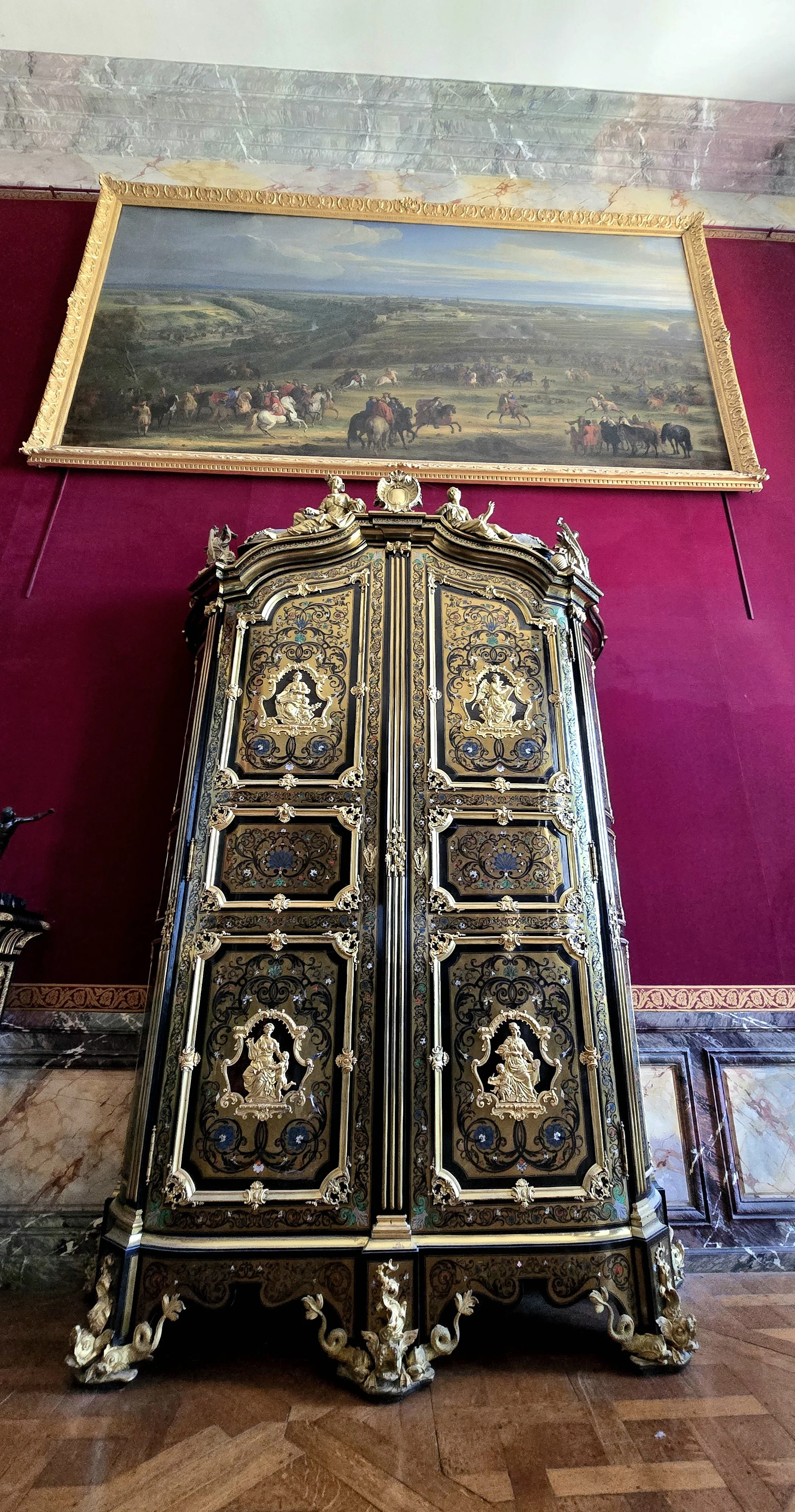
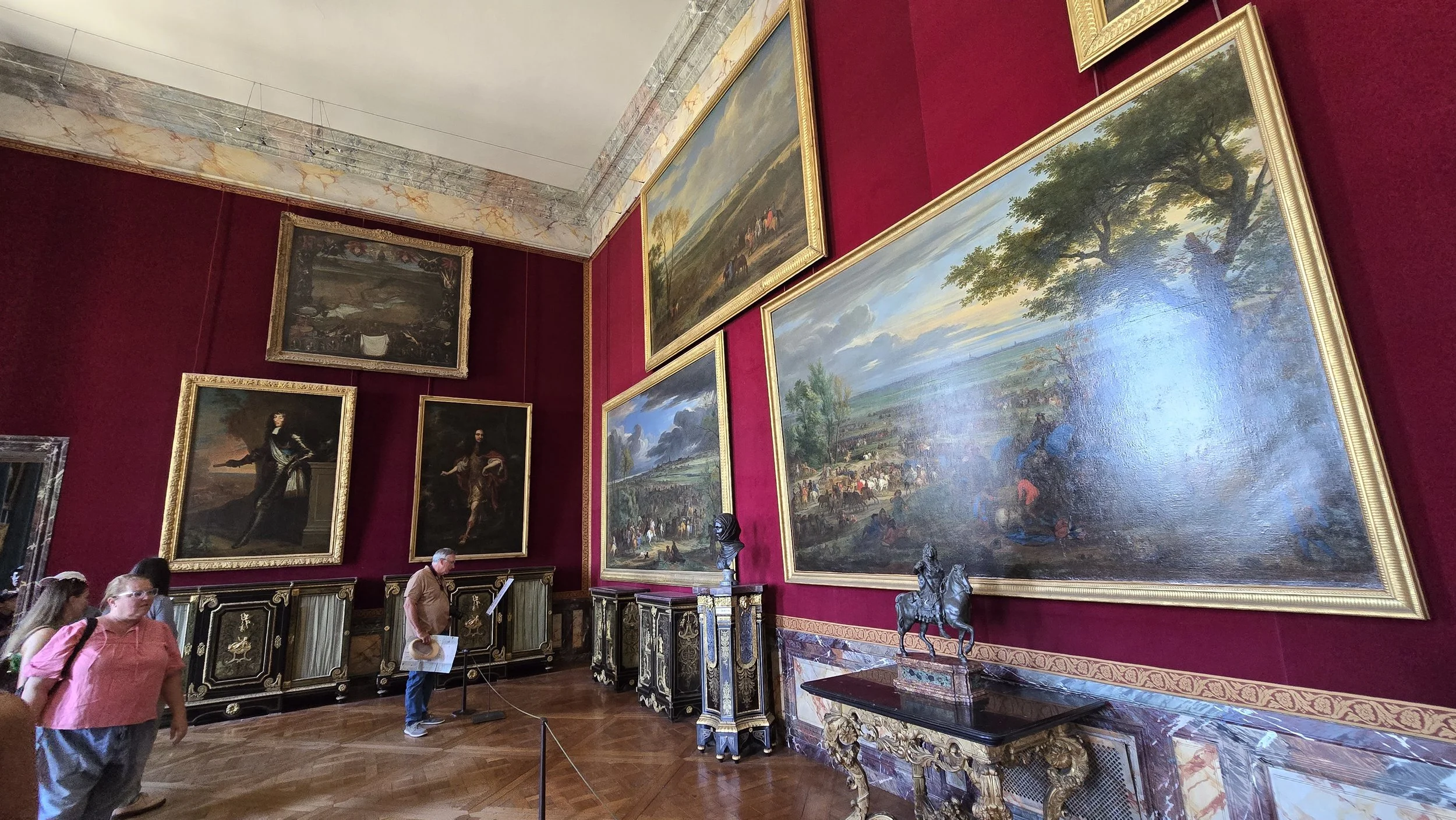
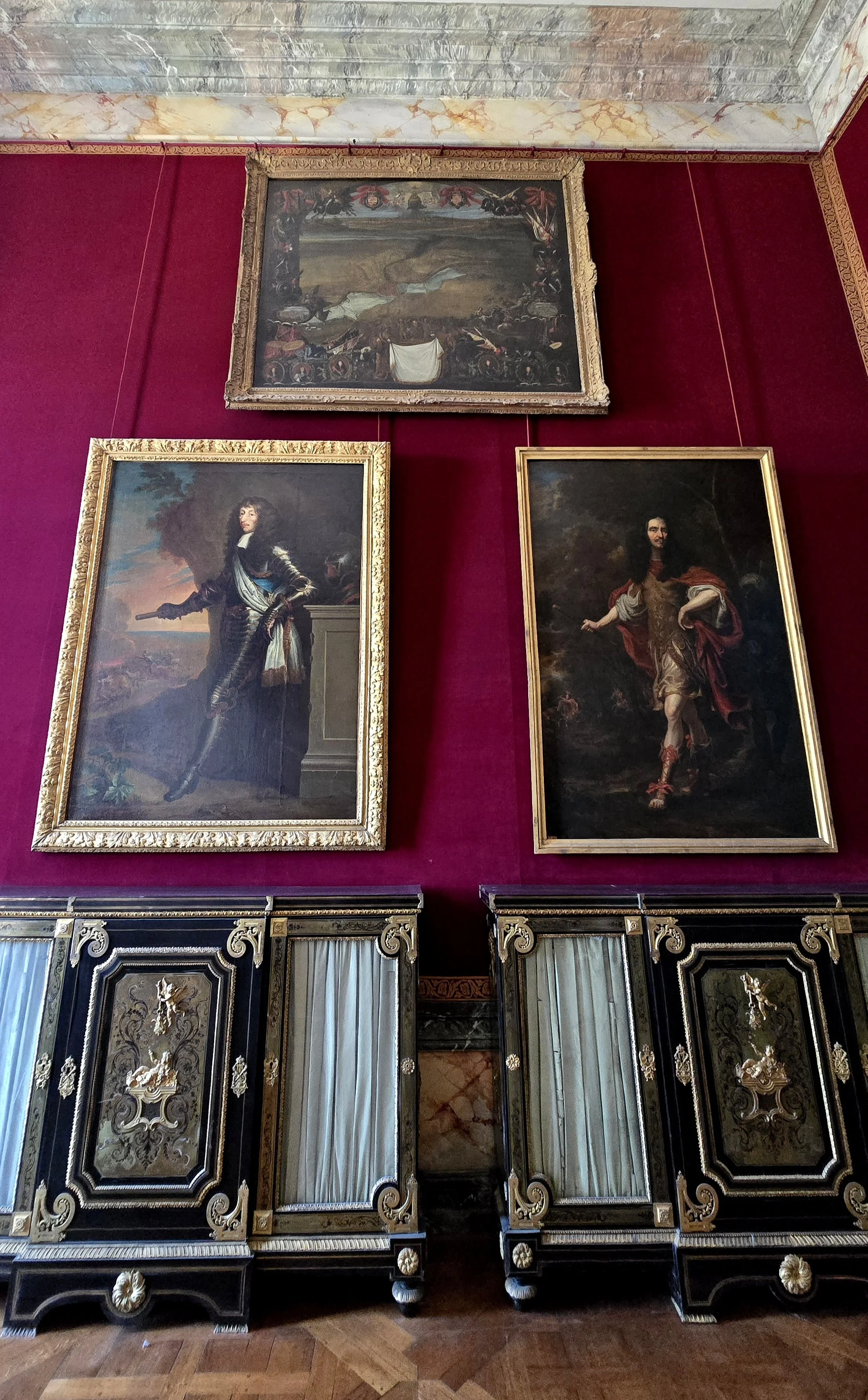
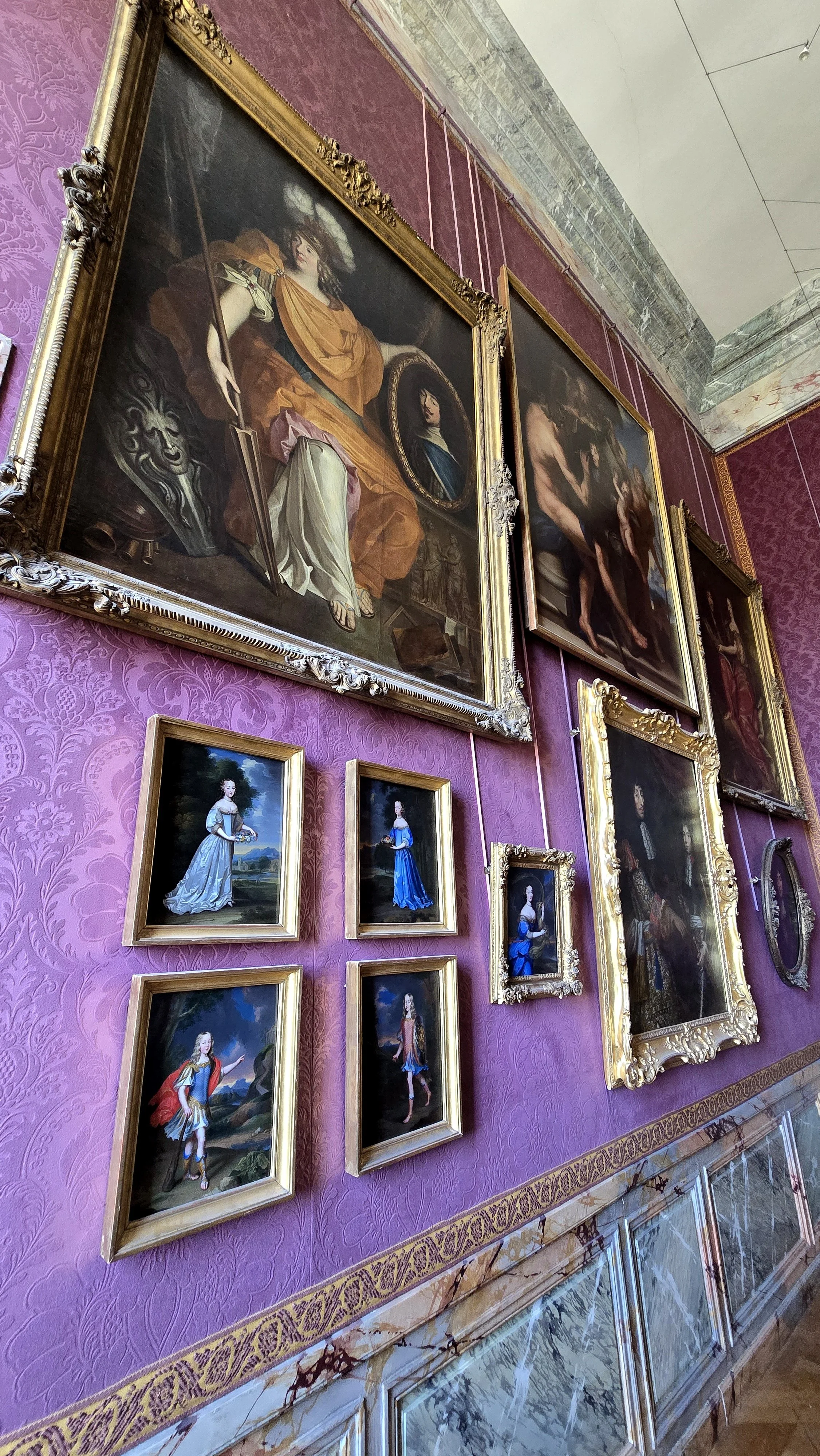
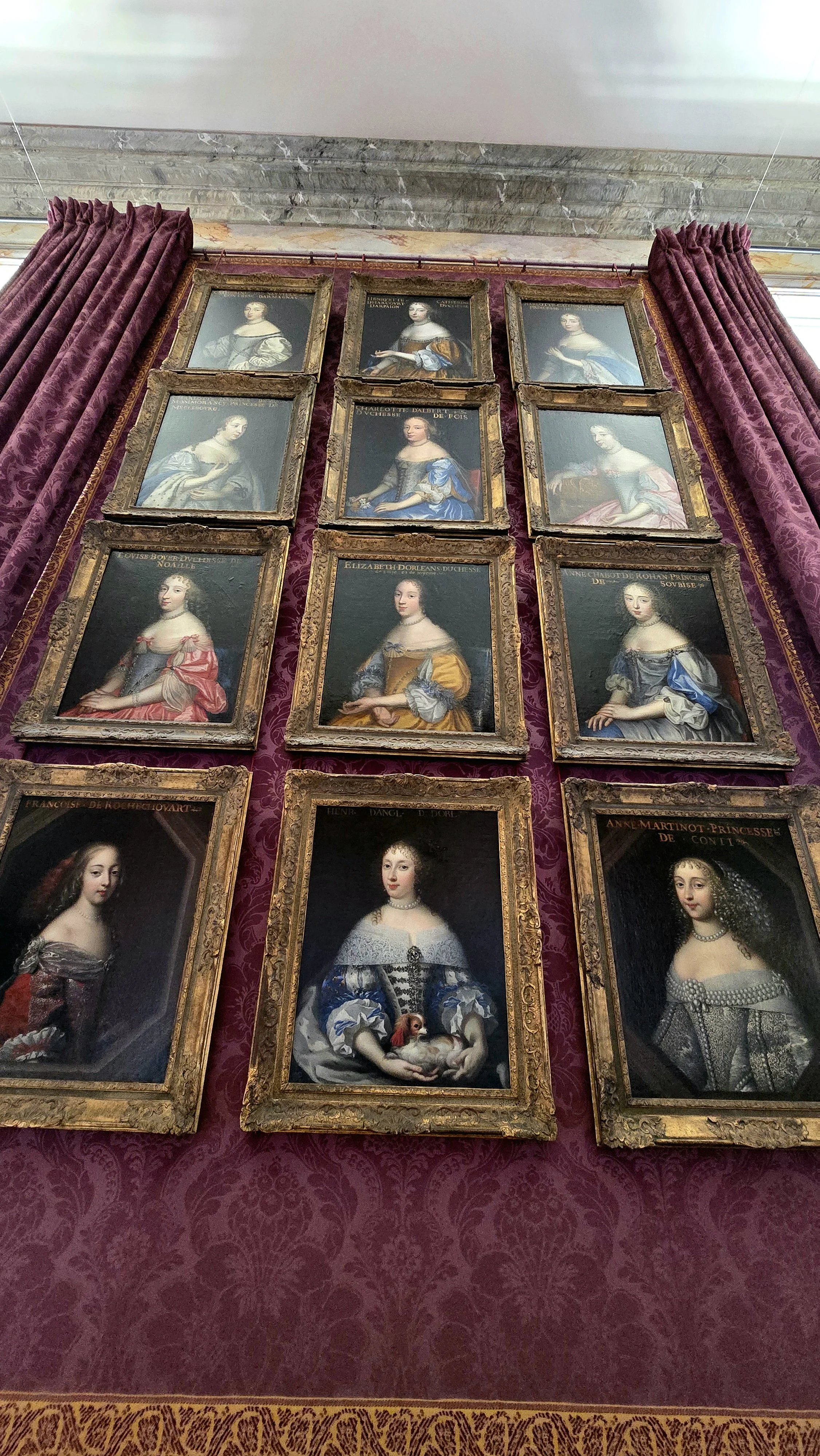
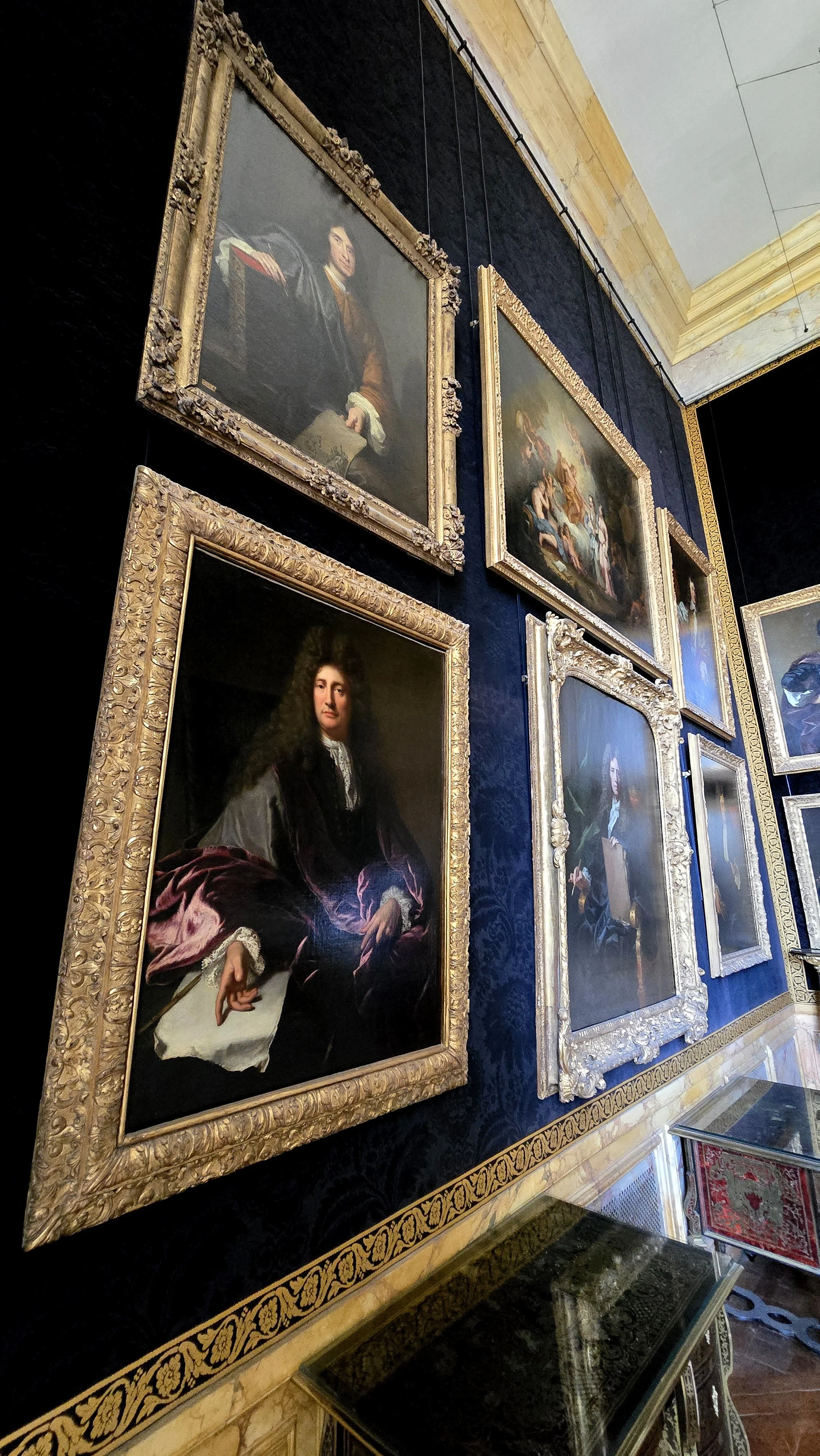
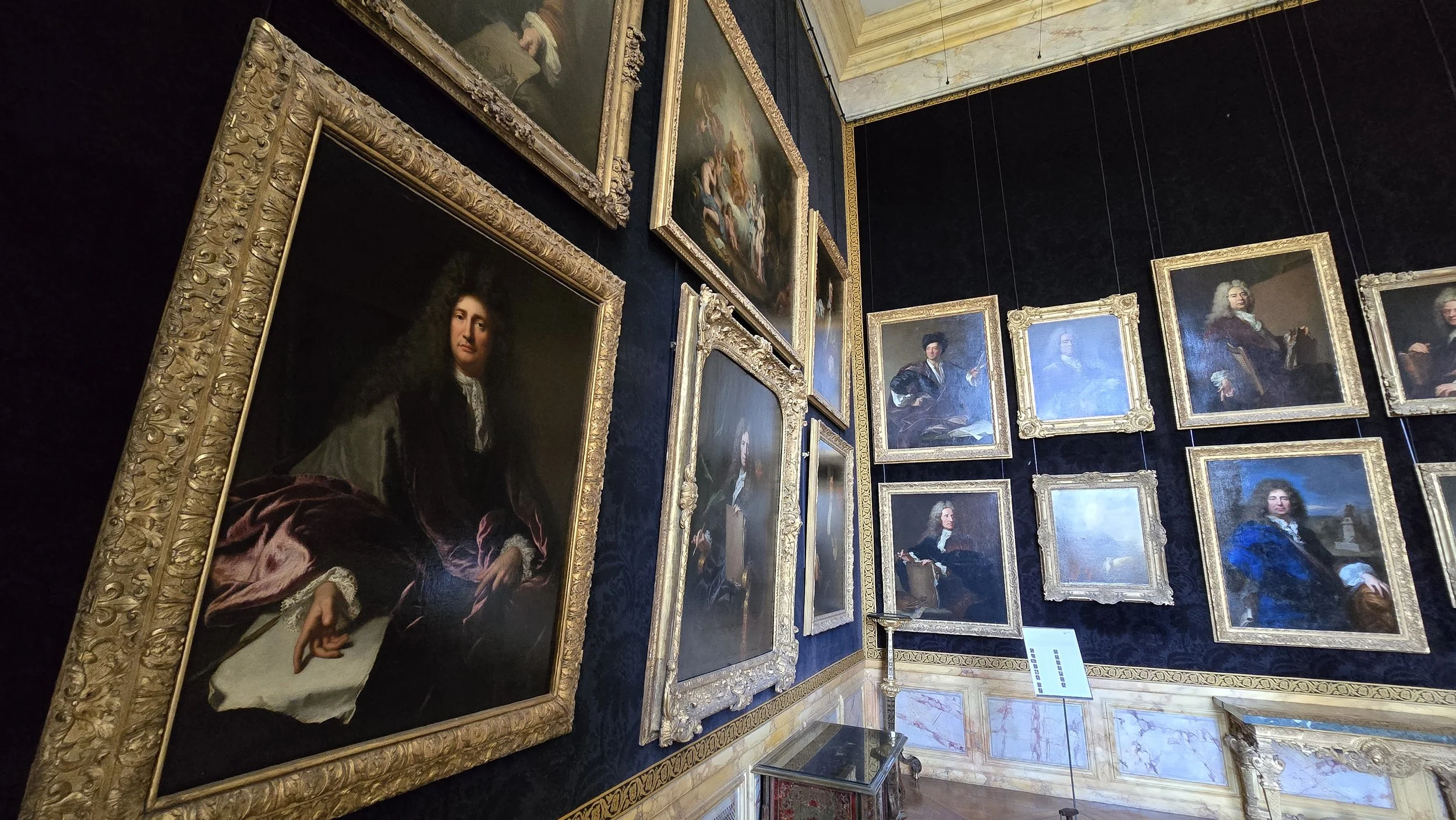
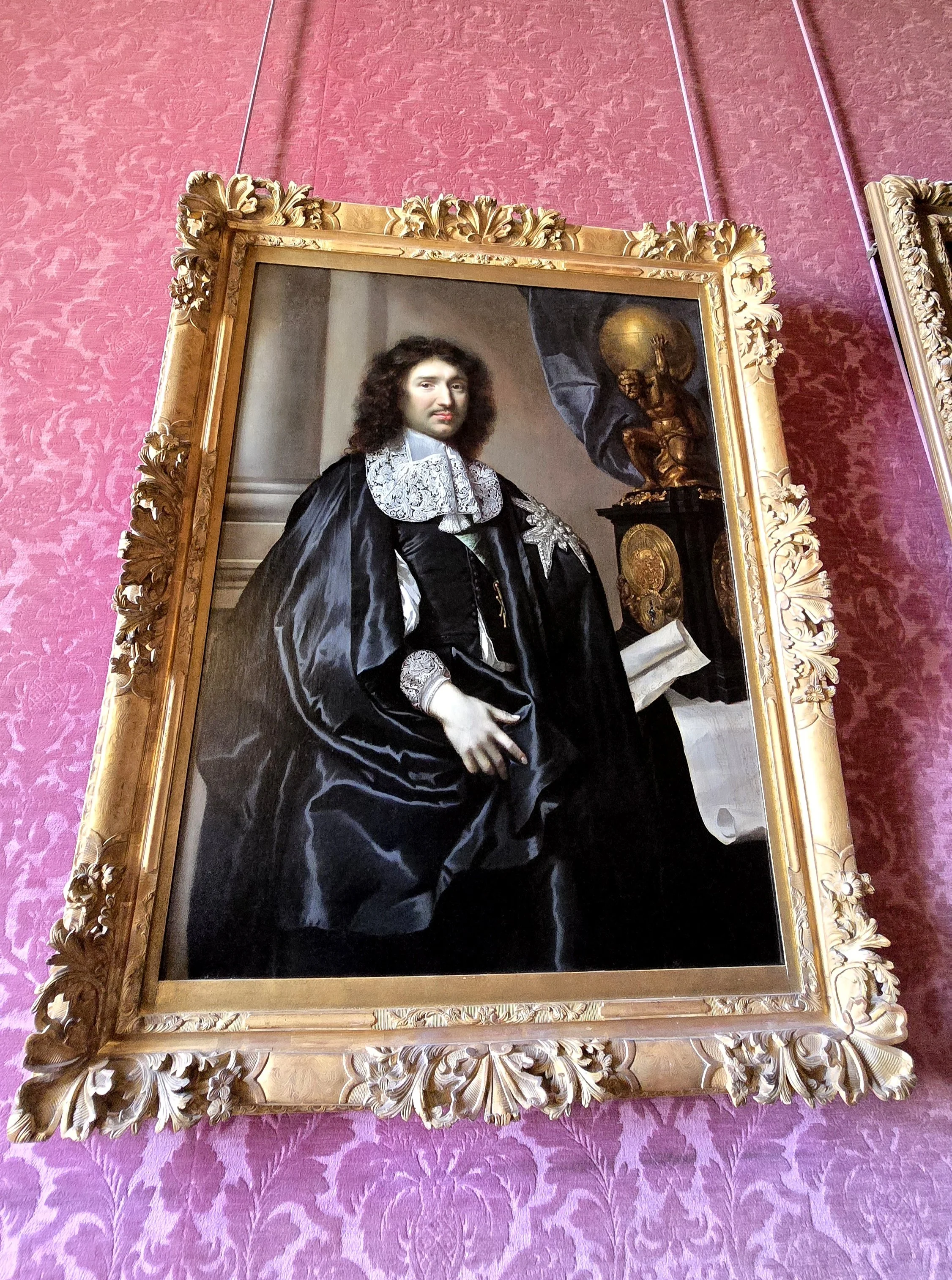
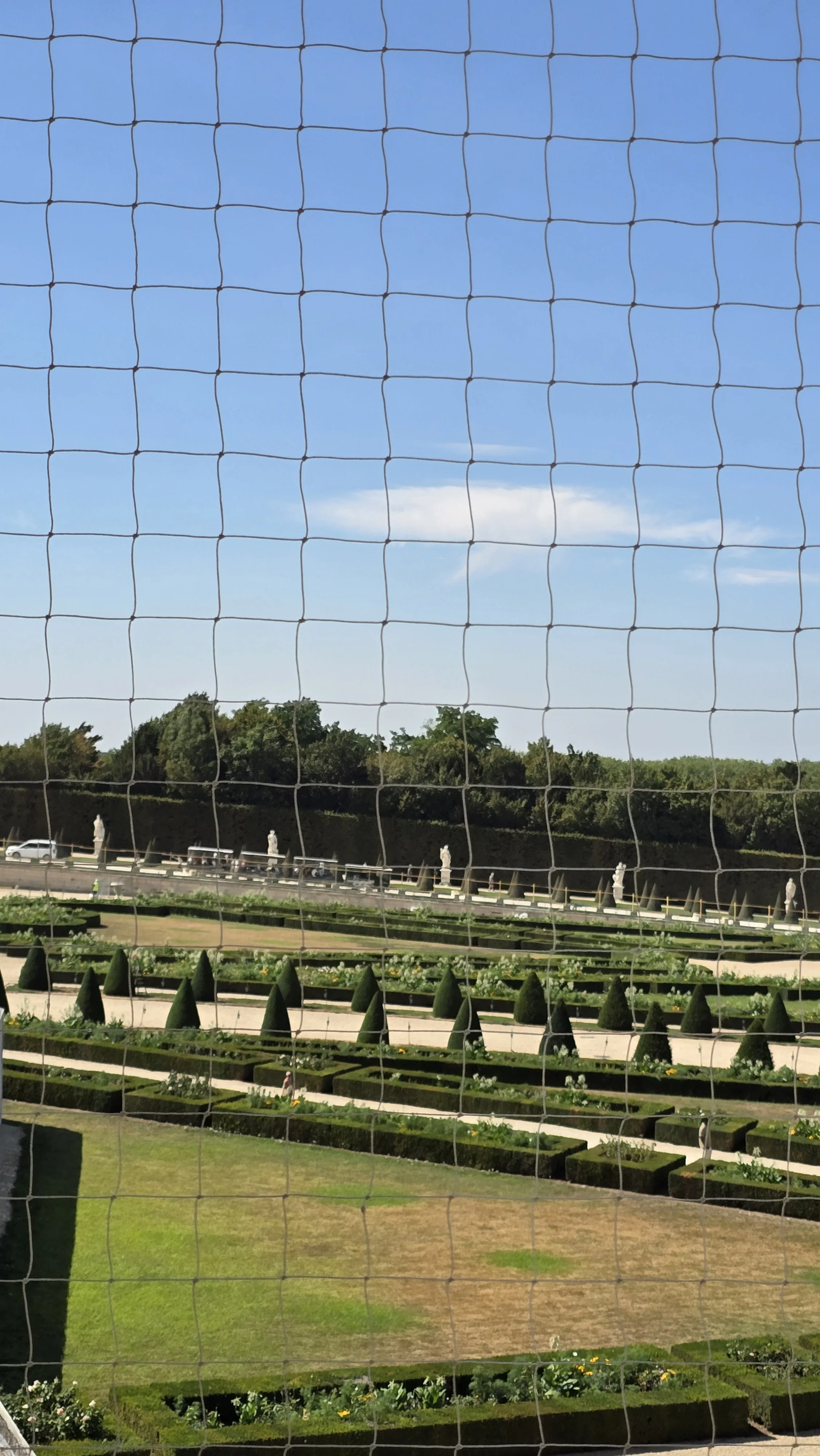
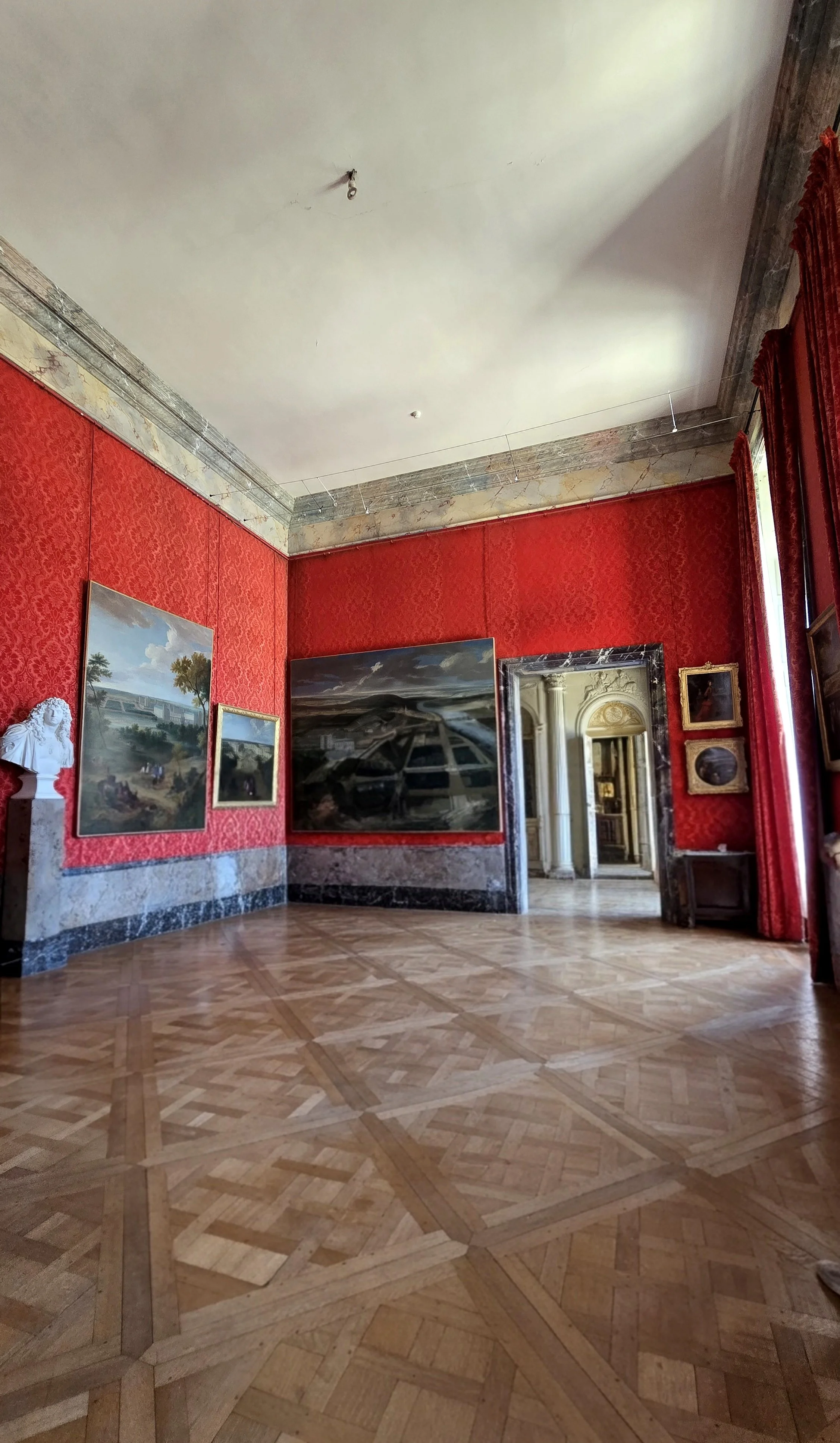
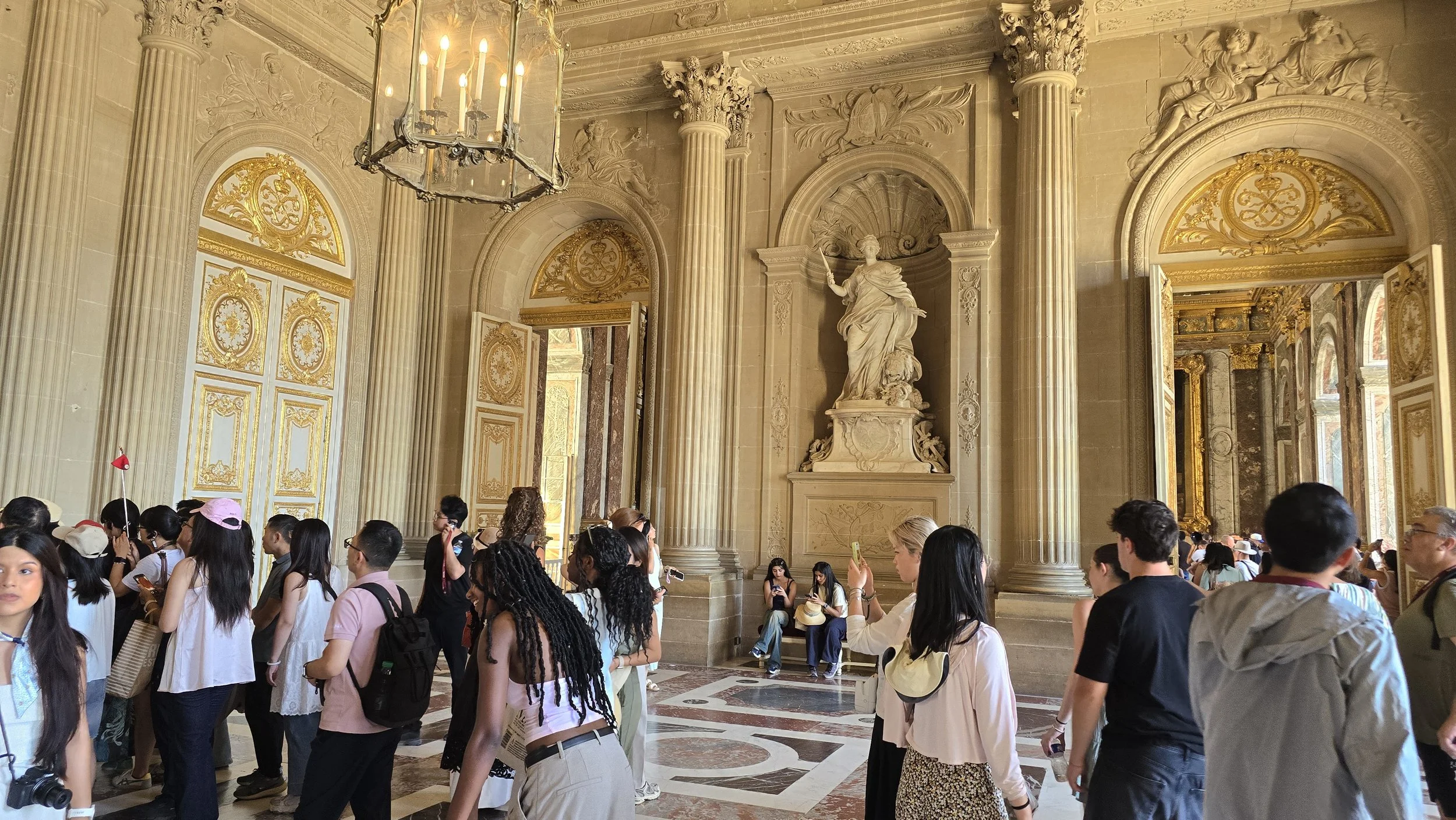
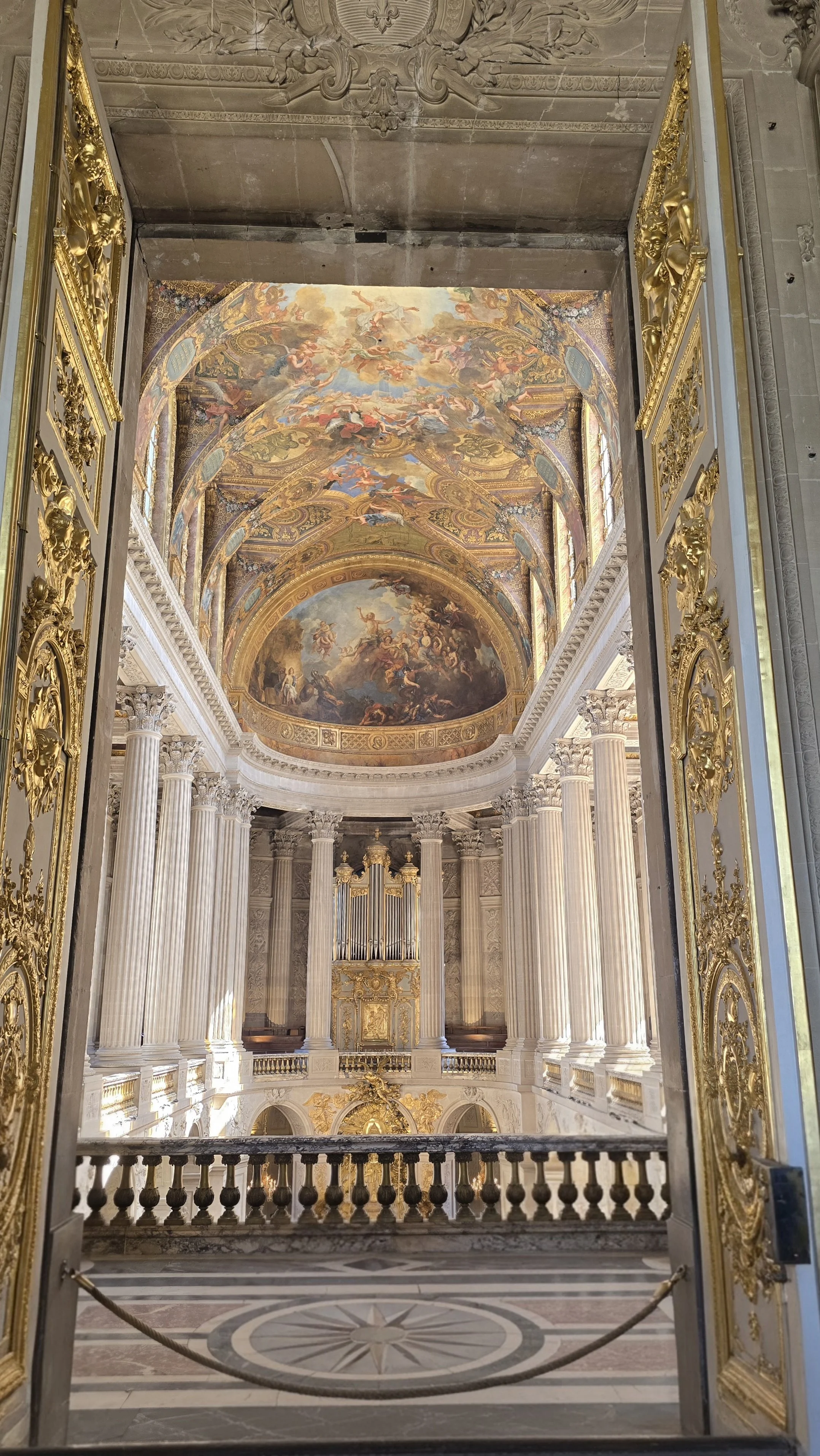
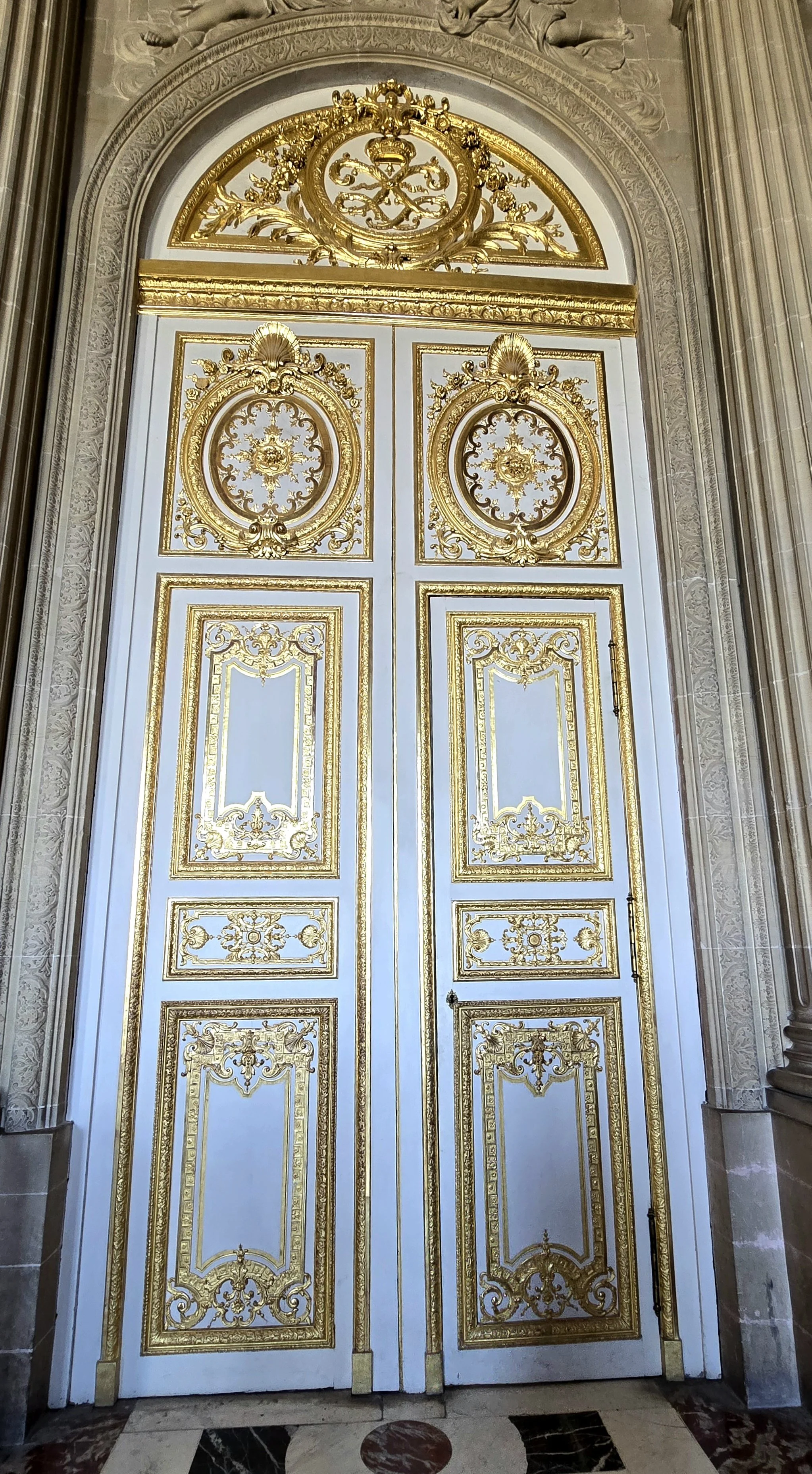
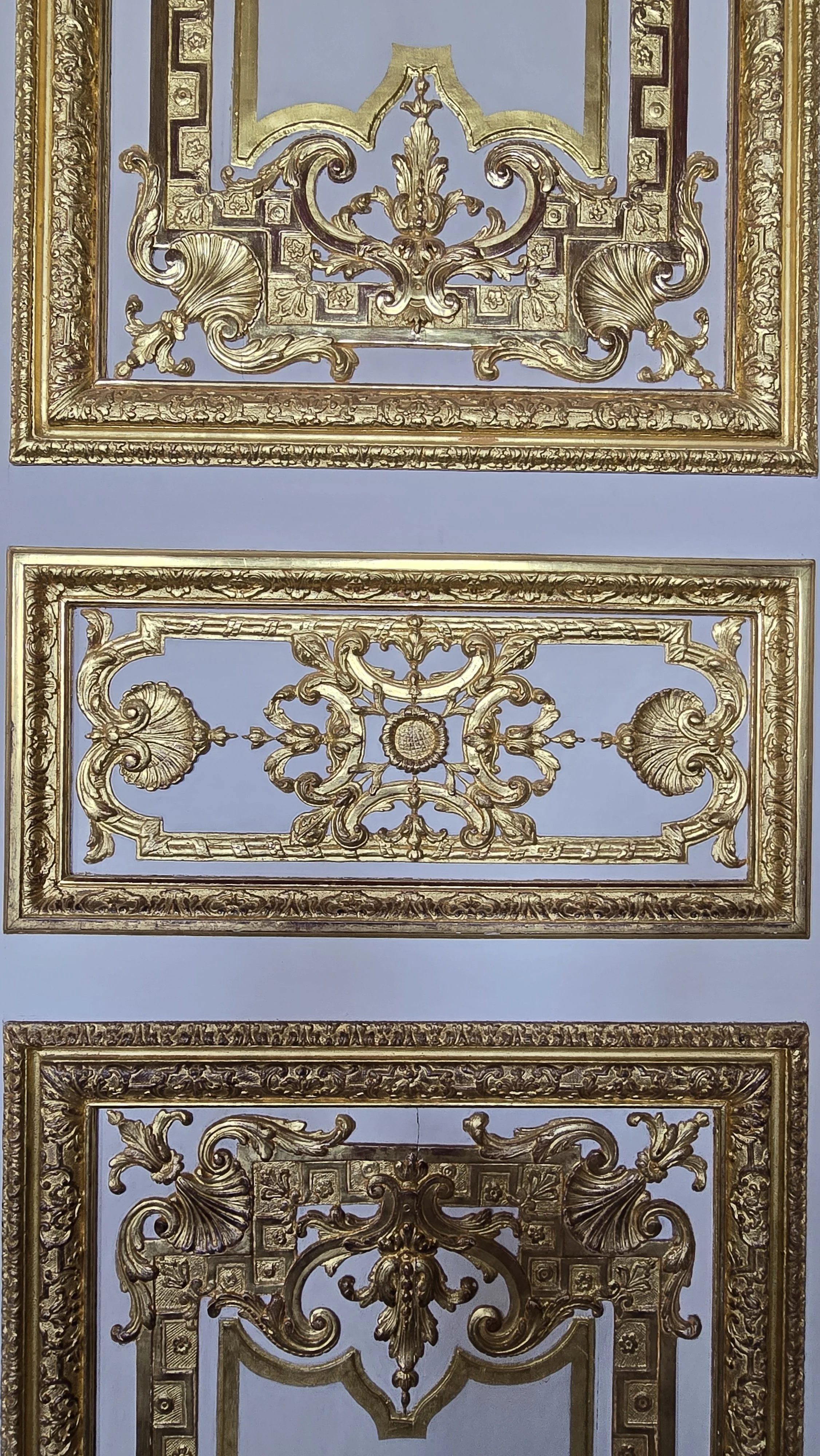
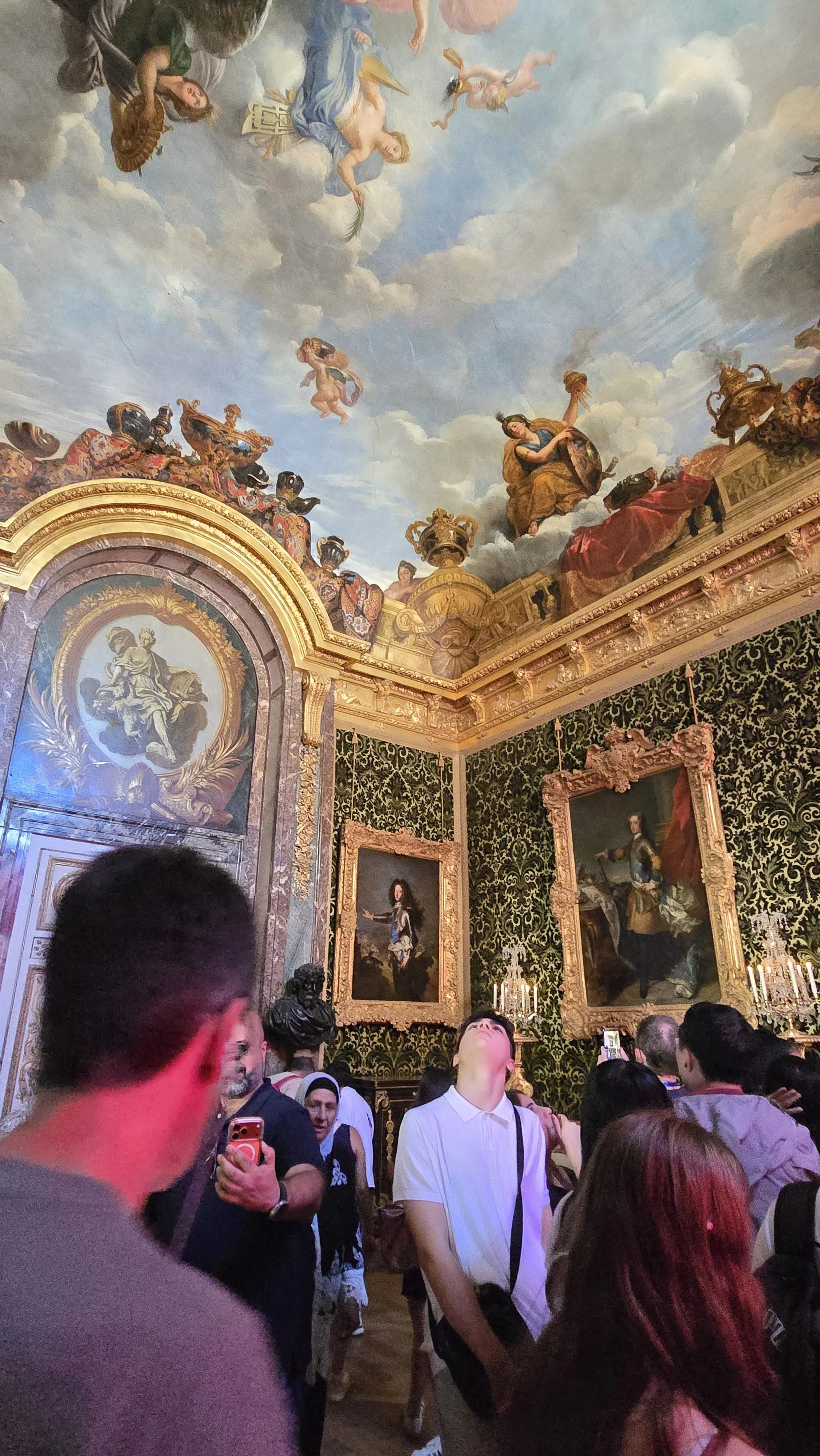
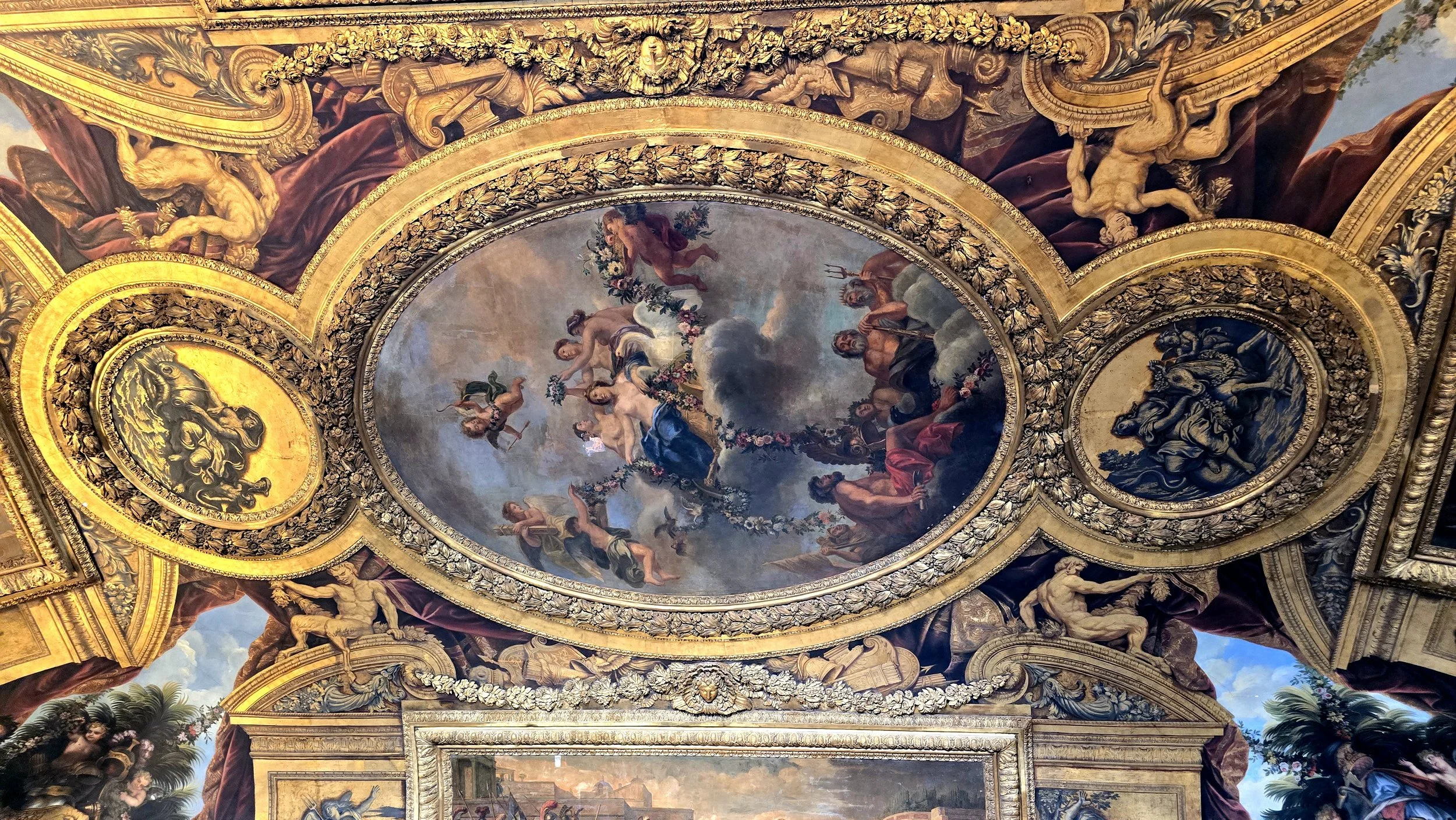
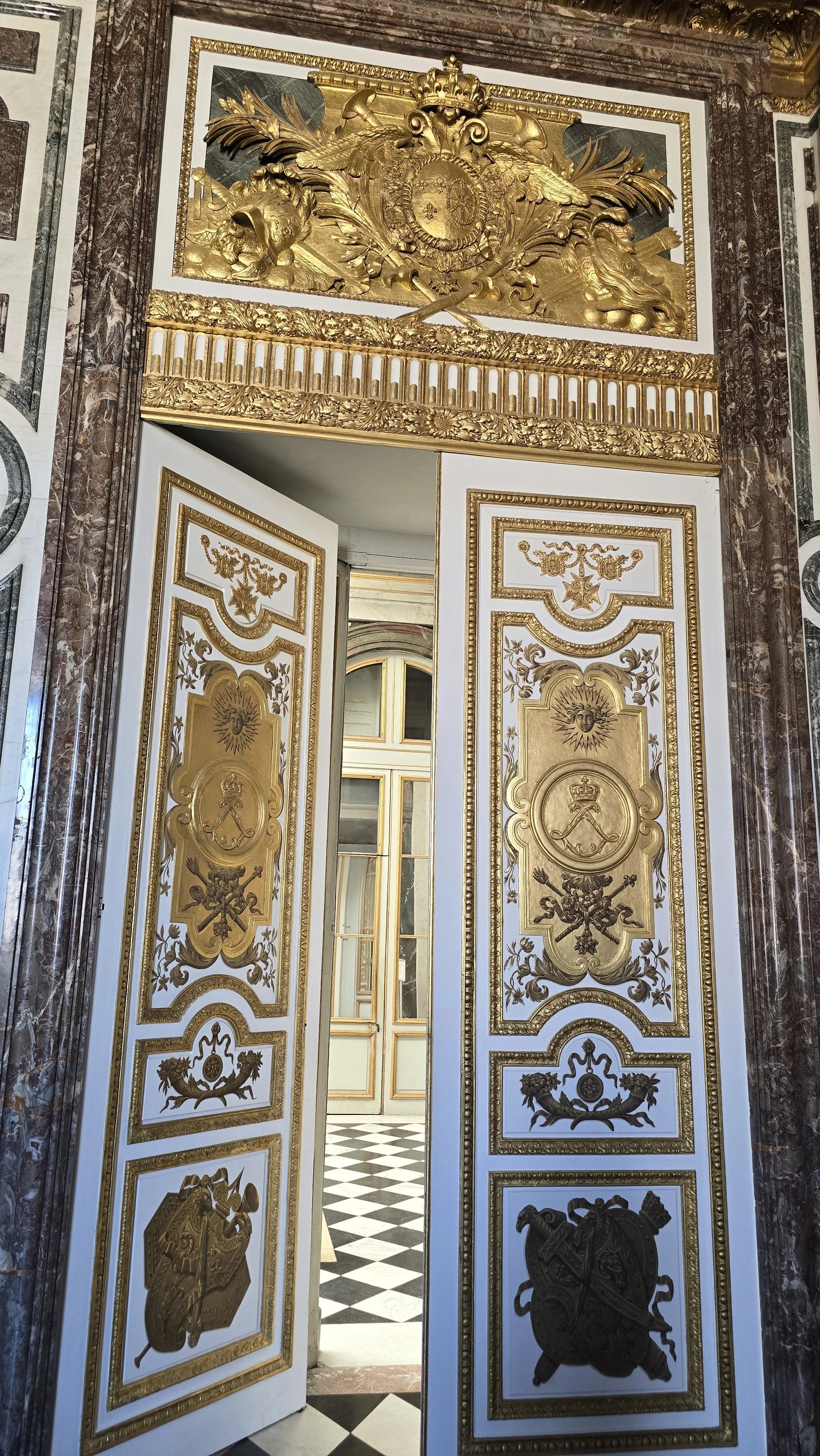
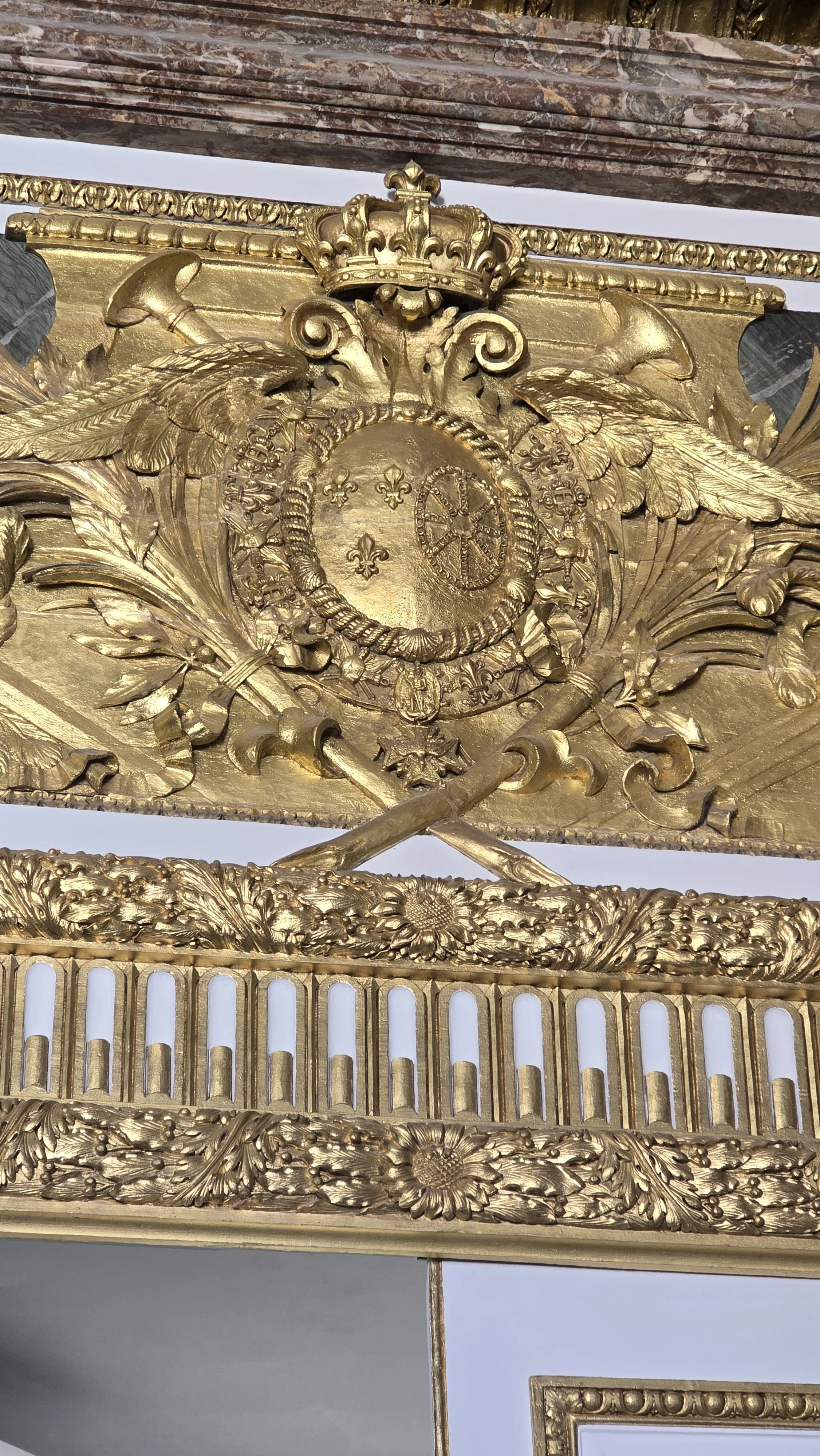
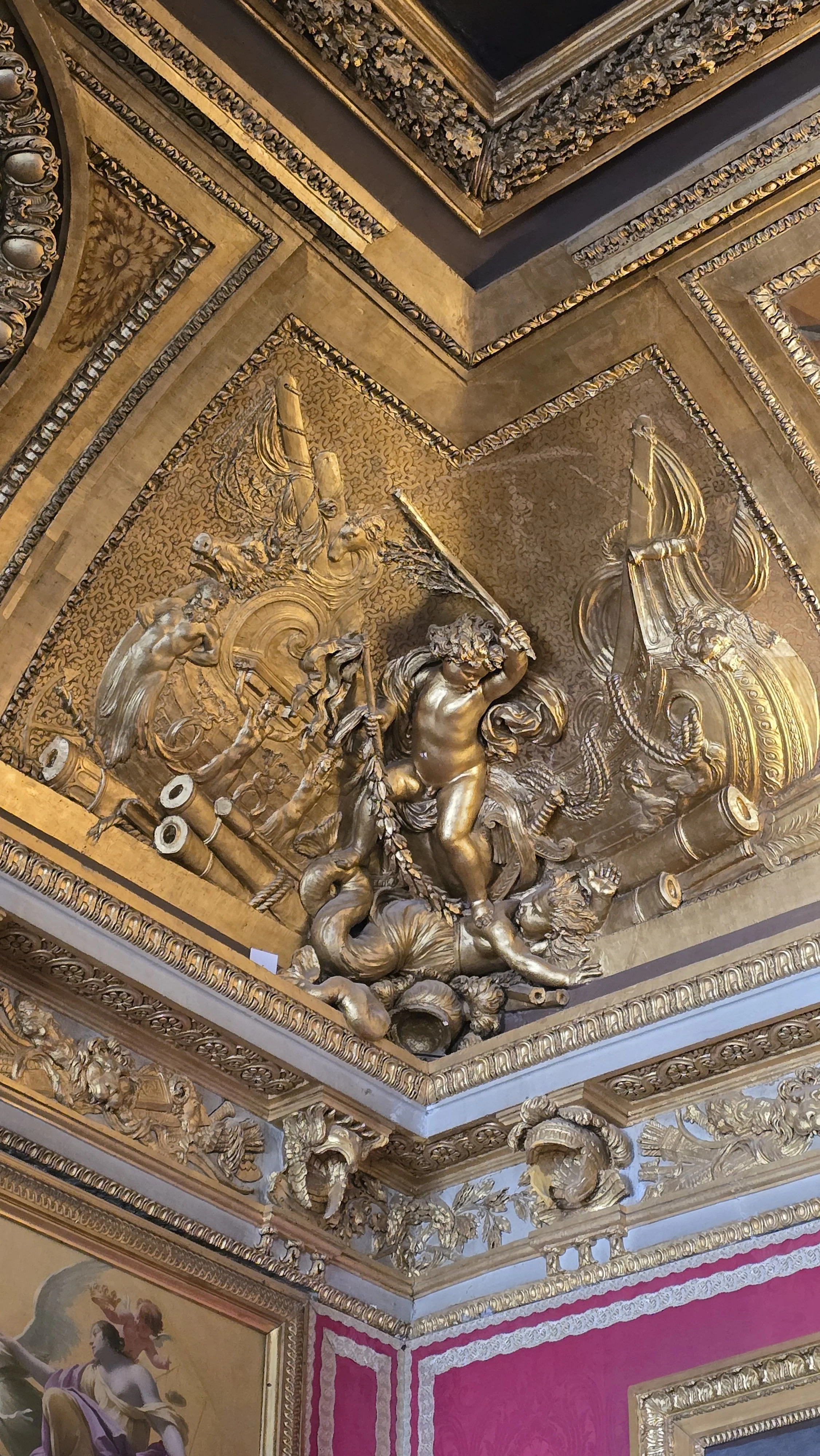
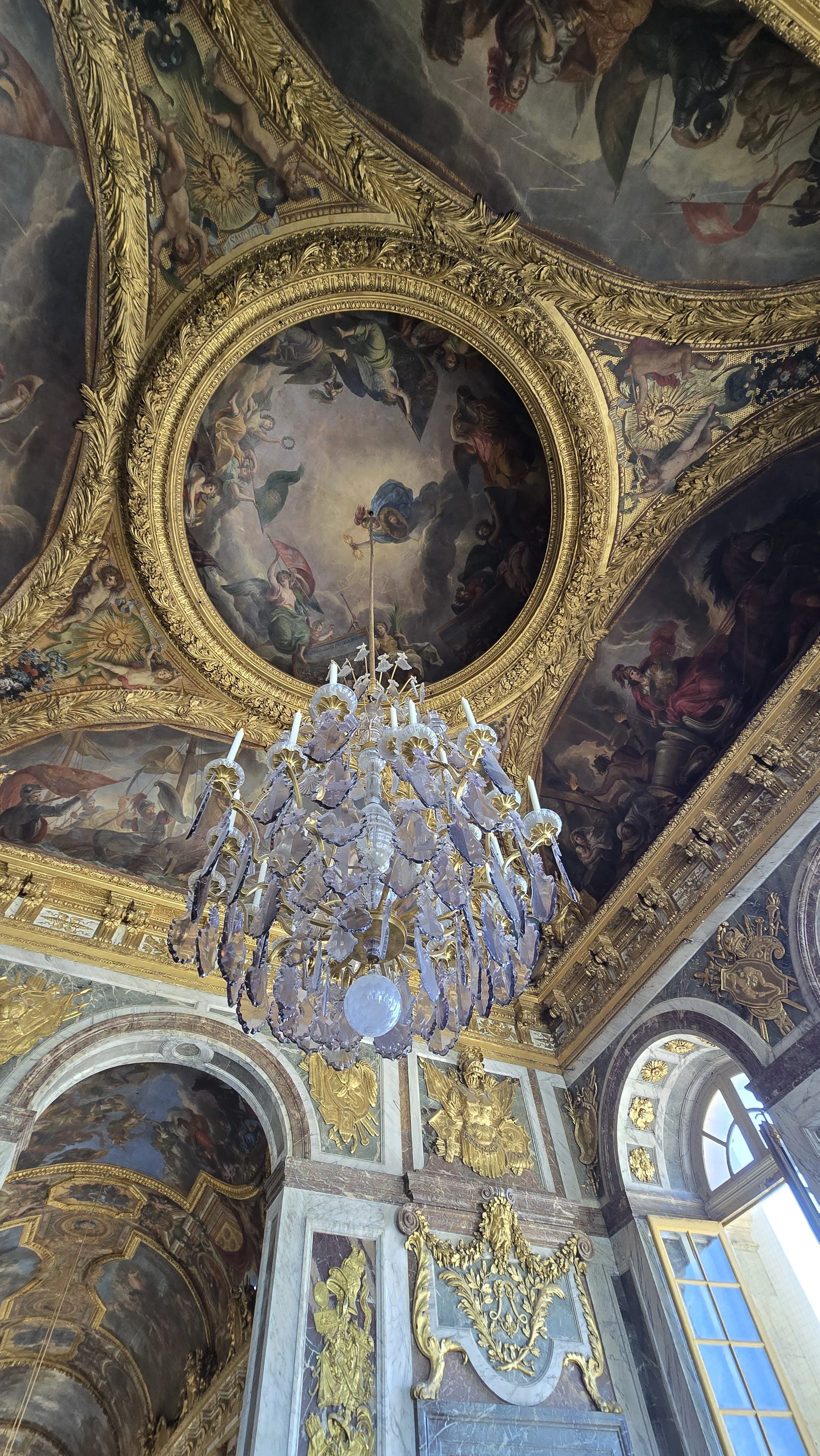
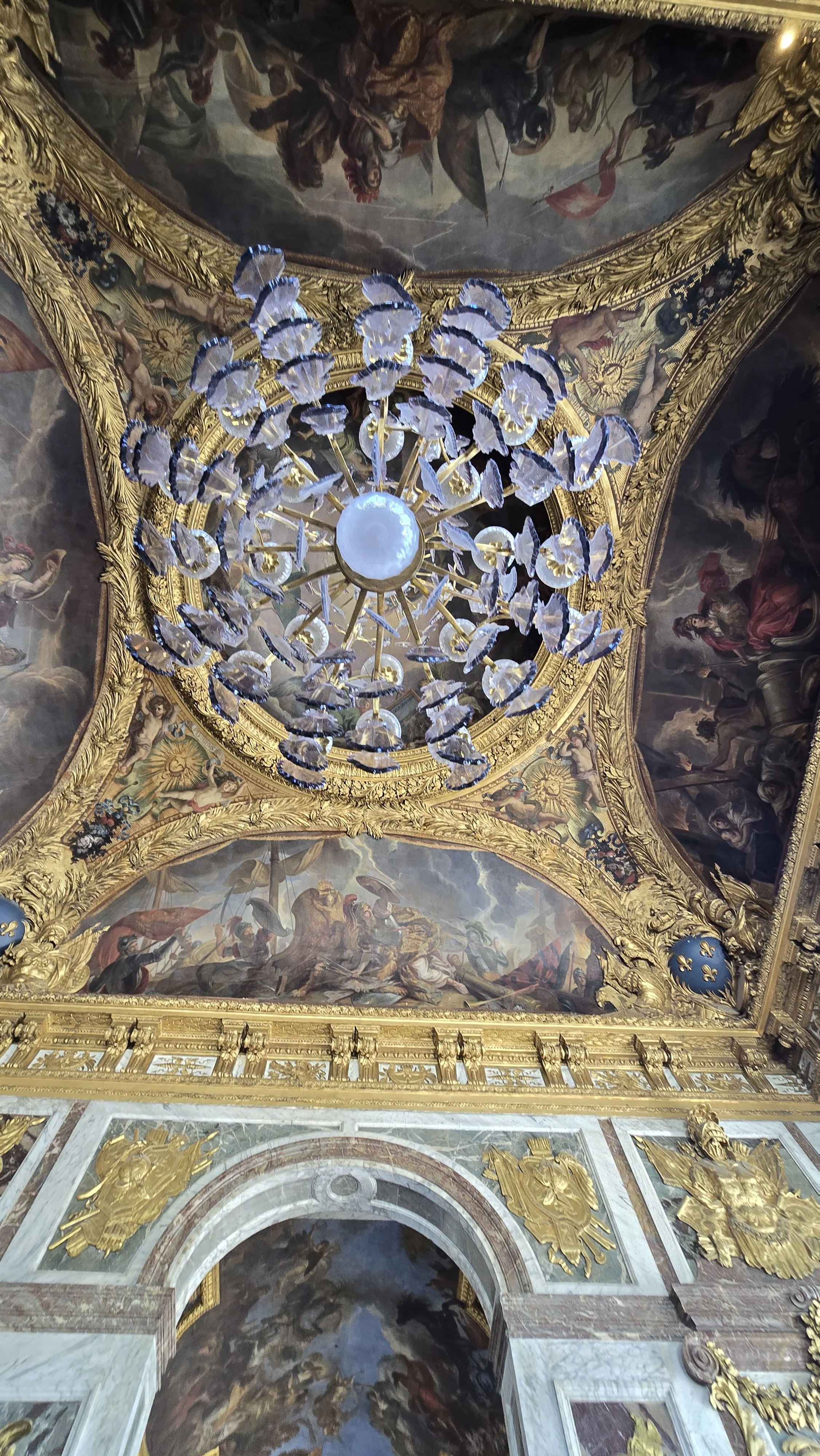
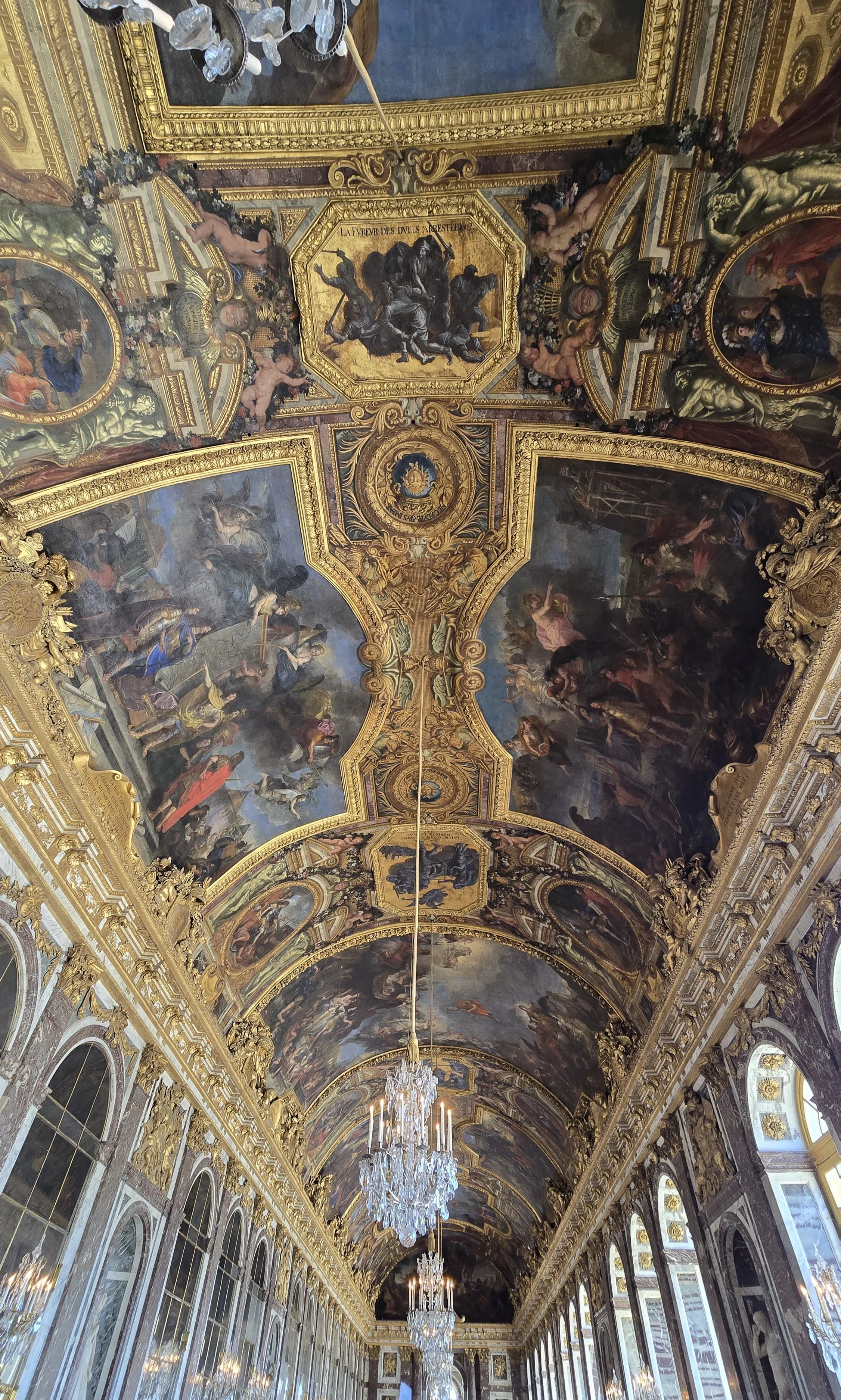
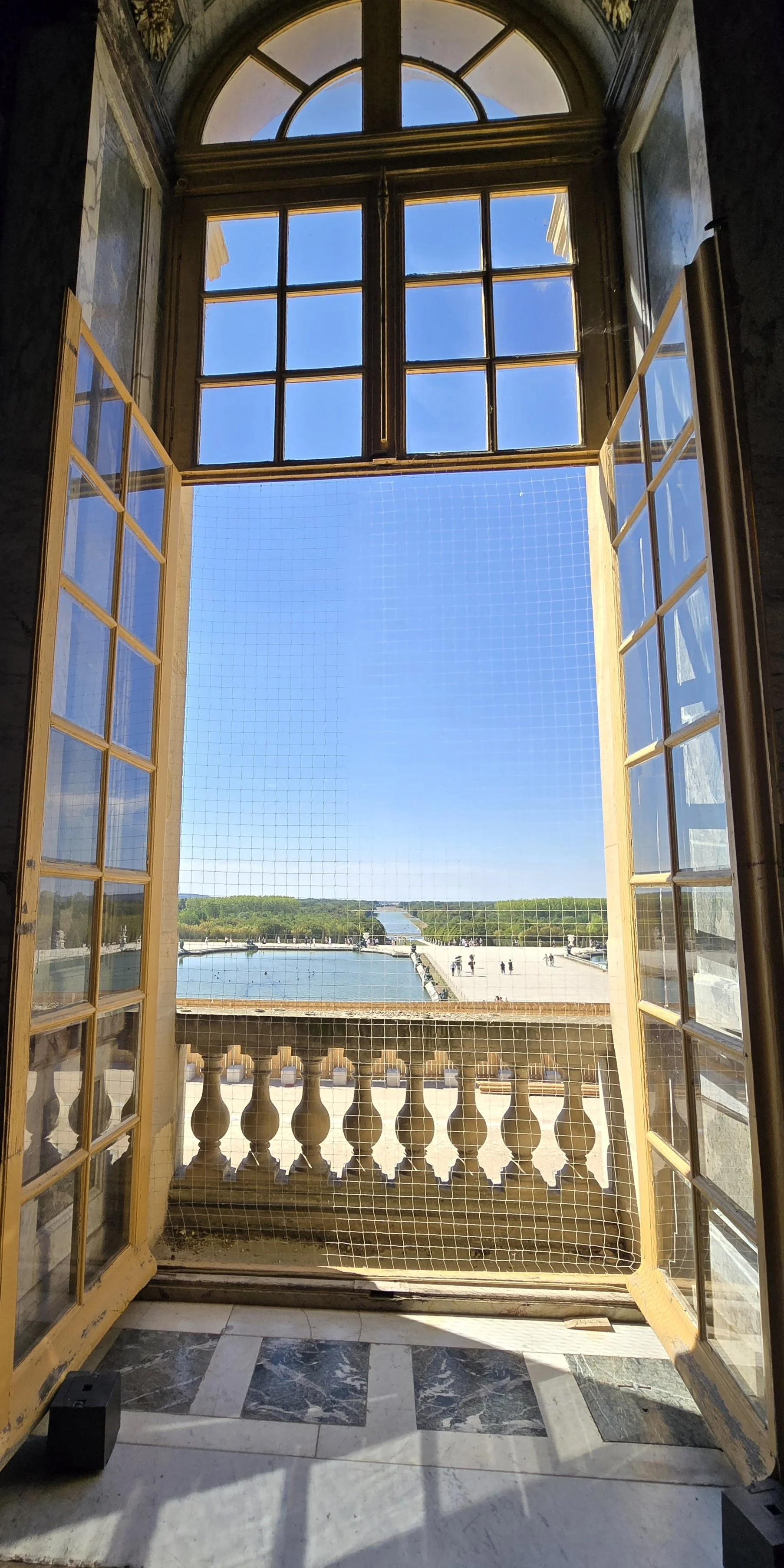
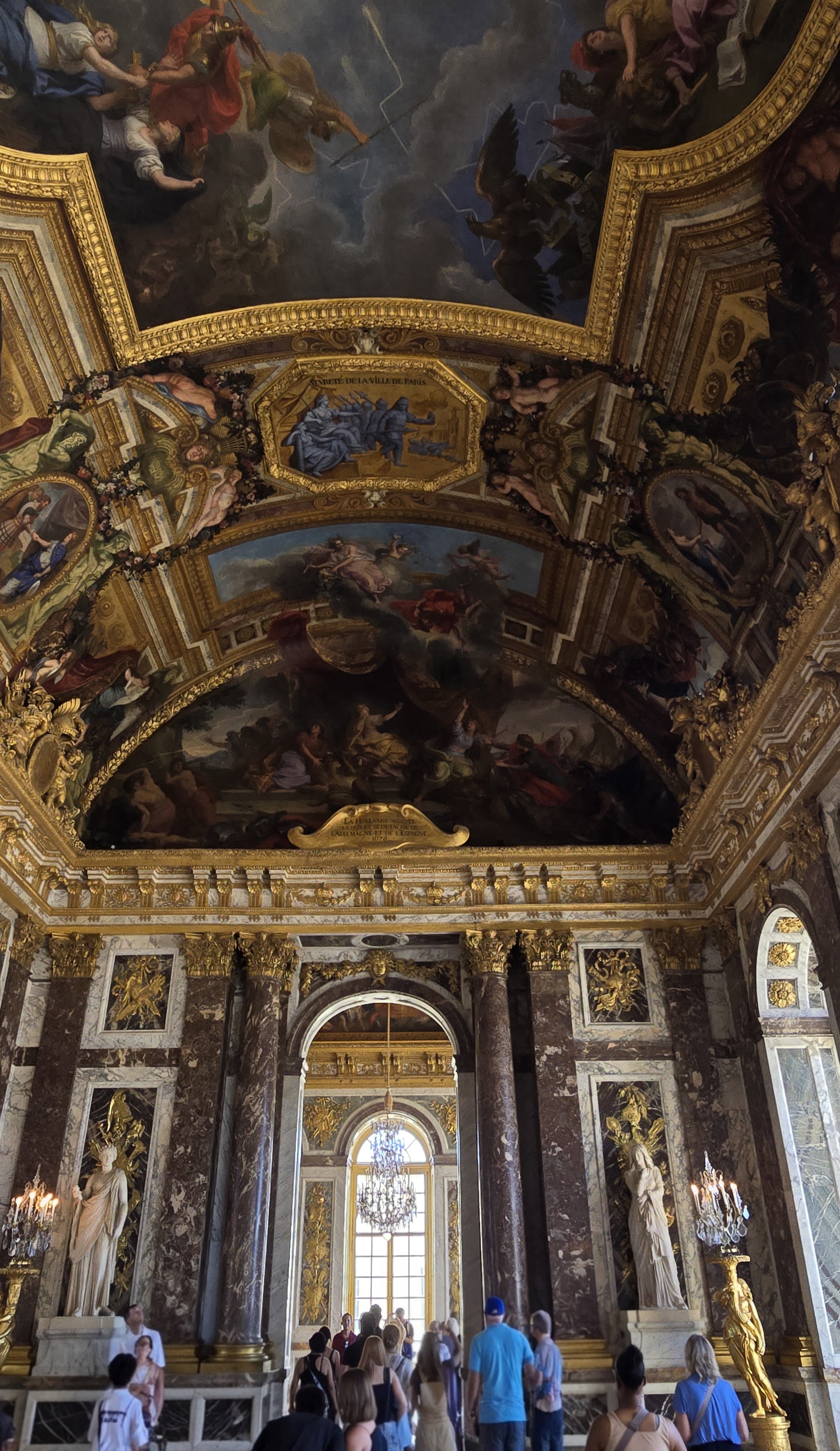
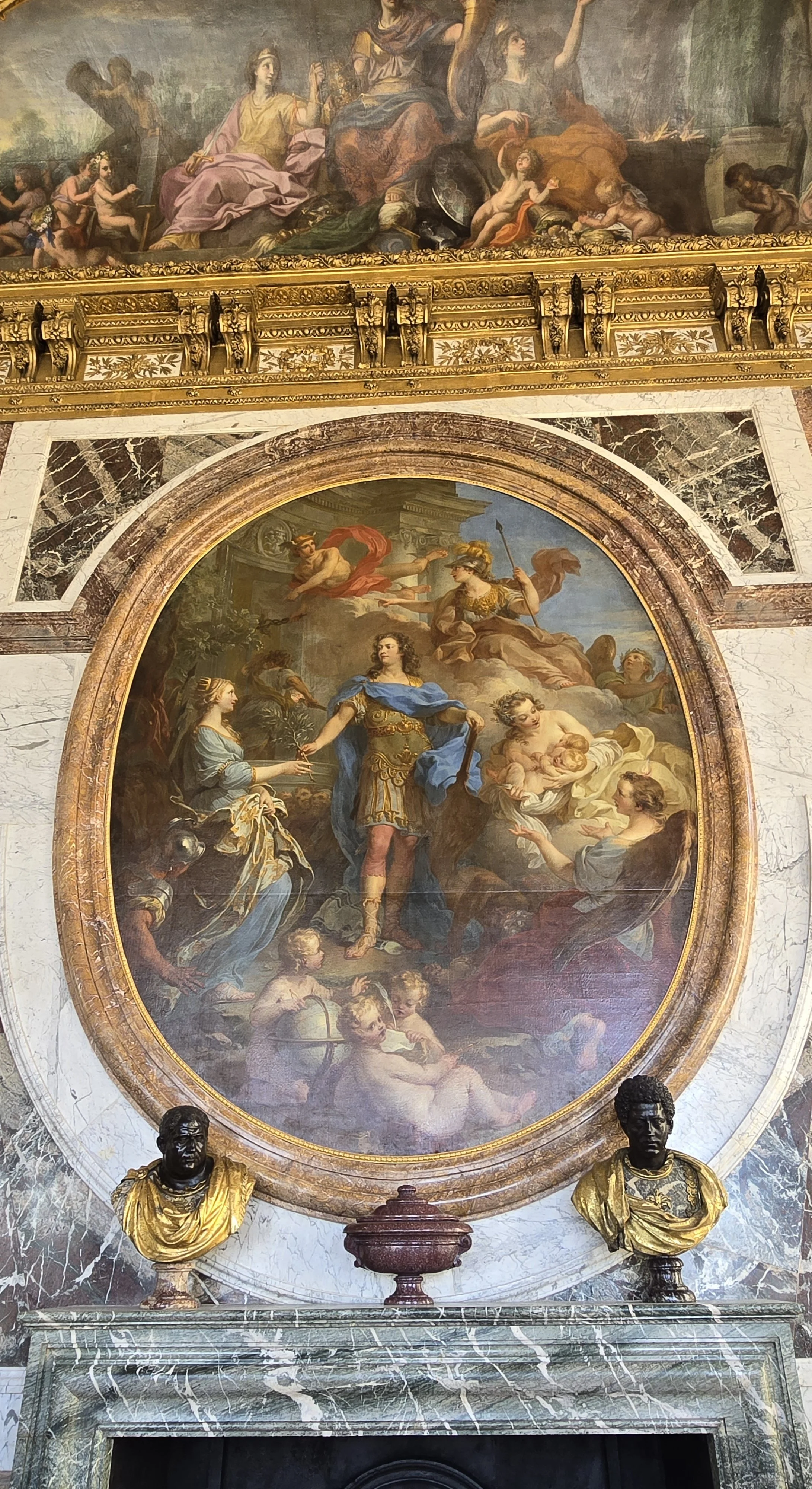
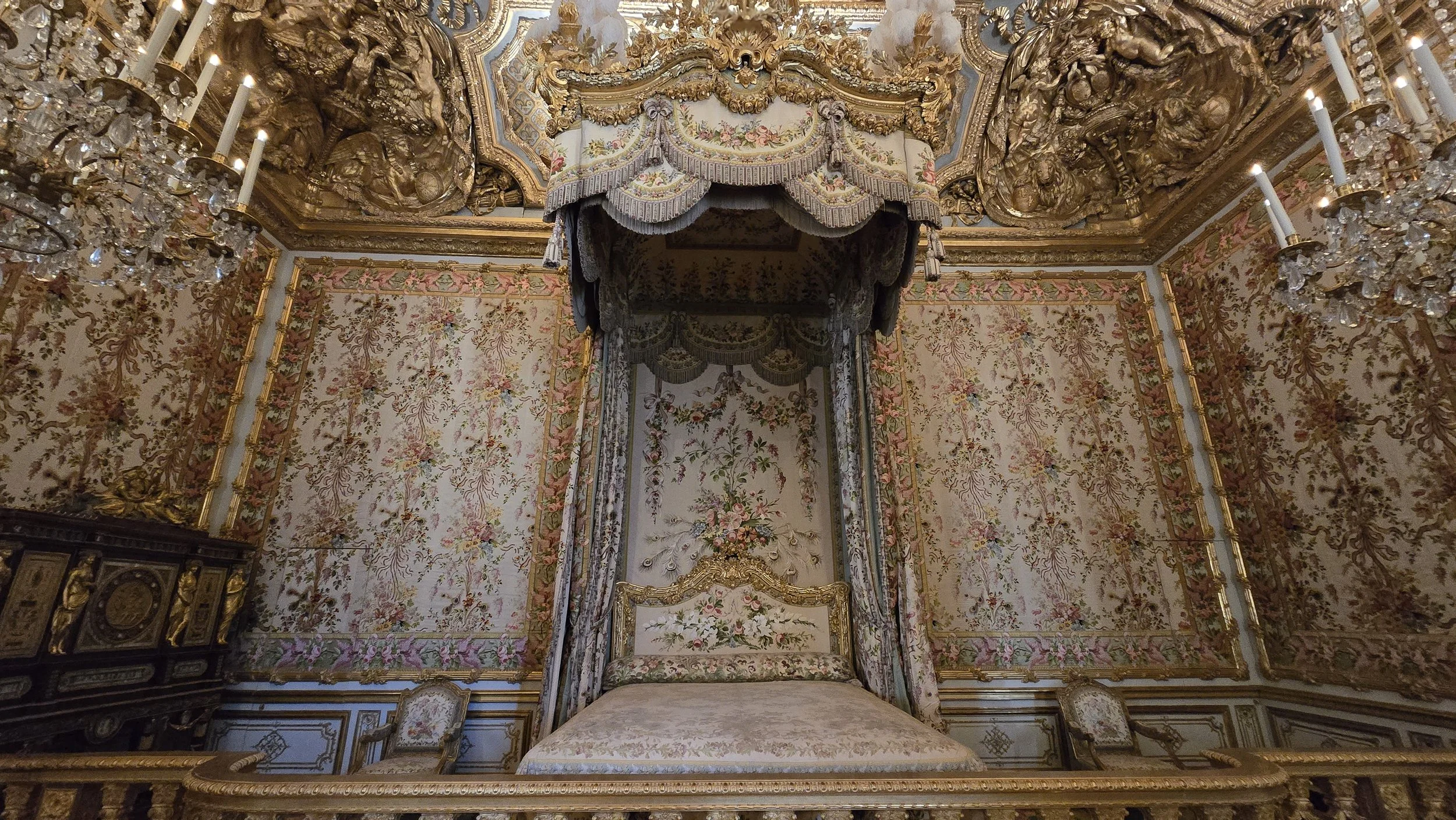
My friend was wondering how do the foreigner tourists feel when they visit the château…
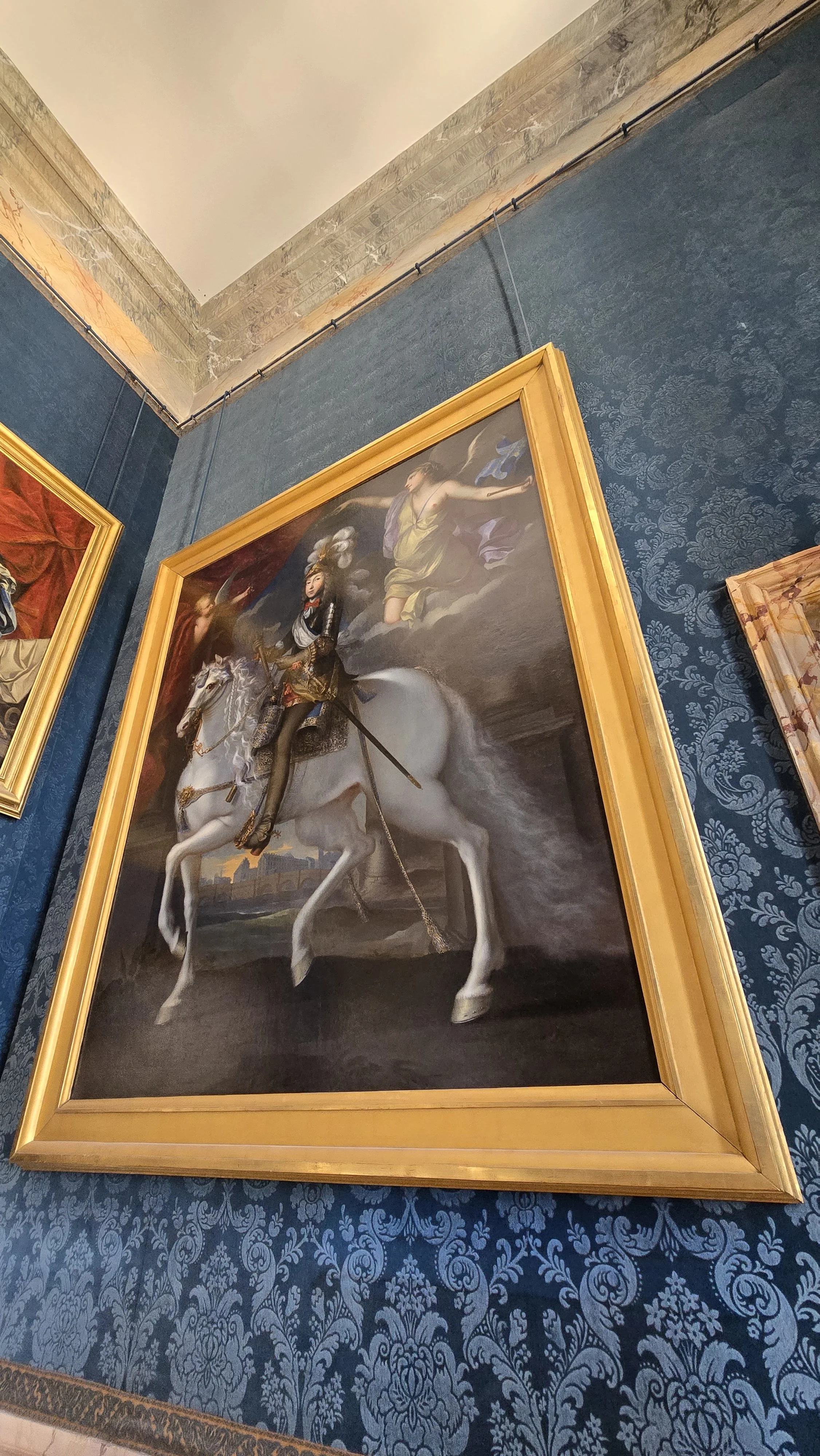
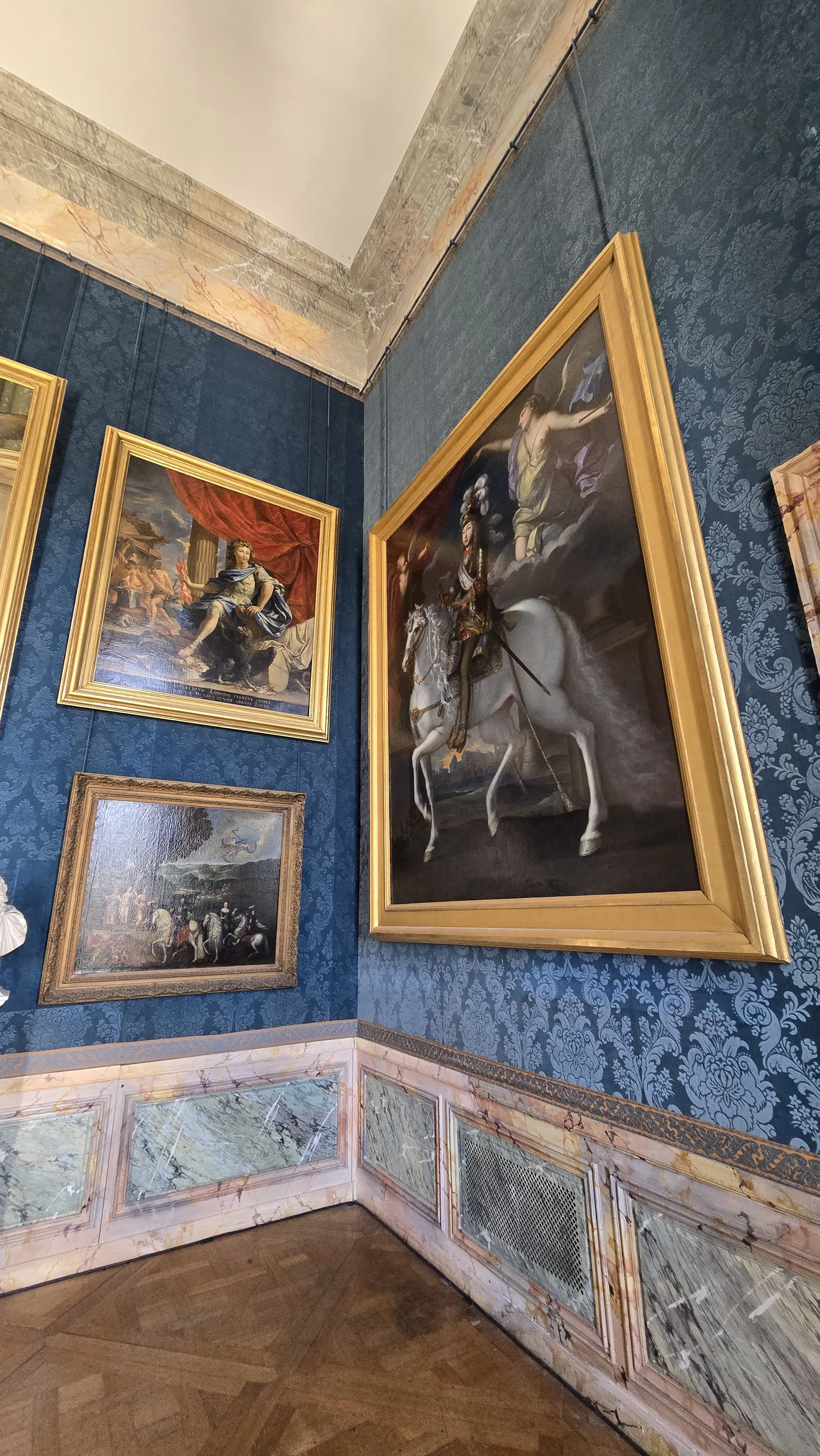
Is there a place you’d love to revisit as an adult?
Aight, I’m out!